
Top 10 Senior Activities in Quebec. Finding enjoyable, accessible, and meaningful activities is an important part of maintaining a fulfilling retirement lifestyle. For Quebec seniors searching for the Top 10 Senior Activities in the province, Quebec offers an exceptional combination of outdoor recreation, cultural experiences, community programs, lifelong learning, volunteering opportunities, and social activities. From Montréal and Québec City to smaller communities across the province, older adults can find activities that match different interests, mobility levels, schedules, and lifestyles. The Gouvernement du Québec recognizes active, inclusive, and positive aging as an important part of senior well-being, emphasizing community participation, healthy lifestyles, and environments where older adults can remain engaged according to their choices, needs, and abilities.
Physical activity is particularly important for older adults. Quebec provides information about programs designed specifically for seniors, including Viactive and the Integrated Dynamic Balance Program, commonly known as PIED. Government guidance also encourages seniors to incorporate movement into everyday life through activities such as walking, dancing, swimming, yoga, and recreational sports.
Quebec seniors can also enjoy the province’s remarkable natural environment. The Gouvernement du Québec highlights opportunities to explore parks, trails, waterways, and outdoor spaces throughout the province. Outdoor activities can provide fresh air, relaxation, movement, and opportunities to discover different regions.
Community involvement is another important part of senior life. The province provides resources related to volunteering and community participation, while municipalities and community organizations offer programs designed to encourage social connection and active aging.
For seniors, the ideal activity is not necessarily the most physically demanding option. A meaningful activity may be a morning walk, a library visit, a cultural event, a creative workshop, a volunteer opportunity, or a regular gathering with friends. The most important consideration is whether the activity brings enjoyment, connection, purpose, and a comfortable sense of participation.
This guide explores the first five activities in the Top 10 Senior Activities in Quebec and explains how they can help older adults remain active, socially connected, curious, and engaged in community life.

Why Senior Activities Matter Across Quebec
Retirement can create more freedom, but it can also change a person’s daily routine.
A senior who previously spent most weekdays at work may suddenly have significantly more free time.
An older adult who moves to a new community may need to establish new friendships.
Someone who experiences changes in mobility may need to find alternatives to activities they previously enjoyed.
These changes can be challenging, but they can also create opportunities.
Quebec has a broad network of municipalities, community organizations, recreation facilities, libraries, cultural institutions, parks, and volunteer organizations.
The province’s approach to active aging emphasizes allowing older adults to remain involved according to their preferences and abilities.
This means senior activities do not have to look the same for everyone.
One person may enjoy swimming.
Another may prefer reading.
Someone else may want to volunteer.
A senior who enjoys meeting people may join a community group.
Someone who prefers quiet activities may choose photography, gardening, or art.
The goal is to create a routine that feels meaningful.
1. Participate in Senior-Friendly Physical Activities
Physical activity is one of the most valuable ways for Quebec seniors to remain engaged with everyday life.
Movement can take many forms.
It does not have to involve intense exercise or a traditional gym.
Walking, swimming, dancing, yoga, gentle stretching, balance exercises, recreational sports, and other forms of movement can become part of a senior’s weekly routine.
The Gouvernement du Québec specifically provides information about physical activity programs for older adults, including Viactive and PIED. Government guidance notes that physical activity can help reduce the risk of falls, support physical and mental well-being, and contribute to maintaining independence.
Walking Programs
Walking is one of the easiest activities for seniors to incorporate into everyday life.
A senior can walk around the neighbourhood, visit a nearby park, meet a friend, or participate in an organized walking group.
Walking with another person can make the activity more enjoyable.
A short walk can become an opportunity for conversation.
A longer walk can become an outdoor adventure.
The distance should be appropriate for the individual’s abilities.
The objective is not necessarily to walk as far as possible.
The objective is to make movement a regular and enjoyable part of the week.
Tai Chi and Gentle Movement
Tai Chi can be an appealing choice for seniors who prefer controlled and slower movements.
The activity can combine physical movement with concentration and body awareness.
Group classes also create opportunities for social interaction.
Seniors who attend regularly may become familiar with instructors and other participants.
This can transform an exercise class into a community activity.
Yoga for Older Adults
Yoga can also be adapted for seniors.
Some programs emphasize gentle stretching, breathing, flexibility, balance, and relaxation.
Chair-based variations can provide another option for people who have difficulty standing for extended periods.
The appropriate level depends on the individual.
Seniors with specific physical limitations should select suitable programs and obtain professional advice when necessary before starting a new physical activity.
Swimming and Aquatic Activities
Swimming and water-based recreation can provide another option for seniors who enjoy aquatic environments.
Water activities can add variety to a weekly routine.
Some seniors may prefer swimming independently.
Others may enjoy structured aquatic classes.
Aquatic facilities throughout Quebec offer different types of programming, although schedules and availability vary by municipality.
Recreational Sports
Some seniors enjoy recreational sports such as pickleball.
The Gouvernement du Québec specifically includes pickleball among examples of activities older adults can incorporate into their lives.
Other recreational activities may include badminton, tennis, or other modified sports depending on the community and facility.
The emphasis should be on enjoyment and appropriate participation rather than competition.
Why Consistency Matters
A senior does not need to exercise intensely every day to create an active routine.
Consistency is often more practical.
For example, an older adult might attend one organized class each week and combine it with short walks on several other days.
Another senior may prefer swimming twice a week.
Someone else may choose daily gentle movement at home.
The best routine is the one that can be maintained comfortably.
2. Explore Quebec’s Parks, Trails, and Outdoor Spaces
Quebec is known for its extensive natural landscapes.
For seniors who enjoy nature, the province provides many opportunities to explore parks, trails, lakes, rivers, forests, gardens, and other outdoor environments.
The Gouvernement du Québec encourages residents to spend time outdoors and highlights the benefits of visiting parks, trails, and waterways.
Outdoor recreation can be adapted to different energy levels.
A senior does not necessarily need to complete a long hiking trail.
A short walk through a local park can be enough.
Walking in Nature
Nature walks can combine gentle movement with relaxation.
A senior may enjoy observing trees, birds, flowers, water, and seasonal changes.
The activity can be performed alone, with a friend, or with family.
A companion can make the experience more social.
For seniors who prefer not to walk alone, having someone accompany them can provide additional comfort.
Photography in Quebec’s Outdoors
Photography can turn a simple walk into a creative activity.
Seniors can photograph:
Landscapes
Flowers
Birds
Architecture
Waterways
Sunsets
Seasonal scenery
Local communities
Family moments
A smartphone can be enough to begin.
There is no requirement to own professional photography equipment.
The purpose is to observe the surroundings and enjoy the process.
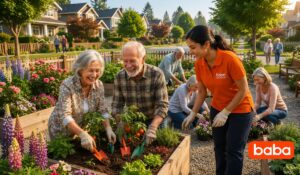
Gardening
Gardening can also become an enjoyable outdoor hobby.
Seniors can grow flowers, herbs, vegetables, or decorative plants.
Those with limited outdoor space can use containers.
Community gardens can provide additional opportunities to meet neighbours and participate in shared projects.
Gardening can combine physical activity, creativity, nature, and a sense of accomplishment.
Picnics and Family Outings
A park visit does not need to involve exercise.
Seniors can enjoy a picnic with family.
Grandparents can spend time with grandchildren.
Friends can meet outdoors for conversation.
A senior may simply bring a book and sit in a peaceful environment.
These activities can provide a change of scenery without requiring a complicated itinerary.
Seasonal Activities
Quebec’s seasons create different recreational possibilities.
Summer may be ideal for walking, gardening, picnics, and outdoor cultural events.
Autumn can provide beautiful scenery for photography and gentle walks.
Winter may offer opportunities for appropriate snow-related activities, although seniors should take additional care with slippery conditions.
Spring provides opportunities to return to parks and gardens as outdoor spaces become active again.
The key is to select activities according to weather, mobility, and comfort.
Safety and Comfort Outdoors
Outdoor activities should be planned realistically.
Seniors can consider:
Weather conditions
Footwear
Walking surfaces
Rest areas
Hydration
Sun protection
Transportation
Accessible washrooms
Distance from home
A shorter, comfortable outing can be more enjoyable than a longer activity that causes excessive fatigue.
3. Visit Libraries and Participate in Lifelong Learning
Libraries can be excellent community destinations for seniors.
They provide opportunities to read, learn, explore technology, attend programs, meet people, and discover new subjects.
For older adults, a library visit can become part of a regular weekly routine.
Reading for Pleasure
Reading can be one of the most flexible senior activities.
A senior can choose books according to personal interests.
Popular choices may include:
Historical novels
Biographies
Travel books
Mysteries
Poetry
Cooking books
Gardening guides
Canadian history
Art books
Magazines
Newspapers
There is no pressure to finish a certain number of books.
The purpose is enjoyment.
Book Clubs
Book clubs combine reading with social interaction.
Participants can read a selected book and then meet to discuss it.
The discussion may cover characters, historical context, personal reactions, or different interpretations.
For seniors who want to meet new people, a book club can provide a natural conversation environment.
Everyone arrives with something to discuss.
Learning Technology
Technology has become an increasingly important part of daily life.
Seniors may want to learn how to use:
Smartphones
Tablets
Computers
Video calls
Digital photography
Online services
Social platforms
Learning these skills can help older adults communicate with family and access information more independently.
A senior whose children or grandchildren live in another province or country may particularly benefit from learning video communication.
Learning About Local History
Libraries can also be useful for exploring Quebec’s history.
Seniors may investigate local communities, historical events, genealogy, architecture, or family history.
Genealogy can become an especially meaningful hobby.
An older adult may research parents, grandparents, great-grandparents, and earlier generations.
This can create an opportunity to preserve family stories for children and grandchildren.
Educational Workshops
Libraries and community organizations may offer workshops covering different subjects.
Depending on location and schedule, programs can involve literature, history, technology, arts, culture, or practical skills.
Seniors should check their local library or municipality for current programs because availability varies by region.

4. Discover Arts, Culture, and Heritage
Quebec has a rich cultural identity.
For seniors who enjoy art, history, music, architecture, food, and heritage, cultural activities can provide meaningful ways to remain connected with the community.
Cultural activities can also provide intellectual stimulation without requiring strenuous physical effort.
Museums
Museums can be excellent destinations for seniors.
A museum visit allows an older adult to explore exhibitions at a comfortable pace.
There is no requirement to see everything.
A senior can focus on one exhibition, sit down when needed, and take breaks.
Museums throughout Quebec cover many subjects.
These may include:
Art
History
Science
Heritage
Architecture
Photography
Indigenous cultures
Local communities
Natural history
The choice can be based on personal interest.
Art Galleries
Art galleries can provide a quieter cultural experience.
Seniors can explore paintings, sculptures, photography, installations, and other forms of creative expression.
An art outing can also become a social activity.
Friends can visit together and discuss their favourite works.
Family members can take parents or grandparents.
Music and Performing Arts
Music can be deeply meaningful for older adults.
Seniors may enjoy concerts, choirs, theatre, dance performances, local performances, and cultural celebrations.
Music can create emotional connections with memories and experiences.
Attending a performance with a friend or family member can make the event even more enjoyable.
Heritage Exploration
Quebec’s historic communities provide many opportunities to learn about architecture, traditions, and local history.
A senior can explore a historic neighbourhood, visit a heritage site, attend a guided tour, or participate in a local cultural event.
The activity does not have to involve extensive walking.
A shorter visit can still be meaningful.
Cultural Festivals
Cultural festivals can provide opportunities to experience music, food, dance, crafts, and traditions.
For seniors who enjoy social environments, these events can be particularly attractive.
They can attend with friends or family.
A festival can also provide an opportunity to learn about cultures represented within the local community.
5. Join Community Recreation and Senior Programs
Community programs can be one of the best ways for Quebec seniors to establish regular social connections.
Municipalities across the province provide recreation and community programming, although specific activities vary by location.
The City of Québec, for example, maintains a dedicated seniors’ section and promotes active participation through its Municipalité amie des aînés approach. The city also maintains recreation programming and a directory of partner organizations offering sports and leisure activities.
The City of Québec also supports organizations working to improve seniors’ quality of life, social participation, and intergenerational relationships.
This type of municipal structure demonstrates how community programming can support active aging.
Seniors’ Clubs
A seniors’ club can provide a familiar environment for social interaction.
Members may participate in:
Card games
Bingo
Social gatherings
Exercise
Dance
Cultural activities
Educational programs
Community celebrations
The specific offerings depend on the organization.
For a senior who feels isolated, a regular club meeting can become an important part of the weekly routine.
Community Recreation Centres
Community centres can provide several activities under one roof.
Depending on the municipality, seniors may find:
Fitness classes
Dance programs
Swimming
Arts and crafts
Games
Meeting rooms
Cultural activities
Social gatherings
This variety makes community centres useful for people who want to try different hobbies.
Games and Social Activities
Cards, bingo, board games, puzzles, and other social games can provide mental stimulation while creating opportunities for conversation.
These activities are often inexpensive and easy to organize.
A senior who enjoys strategy can choose a more challenging game.
Someone who prefers casual social interaction may choose bingo or cards.
The activity can be adapted to the group’s preferences.
Intergenerational Programs
Intergenerational activities can bring older adults together with younger people.
The City of Québec identifies intergenerational relationships as one of the areas supported through its programs for seniors.
These programs can help different generations learn from one another.
Older adults can share life experiences, traditional skills, family stories, and professional knowledge.
Younger participants can introduce seniors to technology, contemporary culture, and new perspectives.
Community Events for Seniors
Municipalities may organize events specifically for older adults.
The City of Québec, for example, maintains senior-focused events including the Salon FADOQ, the Sommet des aînés, International Day of Older Persons activities, and intergenerational initiatives.
These events provide additional opportunities to learn, meet people, and participate in discussions about senior life.
Building a Regular Routine
One of the biggest advantages of community programs is consistency.
An occasional event can be enjoyable.
A weekly activity can become part of a senior’s lifestyle.
For example, an older adult might attend a community exercise class every Monday.
On Wednesday, they might visit the library.
On Friday, they might meet friends for a card game.
This creates structure without making the schedule overwhelming.

Choosing Activities That Match Individual Abilities
Not every activity is appropriate for every senior.
An older adult should consider:
Mobility
Energy level
Interests
Transportation
Accessibility
Schedule
Cost
Social preferences
A senior who enjoys physical activity may want recreational sports.
Someone with limited mobility may prefer reading, art, music, or seated activities.
An outgoing person may enjoy large group events.
A quieter person may prefer a small book club.
The best activity is the one that fits the person.
Transportation and Access to Activities
Transportation can sometimes determine whether a senior can participate in community life.
A senior may want to attend a community centre but no longer feel comfortable driving.
Another person may prefer not to drive during winter conditions.
Someone with reduced mobility may need assistance getting from a vehicle to a building.
Quebec provides information for seniors about transportation and other support services through its provincial programs and services resources.
Families can also help by providing rides when possible.
Community organizations may provide transportation assistance depending on location.
Specialized senior transportation can be another option for older adults who need additional support.
Reliable transportation can help seniors access:
Recreation programs
Libraries
Museums
Medical appointments
Community events
Senior clubs
Shopping
Family gatherings
Volunteer opportunities
Transportation is therefore closely connected to independence.
Creating a Balanced Weekly Schedule
The first five activities in the Top 10 Senior Activities in Quebec can be combined into a simple weekly routine.
For example:
Monday: Gentle physical activity
Tuesday: Library or reading
Wednesday: Outdoor walk
Thursday: Cultural activity
Friday: Senior club
Saturday: Family outing
Sunday: Rest and personal hobbies
This is only an example.
Some seniors may prefer fewer scheduled activities.
Others may enjoy participating almost every day.
The schedule should be based on the individual’s energy, interests, and comfort.
6. Volunteer and Give Back to the Community
Volunteering is one of the most meaningful activities available to Quebec seniors. Retirement can provide more flexibility, allowing older adults to dedicate time to organizations, community projects, cultural institutions, charities, and causes that matter to them.
Volunteering is not simply about helping others. It can also provide structure, social interaction, purpose, and opportunities to use skills developed over many years.
A retired teacher may enjoy helping children with reading.
A former office professional may assist with administrative work.
Someone who enjoys cooking may contribute to community meals.
A senior who loves animals may look for opportunities involving animal welfare.
Another person may prefer helping at cultural or community events.
The possibilities are broad.
Why Volunteering Can Be Meaningful for Seniors
Many older adults have accumulated valuable knowledge throughout their careers and personal lives.
Retirement does not mean those skills are no longer useful.
Volunteering gives seniors an opportunity to continue contributing.
It can also provide a reason to maintain a regular weekly schedule.
For example, a senior might volunteer every Tuesday morning.
That commitment creates structure.
The senior knows that other people are expecting them.
This sense of responsibility can make the week feel more purposeful.
Social Connection Through Volunteering
Volunteering can also help seniors meet people.
A volunteer may work alongside people from different generations and backgrounds.
Repeated participation can lead to familiar relationships.
A person who initially joins an organization to help may eventually develop friendships with other volunteers.
This can be particularly valuable for older adults who spend a significant amount of time alone.
Flexible Volunteer Opportunities
Seniors do not necessarily need to volunteer several days a week.
Some people may prefer occasional events.
Others may want a regular commitment.
A senior can begin with a small number of hours and increase participation if the experience is enjoyable.
The right arrangement should consider energy, transportation, mobility, and personal interests.
Volunteering and Intergenerational Connection
Many volunteer opportunities allow seniors to interact with younger generations.
Older adults can share stories, practical knowledge, professional experience, cultural traditions, and life lessons.
Younger participants can also help seniors learn about new technology and contemporary communication.
This exchange can benefit both generations.
7. Enjoy Creative Arts, Crafts, Music, and Hobbies
Creative hobbies can become an important part of retirement.
For Quebec seniors, creative activities provide an opportunity to learn, experiment, relax, and express individuality.
Possible activities include painting, drawing, knitting, embroidery, photography, pottery, woodworking, writing, music, singing, and crafts.
The senior does not need to be an experienced artist.
The activity can simply be something enjoyable.
Painting and Drawing
Painting can provide a relaxing way to spend an afternoon.
A senior can paint landscapes, flowers, family portraits, abstract designs, or scenes inspired by Quebec communities.
Drawing offers another flexible option.
It requires relatively little equipment and can be practiced at home or in a community class.
Group art classes can also provide social interaction.
Participants can discuss their work and encourage each other.
Knitting and Textile Crafts
Knitting, embroidery, sewing, quilting, and other textile activities can combine creativity with concentration.
Some seniors already have experience with these traditional hobbies.
Others may want to learn them for the first time.
A senior can make scarves, blankets, decorations, clothing, or gifts for family members.
These projects can become meaningful because they involve time, creativity, and personal effort.
Photography
Photography can encourage seniors to observe their surroundings more closely.
A simple walk through a neighbourhood can become a photography outing.
Seniors can photograph:
Quebec landscapes
Historic buildings
Flowers
Wildlife
Family gatherings
Seasonal scenery
Local markets
Festivals
Sunsets
Architecture
Photography can also encourage outdoor activity.
A person who normally takes a short walk may become more interested in exploring when looking for interesting images.
Music and Singing
Music can play an important role in emotional well-being and social connection.
Seniors may enjoy singing in a choir, learning an instrument, listening to concerts, or participating in community music programs.
A choir can be particularly appealing because it combines music and group participation.
The experience can create friendships while providing an enjoyable creative outlet.
Writing Family Stories
Retirement can be a wonderful time to record personal memories.
Seniors can write about childhood, family traditions, immigration experiences, careers, travels, friendships, and important life events.
These stories can become valuable family documents.
Children and grandchildren may appreciate reading about experiences they never had the opportunity to hear directly.
A senior does not need to write a formal autobiography.
Short stories and memories are enough.
8. Enjoy Social Gatherings, Games, and Senior Clubs
Social activities are an important part of a healthy and fulfilling retirement lifestyle.
Quebec seniors can participate in community gatherings, senior clubs, card games, board games, discussion groups, coffee meetings, dances, and recreational events.
These activities provide something that many people need after retirement: regular opportunities to interact with others.
Card Games
Card games are simple, affordable, and adaptable.
Seniors can play traditional games with friends or learn new ones.
The competitive aspect can make the activity exciting.
The social aspect makes it enjoyable even when nobody is focused on winning.
A regular card group can become a weekly tradition.
Board Games
Board games can provide mental stimulation and social interaction.
Strategy games encourage participants to think ahead.
Word games can encourage language skills.
Memory games can provide another type of mental challenge.
Simple games can be particularly suitable for casual gatherings.
The objective is not necessarily to find the most difficult game.
It is to find something that everyone enjoys.
Bingo and Community Games
Bingo can be another popular social activity.
Community organizations and senior groups may organize bingo events as part of their regular programming.
The activity is easy to understand and provides a social environment.
Seniors can meet friends while enjoying a little friendly competition.
Coffee and Conversation
Sometimes the simplest activity is the most valuable.
A group of seniors can meet at a café, community centre, library, or other comfortable location.
There does not need to be a formal program.
Conversation itself can be the activity.
Seniors can discuss:
Family
Travel
Books
Local events
Food
Gardening
Sports
Movies
Music
Community news
Regular coffee gatherings can create a sense of routine.
Senior Clubs
Senior clubs can provide several activities in one organization.
A club may offer social gatherings, exercise, games, educational sessions, dances, cultural activities, or special events.
This makes clubs useful for seniors who want to explore different interests.
Someone may join because of the social aspect and later discover a new hobby.
Why Regular Participation Matters
Attending an event once can be enjoyable.
Attending regularly can be more meaningful.
Repeated participation allows seniors to recognize people.
Names become familiar.
Conversations become easier.
Friendships can develop naturally.
For this reason, seniors looking for greater social connection may benefit from choosing at least one recurring activity.

9. Participate in Family and Intergenerational Activities
Family activities can be among the most meaningful experiences in a senior’s life.
Grandparents, parents, children, and grandchildren can share experiences that strengthen family relationships.
The activity does not have to be expensive.
In many cases, simple activities provide the best memories.
Visiting Parks With Grandchildren
A family park outing can combine movement and social interaction.
Grandparents can walk with grandchildren, watch them play, enjoy a picnic, or simply spend time outdoors.
The senior does not need to participate in physically demanding activities.
Being present and engaged can be enough.
Cooking Together
Cooking is another excellent intergenerational activity.
A grandparent can teach a traditional family recipe.
Children can help prepare ingredients.
Everyone can sit together afterward and enjoy the meal.
Food can also preserve cultural traditions.
Quebec families with diverse cultural backgrounds may have recipes that have been passed through several generations.
Teaching these recipes can help preserve family identity.
Visiting Museums
Museums provide opportunities for seniors and younger family members to learn together.
A grandparent can share personal memories connected with a historical period.
A child may ask questions.
The family can discuss an exhibition afterward.
This turns a museum visit into a shared learning experience.
Reading With Grandchildren
Reading together can create a quiet and meaningful routine.
Grandparents can read picture books to younger children.
Older grandchildren can choose books to discuss with their grandparents.
The activity can take place at home or in a library.
Teaching Traditional Skills
Seniors often possess practical skills that younger generations may not have learned.
These could include:
Gardening
Sewing
Cooking
Woodworking
Fishing
Photography
Music
Crafts
Family traditions
Sharing these skills can create valuable intergenerational relationships.
Learning From Younger Generations
Intergenerational relationships should work in both directions.
Younger family members can help seniors learn technology.
A grandchild might teach a grandparent how to use a smartphone.
Another might help with video calls.
Someone else might introduce a senior to digital photography.
This exchange creates mutual respect.
10. Explore Day Trips and Regional Travel
Quebec seniors can also make retirement more exciting through short trips.
Travel does not necessarily mean booking a long vacation.
A day trip to another community can provide a refreshing change of scenery.
Seniors can explore nearby towns, cultural destinations, historic areas, parks, markets, gardens, and local attractions.
Day Trips
A day trip can be easier to manage than an overnight vacation.
The senior can leave in the morning and return home the same evening.
Possible destinations depend on where the senior lives.
A person in Montréal may explore nearby communities.
Someone in Québec City can discover other parts of the Capitale-Nationale region.
A senior in the Eastern Townships can explore villages, parks, and cultural destinations.
The important consideration is choosing a destination that is realistic for the individual’s mobility and transportation needs.
Scenic Drives
For seniors who enjoy sightseeing, a scenic drive can be an enjoyable activity.
The focus does not need to be on reaching a particular destination.
The journey itself can be part of the experience.
Family members can plan stops at cafés, viewpoints, historic sites, parks, or restaurants.
Local Markets
Markets can combine food, culture, shopping, and social interaction.
Seniors can explore local produce, baked goods, crafts, flowers, and specialty products.
A market visit can also provide an opportunity to meet local vendors.
Heritage Communities
Quebec’s communities have distinctive histories and architectural traditions.
A short visit to a historic community can provide opportunities for photography, walking, dining, and learning.
Seniors interested in history may particularly enjoy these outings.
Travel With Friends
Group travel can make day trips more enjoyable.
A few friends can plan a shared outing.
They can divide transportation responsibilities and enjoy lunch together.
Social travel can provide both recreation and companionship.
Creating a Balanced Senior Lifestyle in Quebec
The Top 10 Senior Activities in Quebec should not be treated as ten obligations.
They are ideas that can help older adults discover activities that match their interests and lifestyles.
A balanced routine can include different categories.
For example, a senior might choose:
One physical activity
One social activity
One creative hobby
One cultural outing
One family activity
One outdoor activity
This combination provides variety.
It also prevents the week from becoming repetitive.
A Sample Weekly Routine
Monday could be a gentle exercise class.
Tuesday could be a quiet afternoon devoted to reading or crafts.
Wednesday could include a walk with a friend.
Thursday could be a community club meeting.
Friday could be a museum or cultural outing.
Saturday could be family time.
Sunday could be reserved for rest.
This is only an example.
Every senior should create a schedule that matches personal preferences and abilities.
Choosing Activities According to Mobility
Mobility is an important consideration when selecting activities.
Some seniors can comfortably participate in walking groups and recreational sports.
Others may prefer seated activities, museums, libraries, crafts, music, or social gatherings.
Activities can often be modified.
A person who cannot walk long distances may still enjoy a park through a short accessible route.
A senior who cannot participate in standing dance may be able to enjoy seated movement.
Someone who cannot travel independently may participate in activities closer to home or arrange appropriate transportation.
The goal is inclusion.
Choosing Activities According to Personality
Personality should also influence activity selection.
An outgoing senior may enjoy:
Senior clubs
Volunteer work
Group fitness
Community events
Dance
Large cultural gatherings
A more introverted senior may prefer:
Reading
Photography
Gardening
Painting
Writing
Museums
Small discussion groups
There is no single correct retirement lifestyle.
The best activity is one that feels comfortable and enjoyable.
Transportation and Accessibility
Transportation can determine whether seniors are able to participate consistently.
Before registering for an activity, families can consider:
How far is the location?
Is public transportation available?
Is there convenient parking?
Is the entrance accessible?
Are there elevators?
Are restrooms nearby?
Is seating available?
How long will the outing take?
Does the senior need assistance?
Planning these details in advance can make activities much more comfortable.
For seniors who no longer drive, family transportation, community transportation programs, public transit, or specialized senior transportation services may provide additional options depending on location and eligibility.
Transportation is closely connected to independence because the ability to reach community spaces allows seniors to continue participating in everyday life.
Affordable Senior Activities in Quebec
Cost can sometimes become a barrier to participation.
Fortunately, many activities can be inexpensive or free.
Examples include:
Walking
Reading
Visiting public libraries
Spending time in parks
Photography
Family gatherings
Home gardening
Community volunteering
Board games
Some community events
Some municipal programs
Seniors can also check their municipality, local community centre, library, and provincial resources for available programs and financial assistance.
The cost of an activity should not automatically determine whether a senior can participate.
There may be lower-cost alternatives.
How Families Can Encourage Seniors to Stay Active
Families can play an important role in helping older adults discover activities.
However, encouragement should not become pressure.
Start with the senior’s interests.
Ask what they enjoyed before retirement.
Ask what they would like to learn.
Ask whether they prefer individual or group activities.
Ask what transportation challenges they have.
Then help identify realistic options.
Try One Activity First
There is no need to register for several programs immediately.
One activity can be a good starting point.
If the senior enjoys it, they can continue.
If they do not, another option can be explored.
This approach makes participation feel less overwhelming.
Participate Together
Family members can attend the first activity with a senior.
This can make the experience more comfortable.
After the senior becomes familiar with the environment, they may feel confident attending independently.
The Role of Community in Senior Well-Being
A strong community can make a significant difference in the experience of aging.
When seniors have opportunities to participate, they can remain connected to people and places around them.
Community activities provide more than entertainment.
They can provide:
Friendship
Purpose
Learning
Movement
Creativity
Routine
Confidence
Intergenerational connection
A sense of belonging
This is why senior programming is an important part of communities throughout Quebec.
Municipal initiatives such as the Municipalité amie des aînés approach also recognize the importance of creating environments where older adults can participate and remain connected to community life. (quebec.ca)
Frequently Asked Questions About Senior Activities in Quebec
What are the best activities for seniors in Quebec?
Popular choices include walking, swimming, gentle exercise, libraries, museums, creative hobbies, volunteering, social clubs, family activities, cultural events, and day trips.
Are there activities for seniors with limited mobility?
Yes. Seniors can consider chair-based movement, reading, crafts, museums, libraries, music, games, community gatherings, and other activities that can be adapted to individual abilities.
Can seniors find free activities?
Many activities, such as walking, reading, visiting certain public spaces, volunteering, and spending time with family, can be free. Some municipal and community programs may also offer free or reduced-cost participation.
What are good activities for seniors who live alone?
Social clubs, volunteering, library programs, book groups, community activities, gentle exercise classes, and regular family gatherings can provide opportunities for connection.
What can seniors do during winter?
Indoor activities can include libraries, museums, crafts, games, music, community programs, exercise classes, volunteering, cooking, and social gatherings.
How can seniors make new friends?
Regular participation is one of the most effective approaches. Attending the same class, club, volunteer program, or community event regularly allows relationships to develop naturally.
Are outdoor activities suitable for older adults?
Many outdoor activities can be suitable when they match the senior’s abilities and weather conditions. Walking, gardening, photography, picnics, and short nature outings are examples.
How can grandparents spend time with grandchildren?
Grandparents can cook, read, visit museums, play games, walk in parks, garden, make crafts, attend cultural events, and share family traditions with grandchildren.
Practical Tips for Creating an Enjoyable Routine
When selecting activities, Quebec seniors and their families can consider several factors.
Choose Enjoyment Over Obligation
An activity should provide pleasure.
If a senior dislikes an activity, there is little reason to continue simply because it is considered popular.
Start Small
One weekly activity can be enough.
A senior can gradually add additional activities after establishing a comfortable routine.
Combine Different Activities
A balanced week can include movement, social interaction, creativity, learning, and relaxation.
Consider Transportation
Transportation should be planned before registration.
A convenient activity that is easy to reach may be more sustainable than a program that requires complicated travel.
Review the Routine Regularly
Interests and abilities can change.
A senior may discover that an activity is no longer enjoyable.
That is normal.
The routine can be adjusted.
Final Conclusion
The Top 10 Senior Activities in Quebec demonstrate that retirement can be an opportunity for discovery, connection, creativity, learning, and meaningful participation.
Older adults can stay active through walking, swimming, gentle exercise, yoga, dance, and recreational sports.
They can explore Quebec’s parks and natural environments.
They can continue learning through libraries, educational programs, reading groups, and technology workshops.
They can discover art, history, music, heritage, and cultural events.
They can participate in community recreation programs and senior clubs.
Volunteering can provide purpose while allowing seniors to contribute valuable knowledge and experience.
Creative hobbies can encourage self-expression and provide relaxing routines.
Social clubs, games, and community gatherings can help reduce isolation and create friendships.
Family and intergenerational activities can strengthen relationships between grandparents, children, and grandchildren.
Finally, day trips and regional travel can give seniors opportunities to explore more of Quebec and enjoy new experiences.
The most important thing is not how many activities a senior completes.
It is whether those activities contribute positively to everyday life.
A meaningful retirement may involve a simple morning walk, a weekly library visit, an afternoon painting, a conversation with friends, a volunteer shift, or a family dinner.
Small routines can create significant benefits over time.
For Quebec seniors, there are many ways to remain engaged without creating an overwhelming schedule.
The best approach is to choose activities that reflect individual interests, abilities, transportation options, and personal goals.
Families can support older adults by helping with transportation, discovering programs, attending activities together, and respecting the senior’s preferences.
Community organizations, municipalities, libraries, recreation centres, cultural institutions, and volunteer organizations can also provide valuable opportunities.
With the right combination of activities, seniors across Quebec can continue building friendships, learning new skills, staying connected to their communities, and enjoying meaningful experiences.
A fulfilling retirement is not about staying busy every minute.
It is about having reasons to look forward to the next day.
For some seniors, that reason may be a walking group.
For others, it may be a painting class, a book club, a museum visit, a volunteer opportunity, a family outing, or a coffee with friends.
Quebec provides a diverse environment where older adults can discover those opportunities.
The first step is simply to choose one activity that feels interesting and give it a try.
Bài viết liên quan: