
Home Care in Kelowna: What Services Are Available for Seniors? For many older adults and families in Kelowna, finding the right support at home can begin with a simple search for “home care for seniors,” “senior care in home,” or “home care in Kelowna.” However, these phrases can describe many different types of assistance, from professional health care and personal support to everyday companionship, transportation, errands, housekeeping, and help with maintaining an independent lifestyle. In Kelowna, British Columbia, organizations such as Interior Health provide publicly funded home and community care services designed to help eligible seniors remain safely at home, while the Kelowna Seniors Health & Wellness Centre provides specialized geriatric services through an interdisciplinary team. The broader Kelowna senior care landscape also includes retirement residences, assisted living communities, long term care homes, private home support providers, community organizations, and non medical companion services. For families searching for Home Care for Senior Services, understanding the difference between these options is important because not every senior needs medical care or personal care. Sometimes the real need is much simpler: a trusted person to drive a senior to a grocery store, accompany them to an appointment, help with light household tasks, pick up groceries, prepare a simple meal, or provide friendly company during the day. Interior Health itself notes that community connections can include services such as Meals on Wheels, senior centres, churches, and other organizations, while private pay home support may provide assistance with housekeeping, laundry, meals, or personal care. This means that “home care” should not automatically be understood as nursing or medical treatment. For many Kelowna seniors, practical and social support can be an important part of remaining independent, connected, and comfortable at home. This guide explains the major types of home care available to seniors in Kelowna, what each service can and cannot provide, when companion care may be a better fit, and how families can identify the right level of everyday support without choosing a more intensive care option than necessary.
Understanding Home Care in Kelowna for Seniors
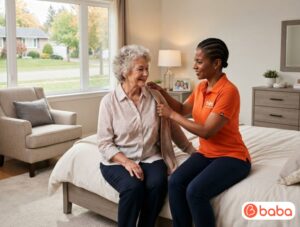
The phrase “home care” can mean different things depending on the needs of the senior and the organization providing the service.
For one family, home care may mean nursing visits, medication assistance, physiotherapy, or help with personal care. For another family, it may mean someone who comes to the home several times a week to help with groceries, transportation, housekeeping, errands, or companionship.
This distinction matters.
A senior may be physically capable of living independently but no longer feel comfortable driving. Another senior may be able to prepare meals but struggle with grocery shopping. Someone else may simply spend too much time alone and benefit from regular social interaction.
These situations do not necessarily require medical care.
They may require practical assistance and companionship.
Interior Health describes home and community care as services intended to help people remain living independently at home. Its services can include community nursing, occupational therapy, physiotherapy, dietitian services, social work, speech language services, respiratory therapy, personal care, medication assistance, special exercises, and in home respite for eligible individuals.
At the same time, seniors can receive support from non medical community providers for everyday needs that fall outside clinical care.
This creates a broader understanding of home care in Kelowna.
A senior does not have to be seriously ill before asking for help.
Sometimes the goal is simply to make everyday life easier.
What Services Are Available for Seniors in Kelowna?
Families searching for senior care at home may encounter several categories of services.
Understanding each category can make the search much easier.
1. Personal Care and Daily Living Assistance
Personal care focuses on activities that directly involve an individual’s personal daily needs.
Depending on the provider and eligibility requirements, services may include assistance with bathing, dressing, grooming, toileting, mobility, or other activities of daily living.
These services are different from general companionship.
A senior who needs help getting dressed after surgery, for example, may need personal support from an appropriately qualified provider.
Families should always ask exactly what a provider is licensed, trained, and insured to do before arranging personal care.
If a senior requires clinical services, the family should also determine whether publicly funded programs through Interior Health may be appropriate.
2. Home Health and Nursing Support
Home health services are designed for seniors who have health related needs that require qualified professionals.
Depending on the person’s situation, this may involve nursing, wound care, rehabilitation, chronic disease support, or other clinical services.
Interior Health provides access to home and community care programs and has a dedicated Seniors Central Line that helps seniors throughout the region find home and community care and chronic disease management programs.
This type of care is important for seniors whose needs go beyond everyday assistance.
However, families should not assume every home visit service is medical.
There is a significant difference between a nurse visiting a senior for clinical care and a companion visiting to provide transportation or social support.
3. Transportation for Seniors
Transportation is one of the most practical forms of support for older adults.
Many seniors remain independent in their homes but gradually reduce or stop driving because of changes in confidence, vision, mobility, traffic conditions, vehicle ownership, or personal preference.
Without transportation, simple activities can become difficult.
A grocery trip may require asking a family member for help.
A medical appointment may become stressful.
A visit to a pharmacy, bank, community centre, hair salon, or social event may be postponed.
A companion service can help address these everyday transportation challenges when the service provider offers transportation.
Examples can include:
- Driving a senior to a medical appointment
- Taking a senior grocery shopping
- Accompanying a senior to a pharmacy
- Providing transportation to community activities
- Helping a senior get to a hair appointment
- Accompanying a senior to lunch with friends
- Supporting transportation for errands
- Helping a senior attend family events
The important point is that transportation support is about maintaining independence.
Instead of depending entirely on relatives, a senior may have another trusted option for getting around the community.

4. Grocery Shopping and Errand Assistance
Grocery shopping can become surprisingly challenging as people age.
The problem is not always physical ability.
A senior may be able to walk through a grocery store but have difficulty carrying bags, organizing transportation, reaching certain products, or completing the trip without feeling exhausted.
Other errands can create similar challenges.
A companion or senior errand service may help with tasks such as:
- Grocery shopping
- Picking up prescriptions when permitted
- Returning or collecting items
- Picking up household supplies
- Visiting local stores
- Mailing packages
- Dropping off documents
- Accompanying seniors while they complete errands
For seniors who want to remain involved in their own decisions, companion assistance can be particularly useful.
The senior can still choose what to buy, where to go, and how to spend their time.
The helper simply makes the process easier.
5. Light Housekeeping
A clean and organized home can make independent living more comfortable.
However, heavy household chores may become increasingly difficult for some older adults.
Non medical home support may include light housekeeping tasks such as:
- Dusting
- Sweeping
- Vacuuming
- Basic tidying
- Changing linens
- Organizing frequently used areas
- Light kitchen cleanup
- Taking out household garbage
- General household assistance
Families should clarify what “housekeeping” means before booking a service because providers can have very different definitions.
A companion service is generally focused on practical everyday assistance rather than specialized cleaning or clinical home care.
6. Meal Preparation and Food Support
Eating well is an important part of maintaining an independent lifestyle.
Yet cooking can become less convenient when a senior lives alone.
A companion may help with simple meal preparation, grocery shopping, kitchen organization, or mealtime companionship, depending on the provider’s services.
For example, a senior may enjoy preparing meals but need someone to shop for ingredients.
Another senior may appreciate having someone present while preparing lunch.
Someone else may simply need assistance organizing food in the kitchen.
The goal is not necessarily to take over.
Good companion support can help seniors continue doing what they are capable of doing while receiving assistance with the parts that have become inconvenient.
7. Companionship for Seniors
Companionship is often overlooked when families think about home care.
However, social connection can be an important part of a senior’s quality of life.
A senior may live independently and still experience loneliness.
Family members may have busy schedules.
Adult children may live in another city.
Friends may have moved away.
A companion can provide regular human interaction through activities such as conversation, reading, games, walks, hobbies, coffee outings, or community activities.
Companion care is not medical treatment.
It is designed to provide practical and social support.
For some families, this distinction is exactly what they need.
They are not looking for a nurse.
They are looking for a reliable person who can spend time with an aging parent and help with everyday activities.

8. Social Outings and Community Activities
Staying connected to the community can become harder when transportation and mobility become challenging.
A companion may help a senior continue participating in activities they already enjoy.
This might include:
- Going for a walk
- Visiting a local café
- Attending a community event
- Visiting friends
- Going to a library
- Attending a senior centre
- Going shopping
- Visiting a park
- Going to a hobby group
- Attending family gatherings
The objective is to help the senior maintain a sense of normal life.
Home support does not always have to mean staying inside the home.
Sometimes the most valuable support is helping a senior get out of the house safely and comfortably.
9. Appointment Assistance
Medical appointments are another area where seniors may need practical support without requiring medical treatment from the companion.
A senior may be capable of attending an appointment but have difficulty arranging transportation.
A companion can potentially help by providing transportation, waiting during an appointment when appropriate, and helping the senior return home.
Families should distinguish between transportation or companionship and medical advocacy or clinical assistance.
If a senior needs medical decision making, clinical monitoring, medication administration, or other professional health services, an appropriately qualified health provider should be involved.
Kelowna has specialized geriatric services through Interior Health, including the Kelowna Seniors Health & Wellness Centre, where interdisciplinary professionals can provide specialized short term care for referred patients.
This is an example of why identifying the actual need is so important.
10. Respite and Family Support
Family caregivers often do a great deal for aging parents.
They may provide transportation, shopping, household assistance, meal preparation, companionship, and appointment support.
Over time, this can become difficult to balance with work, children, and personal responsibilities.
A companion service may provide practical relief for families.
For example, an adult daughter may normally drive her mother to groceries every Saturday.
If a companion can provide that assistance instead, the daughter can still remain involved without having to manage every task personally.
This does not replace family relationships.
It can help make them more sustainable.
Interior Health also identifies in home respite as one component of its home support services for eligible individuals.
Home Care vs Companion Care in Kelowna
One of the most important questions families should ask is:
“Does my senior actually need medical home care?”
Sometimes the answer is yes.
Sometimes the answer is no.
Consider two examples.
Example One: A Senior Who Needs Clinical Care
An older adult has recently returned home from hospital and requires wound care, medication management, rehabilitation, and clinical monitoring.
This situation may require professional health services.
A companion alone would not be an appropriate substitute.
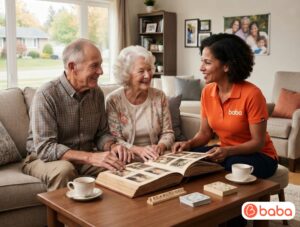
Example Two: A Senior Who Needs Everyday Help
Another senior is healthy enough to live independently but has stopped driving.
They need help getting groceries, attending appointments, doing light household tasks, and having someone to talk with during the week.
This situation may be better suited to companion services.
The senior does not necessarily need medical treatment.
They need practical support.
This distinction can save families time and help them choose an appropriate provider.
Why Seniors Search for “Home Care” Even When They Need Companion Services
The language people use when searching for services does not always match the terminology used by providers.
A family may search:
“home care for seniors in Kelowna”
“senior care at home”
“elder care services”
“home support for seniors”
“caregiver for elderly parent”
“senior companion services”
“help for seniors living alone”
“senior transportation Kelowna”
“senior errand services”
These searches can describe very different needs.
Someone searching for “home care for seniors” may actually be looking for someone who can drive their father to appointments.
Someone searching for “elder care” may simply need weekly grocery assistance.
Another person may want companionship for an aging mother.
This is why families should look beyond the terminology and focus on the actual service.
How baba Tap Fits Into Everyday Senior Support in Kelowna
For seniors who need practical, non medical assistance, baba Tap can be positioned as a companion service rather than a medical home care provider.
The distinction is important.
baba Tap is designed around everyday support that can help seniors continue living independently and participating in their communities.
Depending on the service arrangement, this type of support can include assistance with transportation, grocery trips, errands, light household tasks, and companionship.
For families, this can provide an additional option when their loved one does not require a nurse or other clinical professional.
For seniors, the value can be even simpler.
It means having someone available to help with everyday activities.
Instead of waiting for a family member to become available, a senior may have access to practical assistance when needed.
Who May Benefit From Companion Services in Kelowna?
Companion services may be useful for several groups of seniors.
Seniors Who Live Alone
Living alone does not automatically mean a senior needs residential care.
However, regular assistance can make independent living easier.
A companion can help with errands, transportation, household tasks, and social activities.
Seniors Who No Longer Drive
Transportation can be one of the biggest barriers to independence.
A companion who can provide transportation can help seniors continue participating in daily life.
Seniors With Busy Family Members
Adult children often want to help but cannot be available every day.
Companion services can provide additional practical support while allowing family members to remain actively involved.
Seniors Recovering From a Temporary Setback
A senior may temporarily need more help after an illness, procedure, hospitalization, or injury.
Depending on the circumstances, professional health services may be required.
But some seniors may only need practical assistance with shopping, transportation, meals, or household tasks while they regain their normal routine.
Seniors Who Want More Social Interaction
Companionship can be valuable for seniors who spend much of their time alone.
A regular companion can make everyday activities more enjoyable.

How to Choose the Right Home Care Service in Kelowna
Choosing a provider should begin with understanding the senior’s actual needs.
Ask these questions.
Does the Senior Need Medical Care?
If the answer is yes, look for appropriately qualified health care providers and investigate available Interior Health programs.
Does the Senior Need Personal Care?
If they need help with bathing, dressing, toileting, or similar personal activities, confirm that the provider is qualified to offer those services.
Does the Senior Mainly Need Practical Help?
If the main needs are transportation, shopping, errands, light housekeeping, meal assistance, and companionship, a non medical companion service may be more appropriate.
Does the Senior Need Regular or Occasional Help?
Some seniors need assistance once or twice a week.
Others may benefit from more frequent visits.
Identifying the schedule in advance makes it easier to compare services.
Does the Senior Want to Remain Independent?
This question is especially important.
The best support does not necessarily mean doing everything for the senior.
Often, it means helping them continue doing as much as possible for themselves.
Questions to Ask a Companion Service
Before choosing a provider, families can ask:
- What services are included?
- Do you provide transportation?
- Can the companion accompany seniors to appointments?
- Is grocery shopping available?
- Are errands included?
- Is light housekeeping available?
- Can companions provide social outings?
- How are companions selected?
- Are background checks completed?
- Is the service insured?
- How are schedules arranged?
- What happens if a companion is unavailable?
- Can the service be customized?
- What tasks are outside the provider’s scope?
Clear answers can prevent misunderstandings later.
Public Home Care and Private Companion Services Can Work Together
Families sometimes assume they must choose between public health services and private support.
That is not always necessary.
Different services can address different needs.
For example, a senior may receive professional health support through the health system while also using a private companion for grocery shopping, transportation, social activities, or household assistance.
Interior Health states that it works with community organizations and other connections to support seniors at home, and its current guidance emphasizes using the right supports at the right time to help older adults remain in their homes and communities.
This broader approach recognizes that senior well being involves more than medical treatment.
It involves daily life.
It involves transportation.
It involves food.
It involves social relationships.
It involves a safe and comfortable home.
And it involves the ability to make choices.
The Goal Is Not More Care. It Is the Right Care.
One of the biggest mistakes families can make is assuming that needing help automatically means needing intensive care.
A senior may need assistance without needing a nursing home.
They may need companionship without needing medical treatment.
They may need transportation without needing personal care.
They may need someone to help with groceries without needing a full time caregiver.
The right service should match the actual need.
This approach can help seniors maintain independence while giving families greater peace of mind.
Why Independence Matters for Seniors in Kelowna
Remaining at home can be meaningful for older adults.
Home represents familiarity, routines, personal belongings, neighbours, memories, and independence.
Interior Health’s recent guidance specifically emphasizes helping older adults remain at home and in their communities for as long as possible when appropriate.
Practical support can contribute to this goal.
A senior who has stopped driving may regain access to community activities with transportation assistance.
A senior who struggles with grocery shopping may continue managing their own food choices with an accompanying helper.
A senior who feels isolated may become more socially active through regular companionship.
A family that cannot visit every day may have greater confidence knowing someone can provide scheduled practical support.
These are not small benefits.
They can have a meaningful impact on everyday independence.
When More Intensive Care May Be Necessary
Companion services are not appropriate for every situation.
Families should seek professional health or care support when a senior has significant medical or personal care needs that cannot safely be handled through companionship.
Examples may include:
- Serious mobility limitations
- Complex medication needs
- Significant cognitive impairment
- Frequent medical monitoring
- Wound care
- Clinical rehabilitation
- Extensive assistance with personal hygiene
- Safety concerns that require professional assessment
- Inability to remain safely at home without specialized care
Interior Health provides several levels of senior care, including home and community care, assisted living, long term care, and specialized seniors health services.
The appropriate choice depends on the individual’s circumstances.
Home Care in Kelowna: A Practical Way to Think About Your Options
When families search for “Home Care in Kelowna,” they should think about three broad questions.
First, What does the senior need help with?
Second, Does that task require a health professional?
Third, Could a companion provide the practical support instead?
For clinical needs, professional health care may be appropriate.
For personal care, families should seek appropriately qualified providers.
For everyday tasks such as transportation, grocery shopping, errands, light housekeeping, and companionship, a non medical companion service may be a practical option.
This framework can make the search much less confusing.
Final Thoughts: Finding the Right Support for Seniors in Kelowna
The question “Home Care in Kelowna: What Services Are Available for Seniors?” does not have one universal answer because senior needs are different.
Some older adults need professional health services.
Some need personal care.
Others need assistance with transportation, groceries, errands, housekeeping, meals, or social activities.
Many seniors simply want to remain independent while having someone reliable nearby when everyday tasks become more difficult.
That is where companion care can fill an important gap.
baba Tap focuses on non medical companion support for seniors, helping with practical aspects of everyday life such as transportation, grocery trips, errands, light household assistance, and companionship.
For families searching online for “home care for seniors,” “senior care in home,” or “home support for elderly parents,” understanding this distinction can make the process easier.
The goal is not to find the most intensive care available.
The goal is to find the right level of support for the senior.
In Kelowna, that may mean combining professional health services from organizations such as Interior Health with practical companion assistance from a service such as baba Tap.
When the right support is in place, seniors can have more opportunities to stay active, maintain routines, get where they need to go, remain connected with their communities, and continue living life on their own terms.
And sometimes, the most valuable form of senior care is not medical care at all.
Sometimes it is simply having a trusted person there to help make everyday life easier.
Choose the support that fits your needs. BabaTap provides flexible, non-medical companion and everyday support services for older adults, available by the hour in Kelowna. Friendly visits, conversation and emotional support. Safe rides to appointments, shopping and errands. Help with groceries, errands and everyday essentials. Friendly check-ins for comfort, connection and reassurance. Fresh, simple meal preparation and everyday kitchen support. Light housekeeping and help keeping the home organized. Companion support during hospital visits and care waits. Companionship for walks and light activity to stay active. Flexible non-medical support for everyday life at home. Meaningful companionship and non-medical senior support. BabaTap focuses on flexible, non-medical senior support. Service availability may vary by city and BabaTap provider.BabaTap Services by the Hour in Kelowna

Friendly Companion

Transportation

Grocery & Errands

Check-in Visits

Meal Preparation

Light Home Support

Hospital Companion

Walk & Exercise

Home Care

Companion Care
Bài viết liên quan: