
When older adults need medical care, choosing the right hospital can make an important difference in comfort, safety, communication, and continuity of treatment. Families searching for Best Hospitals for Seniors often look beyond general medical services and want to know whether a hospital understands the specific needs of aging adults. For families in Sherbrooke, Quebec, the healthcare network includes major university hospitals, specialized geriatric emergency care, rehabilitation resources, research centres, and multidisciplinary professionals who work with older adults. The two principal hospital sites of the CIUSSS de l’Estrie CHUS are CHUS Hôpital Fleurimont and CHUS Hôtel Dieu de Sherbrooke. Together, they form an important regional healthcare centre connected with the Université de Sherbrooke and its Faculty of Medicine and Health Sciences. The network serves patients across the Eastern Townships and provides access to a broad range of medical specialties.
For seniors, hospital selection can be especially important when care involves multiple chronic conditions, mobility limitations, cognitive changes, medication management, falls, cardiovascular problems, neurological conditions, or recovery after surgery. Sherbrooke is particularly notable for its geriatric healthcare expertise. The Hôtel Dieu emergency department became recognized as a geriatric emergency department and received an American College of Emergency Physicians certification that recognized its age friendly approach. The region also benefits from the Centre de recherche sur le vieillissement, an interdisciplinary research centre associated with the healthcare and university environment. Its work focuses on healthy aging, autonomy, chronic conditions, rehabilitation, cognitive and psychosocial vulnerability, and the organization of care for older adults.
For these reasons, families researching Best Hospitals for Seniors in Sherbrooke should consider not only the size or reputation of a hospital, but also geriatric expertise, emergency services, specialist access, rehabilitation, communication with caregivers, and the hospital’s ability to support an older person’s independence and quality of life.
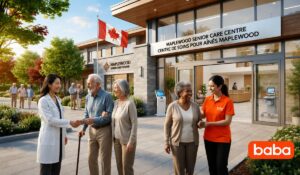
Understanding Hospital Care for Older Adults in Sherbrooke
Senior healthcare is different from routine adult healthcare because aging can affect several areas of health at the same time. An older patient may arrive at a hospital with one immediate concern but also have underlying conditions that influence diagnosis, treatment, mobility, nutrition, medication safety, and discharge planning.
A fall, for example, may initially appear to be an orthopedic problem. However, clinicians may also need to consider osteoporosis, vision problems, blood pressure changes, medication side effects, balance difficulties, cognitive impairment, dehydration, or an underlying neurological condition.
This is why multidisciplinary care is particularly valuable for seniors. Physicians, nurses, pharmacists, physiotherapists, social workers, occupational therapists, and other professionals may all contribute to an older patient’s recovery.
Sherbrooke has an especially strong environment for this type of coordinated care because healthcare delivery is closely connected with university education and research. The Université de Sherbrooke identifies population health and aging as an important research area, while its affiliated research environment includes both the Centre de recherche du CHUS and the Centre de recherche sur le vieillissement.
For families comparing the Best Hospitals for Seniors in Sherbrooke, this multidisciplinary environment can be an important consideration.
CHUS Hôpital Fleurimont
CHUS Hôpital Fleurimont is one of the two major hospital sites within the CIUSSS de l’Estrie CHUS system. It is located in Sherbrooke’s health campus and operates alongside major educational and research institutions, including the Centre de recherche du CHUS and the Faculty of Medicine and Health Sciences of the Université de Sherbrooke.
For older adults, the importance of Hôpital Fleurimont is connected to its broad hospital capabilities and specialist environment. The CHUS healthcare network provides a wide range of medical specialties and subspecialties, making the hospital system an important referral destination for complex cases.
Hôpital Fleurimont is particularly relevant when a senior needs hospital-based treatment involving complex medical conditions, surgery, diagnostic testing, specialist consultation, or ongoing management of chronic disease.
The hospital’s emergency department also underwent a major modernization. In February 2026, a new emergency department at Hôpital Fleurimont was inaugurated. The new department includes 41 stretchers, a pre-triage area, three triage rooms, 11 examination rooms, multiple nursing stations, isolation areas, and a rapid assessment zone with six reclining chairs.
These features can be meaningful for older patients because emergency environments need to balance speed, safety, infection prevention, privacy, and patient comfort.
Why Hôpital Fleurimont Can Matter to Seniors
Older adults often require more than a single medical consultation. They may need imaging, laboratory services, specialist assessments, medication review, surgery, rehabilitation planning, or follow-up care.
A major university hospital can provide advantages when several services are required during one episode of care. For example, a senior experiencing complications from a chronic condition may need internal medicine, diagnostic testing, pharmacy support, and specialist consultation.
Hôpital Fleurimont also has a strong connection to medical research. The Centre de recherche du CHUS operates within the health campus and supports research activities associated with the hospital environment. The broader research program includes areas such as cancer, diabetes, obesity, cardiovascular complications, medical imaging, inflammation and pain, and population health and aging.
This combination of clinical care, education, and research contributes to Sherbrooke’s position as an important healthcare centre in Quebec.

CHUS Hôtel Dieu de Sherbrooke
CHUS Hôtel-Dieu de Sherbrooke is the second major hospital site of the CIUSSS de l’Estrie CHUS. It is located in central Sherbrooke and forms part of the same university healthcare network as Hôpital Fleurimont.
For seniors specifically, Hôtel Dieu stands out because of its specialized approach to geriatric emergency care.
The emergency department at Hôtel Dieu was officially recognized as a geriatric emergency department in 2020 and received certification from the American College of Emergency Physicians. Santé Québec Estrie CHUS describes the emergency departments at Hôtel Dieu and Hôpital Brome Missisquoi Perkins as the first geriatric emergency departments in Quebec.
This makes Hôtel Dieu one of the most relevant hospitals for families specifically looking for age friendly emergency care in Sherbrooke.
Geriatric Emergency Care at Hôtel Dieu
Emergency visits can be particularly challenging for seniors. A hospital emergency department may involve waiting, unfamiliar surroundings, changes in medication routines, noise, mobility challenges, and communication difficulties.
A geriatric emergency model attempts to recognize these issues and adapt care accordingly.
At Hôtel Dieu, the geriatric emergency approach involves a multidisciplinary team that has included emergency physicians, nurses with geriatric expertise, physiotherapists, social workers, and pharmacists. The approach was developed to provide more appropriate care for older patients and to consider the broader factors affecting their health and independence.
This is particularly valuable when an older adult arrives with a fall, confusion, weakness, dehydration, medication problems, or a sudden decline in functional ability.
The goal is not simply to treat the immediate medical complaint. A geriatric approach can also help identify factors that could contribute to another emergency visit or make it difficult for the patient to return home safely.
Age Friendly Emergency Care
One of the most important factors families should consider when researching Best Hospitals for Seniors in Sherbrooke is whether the hospital environment is adapted to the realities of aging.
An age friendly emergency department may place greater emphasis on mobility, medication review, cognitive status, family involvement, communication, and safe discharge planning.
The Hôtel Dieu model has been specifically recognized for this type of approach. Santé Québec Estrie CHUS states that its geriatric emergency services work closely with CLSCs, residential care settings, and community organizations.
This connection is important because hospital treatment is only one part of senior care.
An older person may improve medically while still needing assistance at home. Without appropriate follow up, a patient could experience another fall, medication problem, or deterioration shortly after discharge.
The Importance of Geriatric Specialists
Geriatric medicine focuses on the health and functional needs of older adults. Instead of concentrating only on one disease, geriatric care often considers the interaction between multiple conditions, medications, mobility, cognition, mood, nutrition, and independence.
Sherbrooke has an established academic and clinical environment for geriatric medicine. The Université de Sherbrooke’s medical education and continuing education activities include geriatric medicine and geriatric psychiatry expertise within the CIUSSS de l’Estrie CHUS environment.
This expertise can be particularly useful for seniors living with multiple chronic conditions or experiencing changes in memory, mobility, behaviour, or independence.
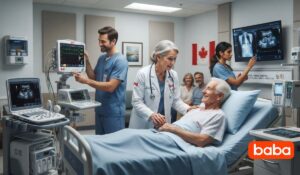
Supporting Seniors With Chronic Conditions
Many older adults live with several chronic conditions at once. Common examples include cardiovascular disease, diabetes, arthritis, chronic respiratory conditions, kidney disease, osteoporosis, and neurological disorders.
A hospital serving seniors needs to recognize how these conditions interact.
For example, kidney disease can affect medication choices. Diabetes can affect wound healing and infection risk. Cardiovascular disease can influence mobility and rehabilitation. Arthritis can make it harder for an older adult to use mobility aids or return to independent living.
Hôpital Fleurimont’s specialist environment can be particularly useful for complex cases. Its nephrology service, for example, provides hospital and outpatient care, hemodialysis, home dialysis, peritoneal dialysis, continuous hemodiafiltration, and renal transplantation services.
This demonstrates why families should consider the type of medical expertise available rather than selecting a hospital based only on general reputation.
Emergency Care, Falls, and Mobility Problems
Falls are among the most important reasons older adults may require emergency assessment.
A fall can result in fractures, head injuries, soft tissue injuries, or loss of confidence. However, healthcare professionals may also need to investigate why the fall occurred.
Possible contributing factors include poor balance, medication interactions, low blood pressure, vision problems, weakness, environmental hazards, or neurological conditions.
For a senior who has experienced a fall, families may want to ask whether the hospital can evaluate both the injury and the underlying reason for the fall.
This is one area where multidisciplinary geriatric care can provide meaningful value.
Family Involvement in Senior Hospital Care
Family members and caregivers often provide important information during hospital treatment. They may know the patient’s usual mobility level, medication routine, cognitive abilities, dietary needs, living arrangements, and previous health history.
This information can help healthcare professionals understand whether a change in behaviour or mobility is new or part of the patient’s usual condition.
Families should consider preparing a concise medical information sheet before a planned hospital visit. It can include current medications, allergies, important diagnoses, emergency contacts, mobility requirements, primary care information, and the patient’s usual level of independence.
For seniors with memory impairment or communication difficulties, having a trusted caregiver available can be especially valuable.
Summary
Sherbrooke offers a distinctive healthcare environment for older adults because its major hospital sites are supported by university medicine, specialist services, geriatric expertise, and research focused on aging.
Hôpital Fleurimont is important for complex medical care, specialist services, diagnostics, surgery, and emergency treatment. Hôtel Dieu is especially notable for its geriatric emergency model and its focus on adapting emergency care to older adults.
When comparing the Best Hospitals for Seniors in Sherbrooke, families should therefore consider the patient’s specific medical needs rather than looking for one hospital that is universally best for every senior.
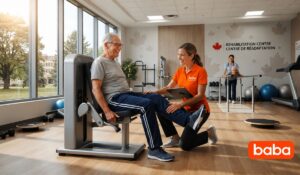
Senior Rehabilitation and Recovery
Hospital treatment is often only the beginning of recovery for an older adult. After surgery, an injury, infection, stroke, or serious illness, many seniors need rehabilitation before returning to their previous routine.
Rehabilitation may involve physiotherapy, occupational therapy, mobility training, strength exercises, balance work, and strategies for managing daily activities.
For families evaluating Best Hospitals for Seniors in Sherbrooke, it is useful to consider whether the patient’s care plan includes a clear transition from hospital treatment to rehabilitation and community support.
The goal should not simply be to stabilize the medical condition. The broader objective is to help the older adult regain as much independence as possible.
Maintaining Independence After Hospitalization
Independence is an important part of healthy aging. A senior who was able to prepare meals, walk independently, manage medication, and live safely at home before hospitalization may want to return to that level of independence.
Hospitalization can temporarily reduce strength and confidence, especially when a person spends several days in bed or has difficulty moving around.
Healthcare teams may therefore evaluate whether the patient can safely walk, transfer from a bed to a chair, use the bathroom, manage medications, eat adequately, and perform basic daily activities.
Families should ask what support will be required after discharge.
A patient may need home care, physiotherapy, occupational therapy, medication assistance, meal support, or help from family members.
Cognitive Health and Older Adults
Cognitive changes can make hospital care more complicated.
Some seniors live with dementia or mild cognitive impairment, while others may develop temporary confusion during an acute illness or hospitalization.
Sudden confusion can be associated with infections, medication changes, dehydration, pain, metabolic problems, or other medical conditions.
Families should tell healthcare professionals if a senior’s behaviour or mental state is significantly different from normal.
This information can help clinicians distinguish between long term cognitive changes and an acute change that may require investigation.
Sherbrooke’s aging research environment also contributes to knowledge about cognitive, psychological, and social vulnerability in older adults. The Centre de recherche sur le vieillissement specifically identifies cognitive and psychosocial vulnerability, autonomy, rehabilitation, chronic disease, and healthy aging among its research interests.
Medication Management for Seniors
Medication management is another important consideration when selecting hospital care for older adults.
Many seniors take several medications every day. When a person enters hospital, medications may need to be adjusted because of a new diagnosis, changes in kidney function, surgery, infection, or interactions with newly prescribed drugs.
A pharmacist can play an important role in reviewing medication safety.
Families can help by bringing an accurate medication list to the hospital. The list should include prescription medications, over the counter products, vitamins, supplements, and the dosage and frequency of each medication.
After discharge, families should understand which medications were stopped, which were changed, and which new medications were added.
Cardiac and Vascular Care
Heart disease becomes increasingly common with age, and seniors may require hospital care for chest pain, irregular heart rhythms, heart failure, hypertension, or vascular problems.
The best hospital for a particular cardiac problem depends on the urgency and complexity of the condition.
For emergency symptoms such as severe chest pressure, difficulty breathing, sudden weakness, or loss of consciousness, families should seek emergency medical assistance rather than attempting to determine which hospital is best on their own.
For planned specialist treatment, the patient’s existing healthcare provider can help determine the appropriate referral pathway.
Kidney Health and Dialysis Services
Kidney disease is another condition that can significantly affect older adults.
Seniors with advanced kidney disease may need regular dialysis or specialized nephrology care.
The nephrology service associated with CHUS Hôpital Fleurimont provides several forms of renal replacement therapy and offers both hospital and outpatient services. Its activities include hemodialysis in centre and at home, peritoneal dialysis, continuous hemodiafiltration, and renal transplantation.
This type of specialist infrastructure can be important for older adults whose medical needs are more complex.
Families should consider not only where a patient receives hospital treatment, but also how ongoing treatment will affect transportation, appointments, mobility, caregiver responsibilities, and daily life.
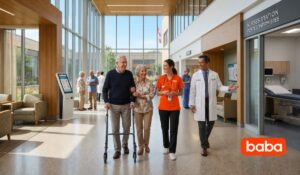
Cancer Care for Older Adults
Cancer treatment can be particularly complex for seniors because age may be accompanied by other chronic conditions, medication use, mobility limitations, or changes in nutritional status.
A senior receiving cancer treatment may require several types of care, including diagnostic imaging, pathology, surgery, oncology consultations, medication management, rehabilitation, and emotional support.
The university healthcare environment in Sherbrooke includes major cancer research activities through the Université de Sherbrooke and its affiliated research institutions.
For families, the most appropriate hospital or treatment pathway will depend on the specific cancer diagnosis and treatment plan.
Supporting Older Adults With Diabetes
Diabetes can become more challenging to manage as people age.
Older adults may experience changes in appetite, activity levels, kidney function, vision, and medication tolerance. Hospitalization can also disrupt established routines.
A senior admitted with an infection, injury, cardiovascular problem, or surgical condition may require additional attention to blood glucose management.
Families should tell hospital staff about the senior’s usual diabetes routine, medications, glucose monitoring, dietary restrictions, and any history of low blood sugar.
Good communication can help reduce confusion during transitions between home, hospital, and rehabilitation.
Mental Health and Emotional Wellbeing
Physical health is only one part of senior wellbeing.
Older adults may experience anxiety, depression, loneliness, grief, sleep problems, or emotional distress, particularly after hospitalization or a major change in independence.
Some seniors may also experience psychiatric or behavioural symptoms associated with neurological conditions.
Sherbrooke’s university medical environment includes expertise in geriatric psychiatry, alongside other medical specialties.
Families should communicate changes in mood, sleep, behaviour, appetite, or social engagement to healthcare providers.
Nutrition and Hydration
Nutrition is another important part of recovery for older patients.
A senior who has poor appetite, difficulty swallowing, dental problems, or limited access to food at home may be at increased risk of inadequate nutrition.
Hospital teams may assess nutritional needs and recommend dietary modifications when appropriate.
Families can help by informing healthcare providers about the patient’s usual diet, food allergies, swallowing difficulties, religious or cultural dietary requirements, and recent changes in appetite.
After discharge, ensuring access to nutritious meals can become part of the recovery plan.
Discharge Planning for Seniors
Discharge planning is one of the most important stages of hospital care.
A senior may be medically stable but still unable to safely return to their previous living situation.
Before discharge, families should understand:
What diagnosis was made?
What treatment was provided?
Which medications have changed?
What symptoms require urgent attention?
What follow up appointments are required?
Does the patient need physiotherapy or occupational therapy?
Does the home environment need modifications?
Will the patient require assistance with bathing, dressing, meals, or medication?
Who should the family contact if the patient’s condition changes?
Having clear answers can make the transition home safer.
Transportation After Hospital Visits
Transportation is an important issue for older adults who have limited mobility or no longer drive.
A hospital appointment may require more than simply getting from one address to another. Seniors may need assistance entering and leaving a vehicle, help carrying personal belongings, or an escort from the vehicle to the hospital entrance.
Families should consider transportation needs before scheduling appointments.
For seniors with regular medical appointments, dependable transportation can support continuity of care and reduce the risk of missed appointments.
Choosing Between Hôpital Fleurimont and Hôtel Dieu
The question of which hospital is best depends on the patient’s situation.
Hôpital Fleurimont is particularly important for complex specialist care, hospital treatment, diagnostics, and emergency services. Its new emergency department was inaugurated in 2026 as part of a major modernization project.
Hôtel Dieu is particularly notable for its age friendly emergency care. Its geriatric emergency department has been recognized by the American College of Emergency Physicians and was developed around the specific needs of older adults.
Therefore, there is no single answer for every family.
The appropriate hospital may depend on the medical condition, urgency, specialist required, location, referral pathway, and existing healthcare plan.
What Families Should Look for in a Senior Friendly Hospital
When researching Best Hospitals for Seniors in Sherbrooke, families can evaluate several practical factors.
First, consider geriatric expertise. Older adults may benefit from clinicians who understand frailty, falls, polypharmacy, cognitive changes, and functional decline.
Second, consider multidisciplinary care. A senior may need physicians, nurses, pharmacists, physiotherapists, occupational therapists, and social workers working together.
Third, consider emergency care. A geriatric emergency model can be valuable when an older adult experiences an acute medical problem.
Fourth, consider specialist access. Seniors with complex chronic diseases may need cardiology, nephrology, oncology, neurology, or other specialist services.
Fifth, consider discharge planning. The ability to coordinate care after hospitalization can be just as important as treatment inside the hospital.
Questions to Ask Before a Hospital Visit
Families can prepare a short list of questions before a planned appointment.
Useful questions include:
What department will provide the patient’s care?
Does the patient need a referral?
Should the medication list be brought to the appointment?
Can a family caregiver accompany the senior?
What mobility assistance is available?
What follow up will be required?
Will rehabilitation be recommended?
What should the family do if symptoms worsen after discharge?
These questions can help families feel more prepared and reduce confusion.
The Role of the Centre de recherche sur le vieillissement
One of Sherbrooke’s strongest assets for older adults is the connection between clinical care and research into aging.
Centre de recherche sur le vieillissement brings together researchers from multiple disciplines and focuses on preventing or delaying loss of autonomy, understanding age related vulnerabilities, improving rehabilitation, and supporting healthy aging.
The centre’s interdisciplinary nature is significant because aging affects many aspects of life.
Research involving medicine, rehabilitation, psychology, nutrition, social work, physical activity, ethics, and other disciplines can contribute to a more complete understanding of senior wellbeing.
The Université de Sherbrooke also identifies the Centre de recherche sur le vieillissement as one of its recognized research institutes.
A Healthcare Environment Focused on Aging
Sherbrooke’s healthcare landscape demonstrates why families should look beyond simple hospital rankings when evaluating care for older adults.
The combination of Hôpital Fleurimont, Hôtel Dieu, the CIUSSS de l’Estrie CHUS, the Université de Sherbrooke, and aging research resources creates a broad healthcare ecosystem.
The Fondation du CHUS reports that the hospital system provides 52 specialties and four subspecialties and serves more than 500,000 people annually.
For seniors, this broad range of expertise can be particularly valuable when several health conditions need to be addressed simultaneously.
How Caregivers Can Prepare for Hospitalization
Preparation can make a hospital visit easier.
Caregivers should consider preparing a folder containing the senior’s identification information, health card details, medication list, allergies, major diagnoses, physician information, emergency contacts, advance care planning documents where applicable, and information about mobility or cognitive needs.
A written list can be especially useful when the senior becomes tired or has difficulty communicating.
Caregivers should also record the patient’s usual level of independence.
For example, does the senior normally walk without assistance? Do they use a cane or walker? Can they prepare meals? Do they manage their own medications?
This information helps healthcare professionals understand the difference between the patient’s normal condition and a new decline.
Final Thoughts on the Best Hospitals for Seniors in Sherbrooke
For families searching for Best Hospitals for Seniors in Sherbrooke, the most important consideration is not simply finding the largest hospital. The better approach is to identify the healthcare setting that matches the senior’s medical condition, functional needs, urgency, and long term care requirements.
Hôpital Fleurimont offers a major university hospital environment with extensive specialist and emergency capabilities, while Hôtel Dieu has a particularly strong profile in geriatric emergency care. The Hôtel Dieu emergency department has been recognized as an age friendly geriatric emergency service, and Santé Québec Estrie CHUS continues to develop approaches designed to make emergency care safer and more appropriate for older adults.
Sherbrooke also benefits from the Centre de recherche sur le vieillissement and the broader Université de Sherbrooke healthcare and research environment. This creates an ecosystem where clinical medicine, education, rehabilitation, geriatric expertise, and research into healthy aging intersect.
Ultimately, the right hospital for a senior depends on the situation. Emergency symptoms require immediate medical attention. Complex conditions may require a university hospital and specialist services. Falls, confusion, frailty, and sudden functional decline may benefit from geriatric expertise. Planned treatments require careful coordination with the patient’s healthcare team.
By considering medical specialization, geriatric care, emergency services, rehabilitation, medication management, family communication, discharge planning, and accessibility, families can make a more informed decision about hospital care in Sherbrooke.
For older adults and their families, the goal should always be more than treating an illness. Good senior healthcare should also protect dignity, preserve independence, support recovery, and help the patient maintain the best possible quality of life.
Bài viết liên quan: