
Home Care in Brandon: What Help Is Available for Seniors Living Alone? Living alone can be an important part of maintaining independence for older adults in Brandon, Manitoba. Many seniors want to remain in the home and neighbourhood they know, continue making their own decisions, and manage their daily routines without moving into a personal care home or supportive housing. However, living independently can become more challenging when everyday tasks such as driving, grocery shopping, housekeeping, errands, transportation, or maintaining social connections become harder. This is why families searching for Home Care for Senior Services may also use terms such as home care for seniors, senior care in home, senior assistance at home, elderly support services, companion care for seniors, or home support for older adults. These terms can describe very different services. In Brandon, resources can include formal Home Care through Prairie Mountain Health, community programs, transportation, meal support, home maintenance, social programs, and practical companion assistance. The City of Brandon’s Senior Resource Guide and Manitoba’s senior resources identify numerous forms of assistance designed to help older adults remain active and connected in their communities. Local organizations such as Brandon Seniors for Seniors Co-op also provide community information and programs for older adults, while Brandon Transit offers conventional public transportation and Access Transit for residents with mobility challenges. For families asking, “Home Care in Brandon : What Help Is Available for Seniors Living Alone?”, the most important step is understanding the difference between medical or formal home care and non medical companion support. A senior may not need nursing care at all. They may simply need someone trustworthy to drive them to an appointment, help with groceries, assist with household cleaning, complete an errand, or spend time with them. Identifying that distinction can help families choose appropriate support while allowing an older adult to preserve dignity, independence, routine, and connection to the Brandon community.

What Does Home Care in Brandon Mean for Seniors?
When families first begin looking for support for an aging parent, they often use the broad phrase “home care.”
That is completely understandable.
The problem is that home care can describe many different types of assistance.
A senior might require professional healthcare at home because of an illness or reduced mobility. Another senior may be perfectly capable of managing personal hygiene, medications, meals, and finances but struggle with transportation and physically demanding household tasks.
These two seniors have very different needs.
For example, consider an older adult living alone in Brandon who can independently prepare breakfast, take medication, communicate with family, and manage personal finances.
However, they have stopped driving because they no longer feel comfortable on winter roads.
They also find grocery shopping tiring.
Cleaning the bathroom has become physically demanding.
Their adult children live busy lives and cannot visit every day.
The senior does not necessarily need medical home care.
They may need practical companion support.
That distinction is essential when researching senior care services in Brandon.
Formal home care can address assessed healthcare and personal support needs. Companion services can address everyday activities that make independent living easier.
Neither is necessarily better.
They simply serve different purposes.
Formal Home Care Through Prairie Mountain Health
For seniors with healthcare related needs, Manitoba’s public home care system is an important resource.
In Brandon, Home Care is provided through Prairie Mountain Health.
The Brandon Resource Guide lists Prairie Mountain Health Home Care and directs residents to centralized intake for requests and questions about the Home Care Program.
Formal home care can become relevant when an older adult needs more structured assistance because of health conditions, disability, reduced mobility, or loss of independence.
Families should therefore consider formal assessment when a senior is struggling with essential personal or healthcare activities.
The City of Brandon’s Senior Resource Guide also explains that supportive housing or a personal care home may become appropriate when someone can no longer remain safely at home even with home care services, or when their needs can be provided more effectively in another care setting.
However, this does not mean that every senior who lives alone needs formal healthcare support.
Many seniors simply need help with the practical side of everyday life.
That is where companion services can become relevant.
The Difference Between Home Care and Companion Care
The phrase “home care” often makes people think about nurses, healthcare aides, medication assistance, or personal care.
Companion care is different.
A companion service generally focuses on non medical assistance and everyday activities.
For a senior living alone, this might include:
Driving to appointments or activities
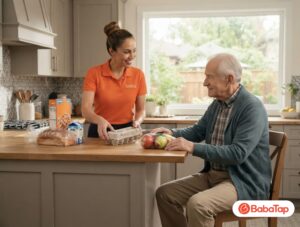
Grocery shopping
Accompanying a senior while shopping
Picking up groceries or household items
Light household cleaning
Helping with errands
Going for walks
Accompanying a senior to community events
Providing conversation and companionship
Helping maintain an active routine
These activities may not require a healthcare professional.
Yet they can have a major impact on whether an older adult feels comfortable continuing to live independently.
This is the gap that families sometimes miss when searching for senior care in Brandon.
They know their parent needs help.
They simply do not know what type of service to search for.
Why Seniors Living Alone May Need Everyday Assistance
Aging does not automatically mean losing independence.
Many older adults can continue living independently for years with the right support.
The difficulty is often not a single major problem.
It is a collection of smaller challenges.
Driving may become uncomfortable.
Shopping may require more energy.
Housekeeping may take longer.
Snow and ice may make outdoor errands difficult.
Carrying laundry may become tiring.
Attending social events may require transportation.
Family members may live nearby but have limited availability.
These small obstacles can gradually affect an older adult’s quality of life.
A senior may stop going grocery shopping as often.
They may begin avoiding activities.
They may spend more time at home.
They may become less socially connected.
Eventually, the family may assume the senior needs a much higher level of care.
In reality, the missing support may simply be practical assistance.
Manitoba’s approach to age friendly communities recognizes transportation, housing, social participation, communication, and community support as important parts of helping older adults remain active and independent.
Transportation for Seniors in Brandon
Transportation is one of the most important areas of support for older adults living alone.
A person may be physically capable of walking but still find transportation difficult.
They may need to travel across Brandon for a medical appointment.
They may want to shop for groceries.
They may need to visit a bank.
They may want to attend a community activity.
They may simply want to visit a friend.
Brandon Transit provides fixed route public transportation throughout the city and Access Transit for residents with mobility challenges.
These options can be useful depending on the senior’s mobility and transportation needs.
Community based transportation can also be important.
Manitoba’s senior resource information identifies transportation programs as one of the core supports that can help older adults remain independent in their communities.
But transportation is not always just about getting from one location to another.
Some seniors need assistance before, during, and after the trip.
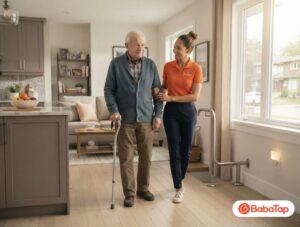
They may need someone to help them leave the house, carry belongings, navigate a store, or accompany them during an appointment.
That is where companion transportation can provide a different type of support.
Grocery Shopping Assistance for Brandon Seniors
Grocery shopping is an ordinary activity that can become surprisingly difficult with age.
A senior may have no problem deciding what they want to eat.
The challenge may be getting to the store and carrying everything home.
Large grocery bags can be heavy.
Walking through a large store can be tiring.
Winter weather can create additional challenges.
For seniors living alone, having someone accompany them can make grocery shopping much more manageable.
The senior can remain involved in choosing products and making decisions.
The companion simply provides practical assistance.
This is different from taking control of the senior’s life.
The goal is to support independence rather than replace it.
In Brandon, community organizations have historically included shopping and errands among the types of assistance available to seniors. Manitoba’s senior resources identify community programs such as transportation, meal services, information and referral, and home maintenance as important supports for older adults.
House Cleaning and Home Maintenance
Keeping a home clean can become increasingly demanding as people age.
Vacuuming.
Mopping.
Cleaning bathrooms.
Changing bedding.
Doing laundry.
Moving household items.
Cleaning kitchens.
These tasks may require bending, reaching, lifting, or standing for extended periods.
A senior may still be completely independent in most areas of life but prefer help with physically demanding household tasks.
This is an important distinction.
Needing assistance with housekeeping does not necessarily mean a person needs personal care.
Manitoba’s community support framework specifically identifies home maintenance as one type of community service that can help seniors remain independent.
Brandon Seniors for Seniors also identifies community support and safety resources for local older adults and provides a senior resource guide designed to help residents find services and products they may need.
For families, this means household support should be considered as part of a broader independent living plan.
Errand Assistance for Older Adults
Errands can become another barrier to independence.
An older adult may need to:
Pick up household supplies.
Drop off paperwork.
Collect prescriptions.
Visit a bank.
Return an item.
Purchase something from a local store.
Attend an appointment.
These tasks are not necessarily healthcare related.
Yet they can be difficult when someone no longer drives or has limited mobility.
Companion assistance can help fill these everyday gaps.
Instead of a family member needing to take time away from work for every small errand, a companion can provide practical assistance.
This can reduce family stress while allowing the senior to remain involved in everyday decisions.
Companionship for Seniors Living Alone
Living alone and being lonely are not the same thing.
Many older adults enjoy living alone.
They appreciate privacy.
They enjoy controlling their own schedule.
They may prefer their own home to a larger care environment.
However, even an independent senior can benefit from regular social contact.
A companion can provide conversation and shared activities.
They might:
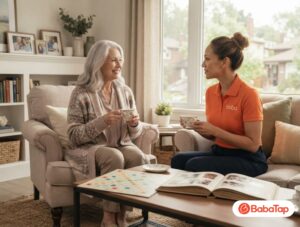
Have coffee with the senior.
Go for a walk.
Play cards.
Talk about family.
Accompany the senior to a community event.
Visit a local shop.
Help with a hobby.
Simply spend time together.
These activities may appear small, but regular human connection can make daily life more enjoyable.
Brandon Seniors for Seniors includes an Anti Isolation Program among its listed safety and support resources, demonstrating the importance of social connection for older adults in the local community.
Community Resources in Brandon
Families should not assume that one organization has to provide every service.
Brandon has a network of community and government resources that can help seniors in different ways.
The Manitoba Seniors Guide provides information about healthcare, housing, community programs, transportation, personal safety, and other services for older adults.
The Manitoba Association of Senior Communities also recommends calling 211 for assistance finding community resources. Its information specifically notes that 211 can help older adults find services related to meals, transportation, recreation, housing, home maintenance, home healthcare, elder abuse, and friendly visiting.
This is particularly useful for families who do not know where to begin.
Rather than searching for one generic service, families can describe the actual problem.
For example:
“My mother needs help getting groceries.”
“My father needs transportation to appointments.”
“My parent is struggling with housekeeping.”
“My mother lives alone and needs more social contact.”
“My father cannot drive anymore but is otherwise independent.”
These descriptions can lead to much more relevant support options.
Brandon Seniors for Seniors
One notable local resource is Brandon Seniors for Seniors Co-op Inc.
The organization provides information and programs for older adults and makes a Brandon Senior Resource Guide available to the community. Its stated purpose is to help seniors access services and products that can support a full and active life.
Its listed resources include safety initiatives, home foot care, workshops, social programming, and an anti isolation program.
This illustrates an important principle.
Senior support is not limited to healthcare.
Community connection, safety, transportation, meals, home maintenance, and social participation can all contribute to aging well.
Brandon Friendship Centre Senior Programs
Another local example is the Brandon Friendship Centre.
Its 55+ Seniors Program offers free transportation for medical needs, shopping, hamper deliveries, banking needs, and outings to community and cultural events. The program also provides home visits and assistance connecting seniors with other services and supports.
This is a useful example of how senior support can combine transportation, social connection, community participation, and practical assistance.
It also demonstrates why families should look beyond the single phrase “home care.”
The service a senior needs may be described as transportation, community support, friendly visiting, errands, or companion assistance rather than traditional home care.
Meals and Food Support
Food is another important part of aging independently.
Some seniors may struggle with cooking because of mobility limitations, fatigue, transportation issues, or difficulty shopping.
Community meal programs can provide another layer of support.
Brandon Seniors for Seniors lists meal related community support among its partnerships and resources.
Manitoba’s broader community support framework also identifies senior meal programs and transportation programs as important community based supports.
Families should consider whether the senior’s challenge is cooking, shopping, transportation, or nutrition.
The answer can determine which service is most appropriate.
Creating a Support System for a Senior Living Alone in Brandon
The best solution is often not one service.
It is a combination of support.
For example, an older adult might use:
Prairie Mountain Health Home Care for assessed healthcare needs.
Brandon Transit for regular public transportation.
A community transportation program for specific needs.
A meal program for additional food support.
A companion for groceries, errands, cleaning, and social activities.
Family members for regular check ins.
A community organization for social participation.
This layered approach can allow the senior to remain independent while receiving assistance where it is actually needed.
The Government of Manitoba promotes community based supports that focus on independence and wellbeing, including transportation, meals, home maintenance, information and referral, and emergency resources.
How to Decide What Help a Senior Actually Needs
Before choosing a service, families should look at the senior’s normal week.
Ask simple questions.
What activities have become difficult?
Has the senior stopped driving?
Can they get groceries independently?
Can they maintain the home?
Are they attending appointments?
Are they still participating in hobbies?
Do they have regular social interaction?
Do they need personal care?
Are there medical concerns?
Do they need help every day or only once or twice a week?
The answers can reveal the appropriate level of support.
For example, if the only significant issue is transportation, hiring a full time caregiver may be unnecessary.
If the senior needs assistance with bathing, medication management, mobility, and healthcare, companion care alone may not be sufficient.
The objective is to match the service to the actual need.
When Formal Home Care May Be Necessary
Families should take healthcare and safety concerns seriously.
A senior may need formal assessment if they are experiencing:
Frequent falls.
Difficulty bathing or dressing.
Problems managing medications.
Significant memory problems.
Difficulty preparing meals.
Increasing mobility limitations.
Inability to respond appropriately during emergencies.
Major changes in their ability to manage everyday activities.
In these situations, a professional assessment may be appropriate.
Prairie Mountain Health’s Home Care program is the relevant public pathway for Brandon residents seeking information or requesting home care support. The current Brandon Resource Guide directs residents to centralized intake for the Home Care Program.
Families should also recognize that the level of support may change over time.
A senior might initially need only practical assistance.
Later, healthcare needs may increase.
The support plan can evolve accordingly.
When Companion Care May Be the Better Fit
Companion care may be appropriate when a senior is fundamentally independent but needs help with practical activities.
Examples include:
A senior who still manages their own home but no longer drives.
A senior who wants help with grocery shopping.
A senior who finds cleaning physically tiring.
A senior who needs someone to accompany them to appointments.
A senior who wants help with errands.
A senior who wants regular social interaction.
A senior whose adult children cannot visit frequently enough to provide all practical assistance.
These situations are common because aging often creates gradual changes rather than one sudden loss of independence.
A companion can help bridge the gap.
BabaTap and Non Medical Companion Support
BabaTap is designed around this practical side of senior living.
BabaTap is a companion service for seniors.
It is not a medical home care provider.
The focus is non medical support that helps older adults manage everyday activities more comfortably.
This can include services such as driving, grocery shopping, household cleaning, errands, and companionship.
For a Brandon senior who is still capable of making their own decisions but needs a helping hand, this type of service can be highly relevant.
Imagine a senior who wants to remain in their Brandon home.
They do not need nursing care.
They do not need assistance with personal hygiene.
They simply have difficulty driving to the grocery store.
They also find cleaning increasingly tiring.
Their children work full time and cannot always help.
A companion service may be a much better fit than traditional medical home care.
The senior can continue making their own choices.
The companion provides practical assistance.
The family gains peace of mind.
And the senior gets to maintain more of their normal routine.
Why Non Medical Senior Support Matters
It is easy to underestimate practical tasks.
Driving to the grocery store may take only an hour.
Cleaning the kitchen may take only thirty minutes.
Picking up an item may take only twenty minutes.
But when these tasks become difficult, they can have a much larger impact.
A senior who cannot drive may become less active.
A senior who struggles with shopping may eat less conveniently.
A senior who finds cleaning exhausting may spend more time worrying about the home.
A senior who rarely goes out may become increasingly isolated.
Practical assistance can address these problems before they become bigger issues.
This is why families searching for Home Care for Senior Services should consider the actual activity that needs support.
Transportation Plus Companionship
Transportation becomes especially valuable when combined with companionship.
A senior may not simply want a ride.
They may want someone who can accompany them.
For example, imagine a senior has a doctor’s appointment.
A simple transportation service might provide the trip.
A companion could potentially provide a more supportive experience by helping the senior leave home, travelling with them, waiting as appropriate, assisting with belongings, and helping them return home.
The precise responsibilities depend on the service arrangement.
The key difference is that companion transportation can address the social and practical experience surrounding the trip rather than transportation alone.
Supporting Grocery Shopping Without Taking Away Independence
A good companion service should not make an older adult feel incapable.
The senior should continue making decisions whenever possible.
They choose the groceries.
They decide what meals they want.
They choose the stores they prefer.
They determine which errands matter.
The companion helps make those activities easier.
This distinction is particularly important for older adults who are protective of their independence.
Support should feel like assistance, not control.
Helping Seniors Maintain Their Home
Home is more than a physical building.
For many older adults, it represents decades of memories, routines, and independence.
Remaining at home can be deeply meaningful.
However, maintaining a home can become difficult.
Companion or household assistance can help with everyday tasks while allowing the senior to continue living in familiar surroundings.
This is consistent with Manitoba’s broader focus on community supports that help older adults remain active and independent.
Families should distinguish between light practical help and specialized maintenance or professional services.
The right provider should clearly explain what tasks are included.
Social Activities and Community Connection
Aging independently should not mean staying home all the time.
Brandon offers opportunities for older adults to participate in community activities, programs, and social events.
Brandon Seniors for Seniors operates programs and events intended to promote socialization and community participation.
The Brandon Friendship Centre also provides transportation to community and cultural events through its 55+ program.
For seniors who need transportation or companionship to participate, practical assistance can turn an activity that feels inaccessible into something achievable.
That can be an important part of maintaining an active lifestyle.
What Families Should Look for in a Senior Companion Service
Choosing a companion is different from choosing a medical provider.
Families should consider several factors.
Clear Non Medical Services
The company should explain exactly what the companion can provide.
If medical or personal care is needed, families should seek an appropriately qualified provider.
Reliability
Consistency matters to older adults.
A senior should know when help is coming and what to expect.
Respect
The companion should respect the senior’s choices, privacy, home, routines, and preferences.
Communication
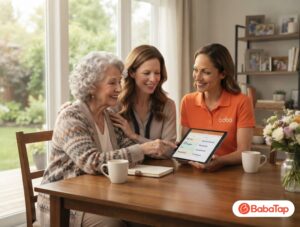
Families should have a clear way to communicate with the service provider when appropriate.
Transportation Details
If driving is included, families should understand how transportation works, where the companion can drive, and what arrangements apply.
Household Tasks
Families should clarify what types of cleaning or household assistance are included.
Personal Compatibility
A companion relationship works best when the senior feels comfortable with the person providing support.
This is particularly important because companionship involves trust and regular interaction.
How to Search for Senior Help in Brandon
Families often begin with broad searches such as:
“Home care for seniors Brandon”
“Senior care in home Brandon”
“Home care services Brandon Manitoba”
“Help for elderly living alone”
“Senior assistance at home”
“Companion care for seniors Brandon”
“Senior transportation Brandon”
“Grocery shopping help for seniors”
“Housekeeping for seniors Brandon”
These searches reflect a common problem.
People often know what they need help with but do not know the name of the service.
A better approach is to search according to the specific task.
If the senior needs medical support, investigate Home Care through Prairie Mountain Health.
If they need transportation, look for Brandon Transit, Access Transit, community transportation, or senior transportation resources.
If they need groceries, look for grocery assistance or companion services.
If they need household help, search for senior housekeeping or home maintenance assistance.
If they need social connection, search for senior companionship or friendly visiting.
This makes the search more targeted.
Using 211 to Find Senior Resources
Families do not have to identify every local organization by themselves.
211 Manitoba can help connect residents with community resources.
The Manitoba Association of Senior Communities specifically notes that 211 can connect older adults with services involving meals, transportation, recreation, housing, home maintenance, home healthcare, elder abuse support, and friendly visiting.
This can be especially useful when the family is unsure what category of support applies.
Instead of asking for a particular organization, describe the senior’s situation.
For example:
“My father lives alone and needs help getting groceries.”
“My mother no longer drives but is otherwise independent.”
“My parent needs someone to accompany them to appointments.”
“My senior parent needs help keeping the home tidy.”
“My father would benefit from more regular companionship.”
The more specific the situation, the easier it may be to identify the right resource.
Building a Sustainable Plan for Aging at Home
A successful aging at home plan should be flexible.
Needs change.
A senior might need one hour of assistance today and several hours later.
A temporary injury might create a short term need.
A gradual change in mobility might create a long term need.
The family should therefore review the support arrangement periodically.
Ask:
Is the senior still comfortable at home?
Are current services sufficient?
Has transportation become more difficult?
Are household tasks becoming harder?
Is the senior still socially active?
Have health needs changed?
Does formal home care need to be reassessed?
This approach allows families to respond to changes without automatically assuming that a major move is necessary.
Home Care in Brandon Should Be About the Individual
There is no universal senior care solution.
Every older adult has a different combination of needs.
One senior may need nursing support.
Another may need help with personal care.
Another may only need transportation twice a week.
Another may want someone to help with groceries and household cleaning.
Another may simply want regular companionship.
The important thing is to identify the actual problem before selecting the service.
This can make care more efficient and can help seniors feel more in control.
Final Thoughts
For families researching Home Care in Brandon : What Help Is Available for Seniors Living Alone?, the answer extends well beyond traditional medical care.
Brandon seniors can potentially access different layers of support, including Prairie Mountain Health Home Care, public transportation, Access Transit, community organizations, senior programs, meal resources, home maintenance assistance, and social support.
The key is understanding what the senior actually needs.
If there are healthcare, personal care, or serious safety concerns, formal home care and professional assessment should be considered.
If the senior is generally independent but needs assistance with driving, groceries, errands, household cleaning, activities, or companionship, non medical companion support may be the more appropriate category.
This is where BabaTap can provide a practical option.
BabaTap is not intended to replace nurses, doctors, healthcare aides, or formal home care programs.
Instead, it focuses on the everyday tasks that can become challenging for seniors living independently.
For an older adult in Brandon, having someone available to drive, shop, assist with household tasks, complete errands, or provide companionship can make independent living more manageable.
The right support does not take independence away.
It can help preserve it.
A senior should not have to choose between doing everything alone and giving up their home.
There is a middle ground.
With the right combination of public resources, community programs, family support, and companion assistance, many seniors can continue participating in the routines and activities that matter to them.
For families who began their search with phrases such as “home care for senior” or “senior care in home,” the most useful next step is to identify the actual task behind the search.
Does the senior need healthcare?
Personal care?
Transportation?
Groceries?
Housekeeping?
Errands?
Social connection?
Or simply someone dependable to help make everyday life easier?
Once that question is answered, finding the right support becomes much clearer.
For seniors who mainly need practical, non medical assistance, companion care can fill an important gap between complete independence and formal healthcare.
That is why Home Care for Senior Services should be understood broadly when researching support for older adults living alone in Brandon.
The best solution is not necessarily the most intensive one.
It is the solution that matches the senior’s needs, respects their independence, supports their lifestyle, and helps them continue living safely and comfortably in the community they call home.
Choose the support that fits your needs. BabaTap provides flexible, non-medical companion and everyday support services for older adults, available by the hour in Brandon. Friendly visits, conversation and emotional support. Safe rides to appointments, shopping and errands. Help with groceries, errands and everyday essentials. Friendly check-ins for comfort, connection and reassurance. Fresh, simple meal preparation and everyday kitchen support. Light housekeeping and help keeping the home organized. Companion support during hospital visits and care waits. Companionship for walks and light activity to stay active. Flexible non-medical support for everyday life at home. Meaningful companionship and non-medical senior support. BabaTap focuses on flexible, non-medical senior support. Service availability may vary by city and BabaTap provider.BabaTap Services by the Hour in Brandon

Friendly Companion

Transportation

Grocery & Errands

Check-in Visits

Meal Preparation

Light Home Support

Hospital Companion

Walk & Exercise

Home Care

Companion Care
Bài viết liên quan: