
Home Care in Markham: What Services Are Available for Seniors? When families search for “Home Care in Markham : What Services Are Available for Seniors?”, they are often looking for practical ways to help an aging parent remain comfortable, independent, and connected while continuing to live at home. In Markham, senior support can include much more than medical care. Older adults may need help getting to appointments, picking up groceries, preparing simple meals, keeping the home organized, running errands, attending community activities, or simply having a trusted person nearby for companionship. Organizations such as the City of Markham, York Region, Ontario Health at Home, and local community programs provide different forms of support for older adults, while private companion services can help fill everyday gaps that families may struggle to manage. Ontario recognizes community support services such as transportation, friendly visiting, meal services, home help, social programs, caregiver respite, and home maintenance as important resources for people who want to continue living safely in their own homes. For many Markham families, the right solution is therefore not necessarily a medical caregiver. Sometimes the most useful assistance is a reliable companion who can drive a senior to a grocery store, accompany them to a community centre, help with light household tasks, or make everyday routines easier. This distinction matters because “home care for seniors,” “senior care at home,” “in-home senior support,” and “companion care for seniors” can describe very different types of services. Understanding what each option offers can help families choose support that matches the senior’s actual needs, lifestyle, preferences, and level of independence. This guide explains the services commonly associated with home care in Markham, how non-medical companion support fits into the picture, and what families should consider when arranging practical assistance for an older adult.
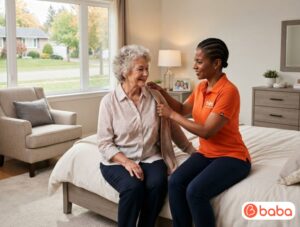
Understanding Home Care for Seniors in Markham
The phrase “home care” can mean different things depending on who is providing the service.
For some families, home care means professional health services delivered in the home. For others, it means assistance with everyday activities that makes independent living easier.
In Ontario, Ontario Health atHome coordinates eligible home and community care services. Depending on an individual’s assessed needs, these services can include nursing, physiotherapy, occupational therapy, speech-language services, personal support, and homemaking. Homemaking can include activities such as housecleaning, laundry, shopping, banking, bill payment, and meal planning.
At the same time, Ontario community support services can include transportation, friendly visiting, meal delivery, social programs, home help, caregiver support, respite, and home maintenance.
This creates an important distinction for families searching for senior care in Markham.
A senior may not need medical care at all.
They may simply need someone to help them get through the practical parts of the day.
For example, an older adult might still be able to dress, bathe, cook, and manage medications independently but no longer feel comfortable driving on busy roads. A companion can help by providing transportation to the grocery store, pharmacy, library, community centre, or a family gathering.
Another senior may be physically independent but find household chores tiring. Light housekeeping support can help maintain a comfortable living environment without taking away the senior’s independence.
Someone else may spend too much time alone after a spouse passes away or family members become busy with work and their own responsibilities. Regular companionship can provide conversation, social connection, and encouragement to participate in activities.
This is where Home Care for Senior Services can be understood more broadly as a category of support rather than a single type of professional care.
What Non-Medical Home Support Can Look Like
Non-medical home support is particularly useful when an older adult wants to continue living at home but needs help with routine activities.
The goal is not to replace the senior’s independence.
The goal is to make independence easier to maintain.
Common services may include:
1. Senior Transportation and Driving Assistance
Transportation is one of the most practical forms of senior support.
An older adult may stop driving because of age, confidence, vehicle limitations, winter conditions, traffic, or a personal decision to avoid driving. However, losing access to a car can make everyday life much more difficult.
A companion service can help seniors travel to:
• Grocery stores
• Pharmacies
• Medical appointments
• Banks
• Libraries
• Community centres
• Religious or cultural activities
• Restaurants and cafés
• Family visits
• Social events
• Hair appointments
• Personal errands
Transportation can be especially valuable in a large and diverse community such as Markham, where seniors may want to remain active across different neighbourhoods.
York Region also provides transportation resources for seniors, including YRT On-Request 65+, which allows eligible adults aged 65 and older to request transportation from home to destinations within five kilometres in York Region. The Region’s 2026 Seniors Navigation Guide also lists community transportation programs serving seniors with needs that conventional transportation may not meet.
Private companion transportation can complement these options when a senior needs a more personalized experience.
For example, a senior may not simply need a ride to a store. They may need someone to wait while they shop, carry groceries to the vehicle, and accompany them home.
That difference can be important.
2. Grocery Shopping Assistance
Grocery shopping can become physically demanding as people age.
Walking through a large store, comparing products, carrying bags, waiting in line, and transporting groceries home can take considerable energy.
A companion can assist with the trip while allowing the senior to remain involved in the decision-making process.
This might include driving to the grocery store, helping navigate the store, carrying bags, and returning home safely.
For seniors who prefer to remain independent, this type of support can be more appropriate than having someone completely take over the task.
The senior can still choose what they want to buy.
The companion simply makes the process easier.

3. Light Housekeeping
A clean and organized home can make everyday living more comfortable.
However, certain household tasks become more difficult over time.
Non-medical home support may include light housekeeping such as:
• Sweeping and vacuuming
• Dusting
• Wiping kitchen surfaces
• Changing bed linens
• Laundry assistance
• Organizing frequently used areas
• Taking out garbage
• Basic tidying
The purpose is generally to help with routine household tasks rather than provide specialized deep cleaning or medical care.
This can be particularly useful for seniors who are still independent but have difficulty keeping up with every household responsibility.
4. Meal Preparation and Food Support
Preparing meals every day can become challenging when shopping, chopping, cooking, and cleaning all have to be done alone.
Companion support can help seniors maintain regular meal routines.
Depending on the arrangement, assistance may include grocery shopping, simple meal preparation, organizing ingredients, or helping clean up after a meal.
The senior can remain involved in deciding what they would like to eat.
This can be especially important for older adults who have strong cultural or personal food preferences.
Markham is a highly diverse community, so families may want to find support that respects language, food traditions, family routines, and individual preferences.
5. Friendly Visiting and Companionship
Companionship is sometimes underestimated because it does not look like traditional “care.”
Yet social connection can have a major effect on an older adult’s everyday experience.
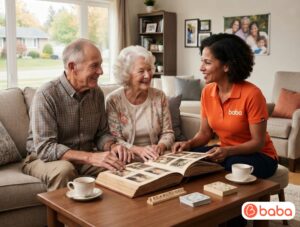
A companion can spend time talking with a senior, playing cards, watching a favourite television program, reading, walking around the neighbourhood, or simply sharing a cup of tea.
The City of Markham works with older adult clubs that offer activities designed to promote independent living, physical activity, friendship, and community involvement. The Markham Seniors Activity Centre, for example, is home to the Older Adults in Action club and provides activities for older adults.
For seniors who find it difficult to attend these activities alone, companion support can make participation more realistic.
6. Errand Assistance
Small errands can become large obstacles when a senior no longer drives.
A companion may help with everyday errands such as:
• Picking up prescriptions
• Visiting the bank
• Mailing packages
• Picking up household supplies
• Returning items
• Collecting groceries
• Visiting a local shop
• Going to appointments
• Completing personal errands
These tasks may appear simple, but having dependable assistance can reduce stress for both seniors and their families.

Home Care and Companion Care Are Not the Same
One of the most important things families should understand is that companion care is not the same as medical home care.
Medical and professional home care may involve health professionals or personal support workers providing services based on assessed needs.
Companion care is generally focused on practical, social, and everyday assistance.
For example, a companion may drive a senior to an appointment.
A medical professional may provide treatment or clinical care during that appointment or in the home.
A companion may help prepare a simple meal.
A healthcare professional may provide nutrition-related services when clinically appropriate.
A companion may help with light housekeeping.
A healthcare provider may provide personal care or clinical services according to an established care plan.
Knowing this difference can prevent families from choosing a service that does not match their situation.
Ontario Health atHome explains that eligible home care can include professional healthcare and personal support services, while community support services can include transportation, friendly visiting, meal services, social activities, and home help.
Therefore, when a Markham family searches online for “home care for senior,” they should first identify what kind of help the older adult actually needs.
If the need is companionship, transportation, errands, light housekeeping, and social support, a non-medical companion service may be a better fit.
Why Markham Seniors May Benefit From Everyday Support
Markham has a large and diverse older adult population with different lifestyles, family structures, languages, and support needs.
Some seniors live with spouses.
Others live alone.
Some have children nearby.
Others have family members living in different cities or countries.
Some older adults remain highly active.
Others gradually reduce their activities because transportation, household responsibilities, or social isolation become barriers.
The City of Markham operates and supports multiple community facilities and older adult programs. Its older adult clubs provide opportunities for exercise, social interaction, games, arts, cultural activities, and other interests.
But getting to those activities can sometimes be the biggest challenge.
A senior may want to attend a class but cannot drive.
They may want to visit friends but feel uncomfortable taking multiple forms of public transportation.
They may want to go grocery shopping but find carrying bags difficult.
They may want to stay home but appreciate having someone visit regularly.
In these situations, practical companion support can help bridge the gap between wanting to remain independent and actually being able to do so.
How to Identify the Right Home Support for a Senior in Markham
Finding the right support begins by looking at everyday routines.
Families often notice changes gradually.
A parent may still appear independent, but certain activities become increasingly difficult.
Perhaps grocery shopping takes much longer.
Perhaps the parent has stopped attending social activities.
Perhaps the house is not as organized as it used to be.
Perhaps family members are spending several hours every weekend handling errands and transportation.
These signs do not necessarily mean a senior needs medical care.
They may indicate that practical support would improve quality of life.
A simple needs assessment can help families identify the right type of assistance.
Ask questions such as:
• Does the senior still drive comfortably?
• Can they get groceries without difficulty?
• Are household chores becoming exhausting?
• Do they have regular opportunities for social interaction?
• Can they attend appointments independently?
• Are errands becoming a burden?
• Would regular companionship make them feel more connected?
• Is the family struggling to provide transportation?
• Does the senior want help while still making their own decisions?
The answers can reveal whether companion support, community services, professional home care, or a combination of resources makes the most sense.
When Transportation Becomes the Main Need
Transportation is often one of the first areas where families notice a change.
A senior may technically be capable of driving but prefer not to.
Winter weather, traffic congestion, unfamiliar roads, parking, and longer distances can make driving stressful.
A private senior companion can offer a more personalized alternative.
Instead of simply dropping someone at a destination, the companion can help make the entire outing easier.
For example:
The senior is picked up at home.
The companion helps them enter the vehicle.
They travel together to the destination.
The companion can wait when appropriate.
The senior completes the activity.
The companion assists with bags or belongings.
They return home together.
This type of support can be particularly useful for seniors who value independence but no longer want to manage every part of an outing alone.
Families should also consider publicly available transportation options. York Region lists several transportation resources for seniors, including YRT On-Request 65+ and community-based transportation services.
The best choice depends on the senior’s mobility, destination, schedule, budget, and need for personal assistance.
Supporting Seniors With Grocery Shopping
Grocery shopping is another common reason families look for home support.
A senior may be able to shop independently but struggle with transportation.
Another may be comfortable driving but find lifting heavy bags difficult.
Others may simply appreciate having someone accompany them.
Companion shopping assistance can be designed around the senior rather than replacing them.
That means the senior can choose their preferred foods, brands, quantities, and shopping schedule.
The companion provides practical support.
This approach can help preserve independence.
It also gives families confidence that essential errands are being completed regularly.
Light Housekeeping for Older Adults
Household maintenance does not have to become an all-or-nothing responsibility.
Many seniors can continue doing the tasks they enjoy while receiving help with more physically demanding chores.
For example, a senior might continue cooking, organizing personal belongings, or caring for plants while receiving assistance with vacuuming, laundry, changing linens, or general tidying.
This is particularly helpful when the goal is aging in place.
Ontario identifies homemaking and community support as part of the broader range of services that can help people remain at home, with specific eligibility and funding rules depending on the service.
Families should therefore clarify exactly what a private companion service provides and how that differs from publicly funded home care.
Companionship and Social Connection
Aging at home should not mean becoming isolated at home.
Many older adults want regular social interaction but may have fewer opportunities after retirement, changes in mobility, the loss of a spouse, or changes in their social circle.
Companion services can provide regular human connection.
A companion might:
• Have a conversation over coffee
• Play cards or board games
• Accompany a senior on a walk
• Visit a local library
• Attend a community activity
• Accompany the senior to a café
• Help the senior visit friends
• Attend a recreational program together
• Provide company during an afternoon at home
The goal is not to treat companionship as a medical intervention.
It is about making everyday life more enjoyable and socially connected.
Markham provides numerous opportunities for older adults through community centres and older adult clubs. The City lists programs ranging from exercise and yoga to bridge, badminton, dancing, art, cultural activities, and social events.
For a senior who has difficulty getting to these activities independently, companionship and transportation can work together.

Community Resources in Markham and York Region
Families do not have to rely on one service for every need.
A stronger support plan may combine different resources.
The City of Markham provides older adult programming through community centres and seniors clubs. Its Markham Seniors Activity Centre serves as a major community hub for older adults.
York Region provides senior-focused programs designed to promote health, well-being, safety, and independence. Its services include adult day programs, long-term care information, support services, transportation options, and navigation resources.
Ontario Health atHome can assess eligible individuals for government-funded home and community care and may connect families with other community resources when appropriate.
Ontario also points seniors and families toward 211 Ontario for community and social services across the province.
This means a family could potentially combine:
• Public transportation resources
• Community senior programs
• Professional home care
• Private companion services
• Family assistance
• Meal services
• Social programs
• Respite resources
The objective is to create a support network that fits the senior’s lifestyle.
What Families Should Look For in a Companion Service
Not every companion service operates in the same way.
Before choosing a provider, families should ask clear questions.
Is the service non-medical?
If the senior does not require healthcare, make sure the provider specializes in practical and companion support rather than offering services that do not match the family’s needs.
Does the service include transportation?
If driving is important, ask whether transportation is available and whether the companion can assist during the outing.
What household tasks are included?
“Housekeeping” can mean different things.
Ask whether the service includes laundry, vacuuming, tidying, dishes, changing linens, or grocery assistance.
Can the senior participate in activities?
Companionship should ideally support independence rather than remove it.
Ask whether the companion can accompany the senior to community centres, shopping trips, social events, appointments, and recreational activities.
Is scheduling flexible?
Senior needs can change.
Some families need a few hours per week.
Others may need more frequent visits.
A flexible schedule can make the service easier to maintain.
Is the companion a good personality fit?
This may be one of the most important factors.
A senior is more likely to enjoy a service when they feel comfortable with the person providing it.
Trust, patience, communication, and respect matter.
How Companion Services Can Help Family Caregivers
Family members often want to help their parents but cannot be available every day.
Work schedules, children, commuting, travel, and other responsibilities can make regular support difficult.
A companion service can provide another layer of assistance.
For example, a daughter might normally drive her mother to the grocery store every Saturday.
If that becomes difficult because of work, a companion could take over the transportation while the daughter remains involved in other ways.
Another family may have a parent who needs someone to spend time with them during weekday afternoons.
A companion can provide that regular presence.
This does not mean family members are abandoning their responsibilities.
Instead, it can create a more sustainable support system.
The family remains connected while practical tasks are shared.
Aging in Place With More Confidence
Aging in place is often about maintaining control.
Seniors may want to remain in familiar surroundings.
They may prefer their own kitchen, bedroom, neighbourhood, routines, friends, and community.
Small amounts of practical assistance can sometimes make this possible for longer.
A ride to the grocery store can prevent an unnecessary loss of independence.
Help with laundry can make household responsibilities more manageable.
A companion for an afternoon outing can make social activities accessible again.
Regular visits can give families greater peace of mind.
These services do not have to be complicated.
Sometimes the most useful support is simply reliable help with the ordinary tasks of life.
How to Build a Personalized Support Plan
A good support plan should be based on what the senior actually wants.
Start with the senior’s routine.
Identify the activities they enjoy.
Then identify the activities that have become difficult.
For example:
Need: Grocery shopping has become difficult.
Possible support: Transportation and grocery companionship.
Need: Housework is becoming tiring.
Possible support: Light housekeeping.
Need: The senior rarely leaves home.
Possible support: Companion visits and escorted outings.
Need: Family members cannot provide weekly transportation.
Possible support: Senior transportation and driving assistance.
Need: The senior wants to attend community activities.
Possible support: Transportation and event companionship.
This approach avoids paying for services that are unnecessary.
It also helps seniors feel that the support is designed around them.
Frequently Asked Questions
1. What services are commonly included in non-medical home care for seniors in Markham?
Non-medical support can include companionship, senior transportation, grocery shopping assistance, errands, light housekeeping, simple meal support, and accompaniment to social or community activities. The exact services depend on the provider and should be confirmed before booking.
Ontario also recognizes community support services such as transportation, friendly visiting, meal services, home help, social programs, caregiver respite, and home maintenance.
2. Does a senior need medical care to benefit from home support?
No. A senior may be physically and medically independent but still benefit from practical assistance.
For example, they may need help driving, shopping, maintaining the home, attending activities, or having regular companionship.
Professional home healthcare and non-medical companion support serve different purposes. Families should choose the type of service that corresponds to the senior’s actual needs.
Final Thoughts: Choosing Home Care Support in Markham
When families search for “Home Care in Markham : What Services Are Available for Seniors?”, the answer is broader than medical care.
Home support can range from professional healthcare and personal support to transportation, housekeeping, meal assistance, friendly visiting, community programs, and companionship.
The most appropriate choice depends on the senior’s individual situation.
Some older adults need professional medical services.
Others primarily need help with everyday tasks.
Many need a combination of resources.
For seniors who want to remain independent at home, non-medical companion support can be particularly valuable. A trusted companion can help with transportation, grocery shopping, errands, light housekeeping, simple meal support, and social activities without taking away the senior’s ability to make their own choices.
That distinction is important.
The purpose of companion care is not to make every decision for the senior.
It is to make everyday life easier while preserving dignity, independence, and personal choice.
Markham offers a strong network of community resources for older adults, including City of Markham programs, older adult clubs, York Region services, transportation resources, and Ontario-wide home and community care programs.
For families, the best approach is to start with a simple question:
What does my loved one need help with right now?
If the answer is driving, grocery shopping, errands, light housekeeping, social outings, or companionship, practical senior support may be exactly what the family has been searching for.
In many cases, the right assistance does not need to replace independence.
It can help make independence possible.
For Markham seniors who want to continue living at home, staying connected to their neighbourhood, maintaining familiar routines, and enjoying everyday activities, Home Care for Senior Services can be part of a broader support strategy that puts comfort, independence, and quality of life first.
Families should always clarify whether a provider offers medical care, personal support, homemaking, transportation, or non-medical companionship before arranging services. Understanding that difference makes it easier to find support that truly fits the senior’s needs.
Ultimately, good senior care is not about doing everything for an older adult.
It is about providing the right help at the right time.
A ride when driving becomes difficult.
A helping hand during grocery shopping.
Assistance with household chores.
Company during a quiet afternoon.
Support getting out into the community.
These seemingly simple services can make a meaningful difference in how confidently a senior continues to live at home.
For Markham families exploring Home Care for Senior Services, the most effective solution is often one that respects the senior’s routines, preferences, culture, independence, and personal goals while giving family members additional peace of mind.
The right support should help a senior feel more capable, not less.
And when practical assistance is thoughtfully matched to everyday needs, aging at home can remain a comfortable, connected, and empowering experience.
Choose the support that fits your needs. BabaTap provides flexible, non-medical companion and everyday support services for older adults, available by the hour in Markham. Friendly visits, conversation and emotional support. Safe rides to appointments, shopping and errands. Help with groceries, errands and everyday essentials. Friendly check-ins for comfort, connection and reassurance. Fresh, simple meal preparation and everyday kitchen support. Light housekeeping and help keeping the home organized. Companion support during hospital visits and care waits. Companionship for walks and light activity to stay active. Flexible non-medical support for everyday life at home. Meaningful companionship and non-medical senior support. BabaTap focuses on flexible, non-medical senior support. Service availability may vary by city and BabaTap provider.BabaTap Services by the Hour in Markham

Friendly Companion

Transportation

Grocery & Errands

Check-in Visits

Meal Preparation

Light Home Support

Hospital Companion

Walk & Exercise

Home Care

Companion Care
Bài viết liên quan: