
Best Medical Transportation Services for Seniors in Grande Prairie. As seniors in Grande Prairie continue to prioritize independence, health, and quality of life, reliable transportation has become an increasingly important part of accessing healthcare. Finding the Best Medical Transportation Services for Seniors can make a significant difference for older adults who need dependable rides to medical appointments, hospitals, specialist consultations, rehabilitation sessions, diagnostic testing, pharmacies, and follow up visits. In Grande Prairie, healthcare access may involve traveling across the city or coordinating appointments around the schedules of family members and caregivers. A professional senior transportation option can help reduce the stress associated with these journeys while providing a more comfortable and supportive travel experience. Grande Prairie Regional Hospital is a major healthcare destination in the community, providing acute and outpatient care, emergency services, surgery, mental health services, intensive care, pediatrics, and the Grande Prairie Cancer Centre. For seniors who cannot safely drive, do not have access to a vehicle, or prefer assistance when traveling, medical transportation can provide an important bridge between home and healthcare. Grande Prairie also has accessible public transportation options, including Grande Prairie Accessible Transit, a door to door shared transportation service designed for people whose disabilities make conventional fixed route transit difficult to use. However, many families may still look for personalized transportation that is focused specifically on the needs of older adults. From scheduled appointment rides and mobility assistance to waiting for a passenger after a consultation, senior focused transportation can offer a more personalized alternative to ordinary transportation. This guide explains what families should look for when comparing Best Medical Transportation Services for Seniors in Grande Prairie, what makes a transportation provider dependable, and how the right service can help seniors maintain greater confidence and independence when managing their healthcare needs.

Why Medical Transportation Matters for Seniors in Grande Prairie
Getting to a medical appointment may sound simple, but transportation can become a major challenge as people age.
A senior may have reduced mobility, difficulty walking long distances, vision limitations, balance concerns, or simply feel uncomfortable driving in unfamiliar areas. Winter weather can make these challenges even more noticeable.
For families in Grande Prairie, transportation planning can therefore become an important part of healthcare planning.
A missed appointment is not always easy to reschedule. Some medical appointments require weeks of preparation, while specialist visits, diagnostic procedures, rehabilitation appointments, and follow up consultations may involve several stages of care.
Reliable transportation helps seniors arrive at appointments on time and return home safely.
It can also reduce the pressure placed on adult children and other family caregivers who may have demanding work schedules or live outside Grande Prairie.
What Makes a Medical Transportation Service Suitable for Seniors?
Not every transportation provider is designed around the needs of older adults.
A standard taxi may provide transportation from one location to another, but seniors may sometimes need additional assistance before and after the ride.
When families compare transportation providers, they should consider several important factors.
Reliability
Medical appointments often operate according to strict schedules.
A dependable provider should emphasize punctual pickups, clear communication, and organized scheduling.
For seniors, arriving early can be much more comfortable than rushing into a hospital or clinic.
Reliable transportation also helps family members feel more confident that their loved one has a plan for getting to and from the appointment.
Comfort
Medical appointments can already be tiring.
The transportation experience should not add unnecessary physical or emotional stress.
A comfortable vehicle, a calm driver, adequate space, and a smooth travel experience can make a meaningful difference.
For longer appointments or specialist visits, comfort becomes particularly important.
Mobility Support
Some seniors can walk independently but move slowly.
Others may use a cane, walker, wheelchair, or other mobility equipment.
A transportation provider should clearly explain what types of mobility assistance and equipment can be accommodated.
Families should communicate these requirements when scheduling a ride rather than assuming that every vehicle can accommodate every mobility need.
Door to Door Convenience
One of the most valuable features of senior transportation is door to door service.
Instead of asking an older adult to walk from a distant parking area or bus stop, a personalized transportation service can make the journey easier by coordinating pickup and drop off locations.
This can be especially useful when a senior is experiencing fatigue after treatment or has difficulty navigating unfamiliar healthcare facilities.
Grande Prairie Regional Hospital and Senior Transportation
Grande Prairie Regional Hospital is one of the most important healthcare destinations for seniors in the region.
The facility provides a wide range of services, including acute care, outpatient care, emergency services, surgery, intensive care, mental health services, pediatrics, and cancer care.
Its location at 11205 110 Street makes it a frequent destination for medical transportation within Grande Prairie.
For seniors attending this hospital, transportation planning can involve more than simply reaching the building.
A senior may need to arrive early for registration.
They may need assistance getting from the vehicle to an entrance.
They may have an appointment that lasts several hours.
They may also need transportation home after receiving treatment.
For these situations, families should look beyond basic point to point transportation and consider services that understand the practical needs of older passengers.
Grande Prairie Regional Hospital also provides accessibility features including elevators, designated accessible parking, and accessible washrooms.
These features can make the facility easier to navigate, but getting safely from home to the hospital remains an important part of the overall journey.
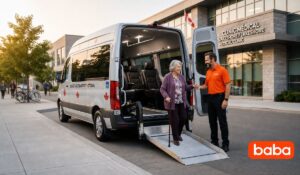
Medical Transportation for Specialist Appointments
Many seniors require ongoing appointments with specialists.
Depending on their healthcare needs, they may visit specialists for cardiology, oncology, orthopedics, neurology, ophthalmology, rehabilitation, or other areas of care.
Specialist appointments can sometimes require additional preparation.
A senior may need to arrive early, bring medical documents, complete testing, or remain at the facility for several hours.
Transportation should therefore be planned around the appointment rather than treated as an ordinary trip.
Families should provide the transportation provider with the appointment time, pickup location, destination, mobility requirements, and any important scheduling details.
This allows the transportation experience to be more organized from the beginning.
Transportation for Diagnostic Testing
Medical transportation can also be useful for diagnostic appointments.
Seniors may need transportation for imaging, laboratory services, cardiac testing, cancer screening, rehabilitation assessments, and other healthcare procedures.
Some procedures may leave an older adult tired or uncomfortable.
In these circumstances, arranging transportation in advance can reduce the need for the senior to drive themselves.
It can also reduce dependence on family members who may not be available during business hours.
A dependable ride can provide greater peace of mind before and after the appointment.
Transportation for Cancer Care
Cancer care can involve repeated visits over an extended period.
For seniors receiving cancer related services, transportation may become part of their regular healthcare routine.
The Grande Prairie Cancer Centre is located within Grande Prairie Regional Hospital.
Repeated appointments can make transportation particularly important.
A family may initially provide every ride, but this arrangement can become difficult when appointments occur multiple times each week.
Professional transportation can provide another option for families seeking a consistent way to manage scheduled healthcare trips.
The goal is not simply to move the passenger between two locations.
It is to create a predictable transportation routine that helps the senior focus on their appointment rather than worrying about how they will get there.
Accessible Transportation Options in Grande Prairie
Grande Prairie already has public transportation options designed to improve accessibility.
The City of Grande Prairie provides an Accessible Transit application process for individuals whose physical or cognitive abilities make conventional bus transportation difficult.
Grande Prairie Accessible Transit is described as a door to door shared transit service for people with permanent or temporary disabilities that prevent them from using fixed route transit without assistance. The service includes wheelchair lifts on accessible transit buses.
This can be an important resource for eligible residents.
However, families should understand the differences between public accessible transit and private senior focused medical transportation.
Public transportation may operate according to established schedules and eligibility requirements.
A private medical transportation service may provide a more individualized experience, depending on the provider.
For example, families may prioritize direct transportation, flexible scheduling, assistance with entering or leaving the vehicle, or transportation arranged specifically around medical appointments.
The best choice depends on the senior’s mobility, appointment requirements, budget, and level of independence.
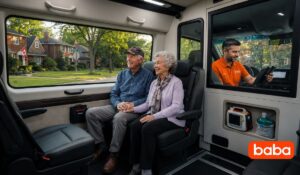
Private Medical Transportation vs. Regular Taxi Service
A regular taxi can be useful for simple transportation needs.
However, medical appointments can involve additional considerations.
A senior may need more time getting into the vehicle.
They may have mobility equipment.
They may need help understanding where to go after arriving.
They may also require a return ride after the appointment.
This is why families often compare specialized senior transportation with ordinary taxi services.
A medical transportation provider that focuses on older adults may be better positioned to understand these practical considerations.
For example, the driver may be accustomed to allowing additional boarding time and communicating clearly with passengers.
Families should always ask the provider exactly what assistance is included rather than assuming that every service offers the same level of support.
How Family Members Can Arrange a Medical Ride
Planning transportation in advance can make the experience much easier.
Start by identifying the exact appointment details.
Write down:
The senior’s full pickup address
The date of the appointment
The appointment time
The healthcare facility
The expected appointment duration
The preferred return time
Mobility requirements
Whether a walker or wheelchair is being used
Whether a family member or caregiver will accompany the senior
Any special instructions the transportation provider needs to know
Having these details available can reduce scheduling mistakes.
It also gives the provider enough information to determine whether the requested vehicle and service are appropriate.
The Importance of Punctuality
For seniors, punctuality is more than a convenience.
Arriving late may create stress, particularly when the passenger is already anxious about a medical procedure.
A transportation provider should have a clear process for scheduled pickups.
Families should ask how early the vehicle normally arrives and what happens if there is unexpected traffic or a weather related delay.
Building a reasonable time buffer into the transportation schedule is often helpful.
For important medical appointments, arriving slightly early can be preferable to scheduling a pickup that leaves no room for unexpected delays.

Winter Transportation for Seniors in Grande Prairie
Winter deserves special consideration when arranging transportation for older adults.
Cold temperatures, snow, ice, reduced visibility, and slippery surfaces can make ordinary travel more difficult.
A short walk from a parking area to a building entrance may become uncomfortable or unsafe.
This is one reason door to door transportation can be particularly valuable during the colder months.
Families should ask transportation providers about winter scheduling, vehicle preparedness, pickup procedures, and what happens during significant weather disruptions.
Seniors should also dress appropriately for outdoor exposure, even when they expect to spend most of the journey inside a vehicle.
The goal is to minimize the amount of time spent waiting outside.
Transportation for Seniors Who Live Alone
Seniors who live alone may face additional transportation challenges.
They may not have a spouse, adult child, or neighbour available to drive them.
A scheduled transportation service can help create greater independence.
Instead of cancelling an appointment because nobody is available to provide a ride, the senior can arrange transportation ahead of time.
This can be especially valuable for routine appointments that occur throughout the year.
Maintaining access to healthcare can also support a senior’s broader sense of independence.
Transportation is therefore not merely a logistical service.
It can be an important part of helping older adults remain connected to their healthcare providers and community.
Transportation for Seniors Living in Retirement Communities
Residents of retirement communities may also require transportation to medical appointments.
Although some communities offer transportation options, availability may vary.
Appointments outside regular schedules can create additional challenges.
A private transportation provider can potentially supplement existing transportation arrangements when a senior needs another option.
When arranging transportation for a retirement community resident, families should confirm whether the driver can meet the passenger at the building entrance, whether staff need to be notified, and whether the senior requires assistance during boarding.
Clear communication between the family, residence, and transportation provider can help create a smoother experience.
What Families Should Ask Before Booking
Before choosing a provider, families should ask several practical questions.
Does the service specialize in senior transportation?
Can the vehicle accommodate walkers or wheelchairs?
Is door to door transportation available?
Can the driver assist with boarding?
How are medical appointment pickups scheduled?
Can the driver wait during an appointment?
Is return transportation available?
How much advance notice is recommended?
What happens if the appointment runs longer than expected?
How are cancellations handled?
What information should the family provide when booking?
These questions can help families understand exactly what they are paying for.
The goal is to select a transportation service that matches the senior’s actual needs rather than simply choosing the cheapest available ride.

Choosing the Right Level of Assistance
Not every senior needs the same level of support.
One passenger may simply need a reliable ride.
Another may need assistance walking from the doorway to the vehicle.
A third may require transportation that accommodates a wheelchair.
Understanding the difference is important.
Families should assess the senior’s actual mobility and independence before booking.
If the passenger requires medical monitoring, stretcher transportation, emergency care, or clinical support during transportation, ordinary senior transportation may not be appropriate.
Emergency medical situations should be handled through the appropriate emergency healthcare system rather than a routine transportation provider.
A More Comfortable Approach to Healthcare Travel
The right transportation arrangement can make medical appointments feel less complicated.
Instead of worrying about parking, driving, weather conditions, or finding a ride home, seniors can focus on their healthcare visit.
For family members, reliable transportation can reduce the pressure of coordinating every appointment personally.
This can be particularly valuable for families balancing employment, childcare, household responsibilities, and long distance caregiving.
Professional senior transportation does not replace family involvement.
Instead, it can provide additional support when family members cannot be physically present for every appointment.
What to Look for in the Best Senior Medical Transportation Provider
When searching for the Best Medical Transportation Services for Seniors, families should focus on reliability, safety, communication, accessibility, comfort, and customer care.
A good transportation experience begins before the vehicle arrives.
The booking process should be straightforward.
The provider should understand the passenger’s needs.
The driver should know where the passenger is going.
The vehicle should be suitable for the passenger’s mobility requirements.
And the return journey should be considered as carefully as the initial pickup.
Families should also look for transparent pricing.
Unexpected fees can make transportation difficult to budget for, especially when medical appointments occur regularly.
Ask whether pricing is based on distance, time, waiting, mobility assistance, or other factors.
Clear information before booking helps families make informed decisions.
Building a Reliable Medical Transportation Routine
For seniors with recurring appointments, establishing a transportation routine can be especially helpful.
Instead of arranging a completely different ride for every appointment, families can work with a dependable provider whenever possible.
This creates familiarity.
The senior becomes more comfortable with the process.
Family members know what to expect.
Appointments can be added to a transportation calendar.
This approach can be particularly useful for seniors who have regular rehabilitation, specialist, cancer care, dialysis, or follow up appointments.
A predictable routine can turn transportation from a recurring source of stress into a manageable part of healthcare planning.
How to Compare Medical Transportation Services in Grande Prairie
Choosing transportation for an older adult should be approached carefully, especially when the ride is connected to healthcare.
Families may find several transportation options available in Grande Prairie, but services can differ considerably in terms of scheduling, accessibility, assistance, vehicle types, pricing, and customer support.
The Best Medical Transportation Services for Seniors should be evaluated according to the passenger’s individual needs rather than simply based on the lowest advertised price.
A senior who walks independently may need only a comfortable ride to a doctor’s office.
Another passenger may use a walker and require additional time when entering and leaving the vehicle.
Someone else may need wheelchair accessible transportation or assistance coordinating a return trip after a lengthy medical appointment.
Understanding these differences helps families select a service that is appropriate for the senior.
Safety Should Always Come First
Safety is one of the most important considerations when arranging transportation for an older adult.
Seniors can have different mobility levels, and transportation providers should be prepared to accommodate reasonable passenger needs.
Families should ask how passengers are assisted during boarding and exiting.
They should also confirm whether mobility devices can be transported securely.
A safe transportation experience should include careful driving, appropriate passenger assistance, clear communication, and a vehicle that is suitable for the passenger.
Safety also involves planning.
The driver should know the correct pickup address and destination.
If the senior lives in an apartment building, condominium, assisted living residence, or retirement community, families should provide clear instructions regarding the entrance.
Small details can prevent unnecessary confusion on the day of an appointment.
Wheelchair and Walker Transportation
Mobility equipment is an important consideration for many seniors.
Walkers, canes, wheelchairs, and other mobility aids can make independent transportation possible, but they also affect vehicle requirements.
A family should never assume that every transportation vehicle can accommodate a wheelchair or large mobility device.
Before booking, ask the provider about the specific equipment being used.
The type and dimensions of a mobility device may determine which vehicle is appropriate.
For wheelchair users, families should also ask whether the passenger needs to remain in the wheelchair during transportation or whether they are able to transfer into a vehicle seat.
Providing accurate information allows the transportation provider to prepare appropriately.
Transportation for Routine Doctor Appointments
Not every medical ride involves a hospital.
Seniors may regularly visit family physicians, walk in clinics, dental offices, pharmacies, physiotherapy providers, optometrists, and other healthcare professionals.
These routine appointments can become frequent as people age.
A reliable transportation option can help seniors maintain their regular healthcare schedules.
For example, a senior may need transportation every few weeks for physiotherapy or several times a year for routine medical checkups.
Rather than depending on family members for every trip, scheduled transportation can provide another practical option.
Transportation for Physiotherapy and Rehabilitation
Rehabilitation appointments can be particularly important for seniors recovering from injury, surgery, or reduced mobility.
Physiotherapy may require multiple visits over several weeks.
This creates a transportation challenge for families who cannot provide repeated rides.
A transportation provider can help seniors travel consistently to rehabilitation appointments.
The return trip may be especially important after a physically demanding therapy session.
A senior may feel tired after treatment, making independent driving less desirable.
Arranging transportation in advance allows the passenger to concentrate on recovery rather than worrying about the journey home.
Transportation for Dialysis and Recurring Treatment
Some seniors require transportation to recurring medical treatments.
When appointments happen several times each week, transportation becomes part of the person’s regular routine.
Dialysis is one example where dependable scheduling can be particularly important.
Families should discuss recurring appointment transportation with the provider in advance.
They should explain the frequency of appointments, typical appointment duration, mobility needs, and preferred pickup arrangements.
A consistent transportation schedule can make recurring healthcare trips easier to manage.
Because treatment schedules can change, communication is important.
Families should update the provider whenever appointment times or locations change.
Transportation After Medical Procedures
Some medical procedures can leave seniors tired or temporarily less comfortable.
After a procedure, an older adult may not feel confident driving.
Even if they normally drive independently, having someone else handle transportation can provide greater peace of mind.
Families should ask healthcare providers whether the senior requires an escort or specific transportation arrangements after the procedure.
Not all transportation providers are equipped to handle passengers who require medical monitoring or clinical care.
Routine senior transportation should not be confused with ambulance or specialized patient transfer services.
Understanding the distinction helps families choose an appropriate option.
The Role of Caregivers
Caregivers often coordinate transportation for seniors.
However, caregivers may not always be available to drive.
Work commitments, family responsibilities, distance, and other obligations can make it difficult to accompany an older adult to every appointment.
Professional transportation can provide additional support.
A caregiver can arrange the ride, communicate appointment details, and confirm the pickup location.
Depending on the service, the caregiver may also be able to receive updates regarding transportation arrangements.
This can be particularly useful for families who live outside Grande Prairie but continue to coordinate healthcare for an aging parent or relative.
Supporting Seniors Who Value Independence
Many older adults want to remain independent for as long as possible.
Needing transportation does not necessarily mean that a senior wants family members to take over every aspect of their daily life.
A dependable transportation option can help preserve a sense of independence.
The senior can continue attending medical appointments without always depending on a son, daughter, neighbour, or friend for transportation.
This can contribute to confidence and dignity.
Transportation should therefore be viewed as more than a practical service.
For some seniors, it is one of the tools that helps them remain active and connected to their community.
How Transportation Can Reduce Family Stress
Family caregivers often experience stress when trying to coordinate multiple responsibilities.
An adult child may need to work during the same hours as a parent’s medical appointment.
Another family member may live in another city.
A spouse may have their own healthcare needs.
In these situations, finding a dependable transportation solution can reduce scheduling conflicts.
Instead of cancelling an important appointment because nobody can provide a ride, the family can explore available transportation alternatives.
This does not eliminate the caregiver’s responsibilities.
Instead, it can make those responsibilities more manageable.
Planning Transportation in Advance
Advance planning is especially valuable for important appointments.
Families should avoid waiting until the morning of a medical appointment whenever possible.
Booking earlier gives the provider more time to understand the passenger’s needs and determine vehicle availability.
For recurring appointments, families may benefit from establishing a regular schedule.
A transportation calendar can include:
Appointment date
Appointment time
Pickup address
Healthcare destination
Expected return time
Mobility requirements
Passenger contact information
Emergency contact information
Caregiver contact information
Keeping these details organized can make transportation coordination easier.
Same Day Transportation Needs
Sometimes medical appointments are scheduled with limited notice.
A senior may need to see a doctor because of a new concern, or an appointment may be moved unexpectedly.
In these situations, families can contact transportation providers to ask about availability.
However, same day availability should never be assumed.
Transportation capacity can vary according to demand, vehicle availability, time of day, and passenger requirements.
For urgent or emergency medical situations, families should use the appropriate emergency healthcare resources rather than relying on routine transportation.
Understanding Transportation Costs
Medical transportation costs can vary according to several factors.
Distance is one common consideration.
The type of vehicle required can also influence pricing.
Additional factors may include waiting time, special mobility requirements, multiple destinations, or extended appointment durations.
Because pricing structures differ among providers, families should ask for a clear explanation before booking.
Useful questions include:
What is the base transportation rate?
Is pricing based on distance or time?
Are there additional waiting charges?
Is wheelchair transportation available?
Are there extra charges for mobility assistance?
Is the return journey included?
What happens if an appointment takes longer than expected?
Are cancellation fees applicable?
Clear answers make it easier to compare transportation options fairly.
Is the Cheapest Service Always the Best Choice?
Price matters, especially for seniors who require transportation regularly.
However, the lowest price does not necessarily represent the best overall value.
A very inexpensive ride may not provide the accessibility features, scheduling flexibility, comfort, or assistance that an older adult needs.
Families should consider the complete transportation experience.
A dependable provider that arrives on time, communicates clearly, accommodates mobility requirements, and provides a comfortable ride may offer greater value than a cheaper service that does not meet the passenger’s needs.
The right choice should balance affordability with reliability and suitability.
Transportation for Family Members Accompanying Seniors
Some seniors may prefer to have a family member accompany them.
This can be helpful when the appointment involves complicated information, multiple healthcare providers, or important treatment decisions.
Families should ask whether an additional passenger can accompany the senior.
They should also provide this information when booking.
Vehicle capacity may vary, particularly when mobility equipment is involved.
Planning ahead helps prevent problems on the day of the appointment.
Communication Is an Important Part of Good Service
Clear communication can make medical transportation much easier.
A provider should be able to communicate important scheduling information with the passenger or caregiver.
Families should provide accurate contact information and explain any changes as soon as possible.
If the appointment time changes, the transportation provider should be informed promptly.
If the senior will use a wheelchair instead of a walker, that should also be communicated.
Good communication reduces misunderstandings and allows the transportation plan to adapt when circumstances change.
Preparing a Senior for the Ride
Seniors can also take several simple steps to prepare for transportation.
Keep the appointment information accessible.
Have identification and relevant healthcare documents ready.
Bring medications or other items recommended by the healthcare provider.
Wear comfortable clothing appropriate for the weather.
Keep mobility equipment accessible.
Have a phone available if communication is needed.
Arrive at the pickup location at the agreed time.
For seniors who experience anxiety about transportation, explaining the process beforehand can be helpful.
Knowing when the vehicle will arrive, where they are going, and how they will return home can make the experience more comfortable.
Transportation During Poor Weather
Grande Prairie’s weather can create transportation challenges during winter and other periods of difficult road conditions.
Snow and ice may increase travel times.
Families should allow additional time for important appointments during challenging weather.
Transportation providers may also adjust schedules when road conditions become unsafe.
Seniors should avoid standing outside for extended periods during very cold weather.
If possible, they should remain indoors until the vehicle arrives and follow the provider’s pickup instructions.
Weather related planning is another reason why communication between the passenger, caregiver, and transportation provider is important.
Transportation for Seniors With Cognitive Challenges
Some older adults may experience memory or orientation difficulties.
In such situations, transportation arrangements may require additional planning.
Families should communicate relevant information to the provider while respecting the senior’s privacy and dignity.
A senior who may become confused in unfamiliar environments may benefit from clear pickup instructions and a predictable transportation routine.
Depending on the individual’s circumstances, a family member or caregiver may need to accompany them.
Transportation providers should not be expected to provide medical supervision unless the service specifically offers that type of care.
Privacy and Respect
Medical transportation involves sensitive personal circumstances.
A senior may be traveling to an oncology appointment, mental health appointment, specialist consultation, or another private healthcare service.
Passengers deserve respectful treatment.
Transportation staff should communicate professionally and avoid discussing personal information unnecessarily.
Families should also provide only the information required to arrange safe and appropriate transportation.
Respecting privacy is an important part of creating a positive experience for older adults.
How to Create a Transportation Checklist
A simple checklist can make recurring medical transportation easier.
Before each appointment, confirm:
The appointment date
The appointment time
The healthcare destination
The pickup address
The requested pickup time
The passenger’s mobility needs
The required mobility equipment
The return transportation arrangement
The caregiver’s contact information
Any special instructions
This checklist can be saved digitally or printed for family members.
For seniors with multiple appointments, keeping a monthly healthcare transportation calendar can also help.
Questions to Ask a Transportation Provider
Families comparing medical transportation options in Grande Prairie can use the following questions:
Does your service specialize in senior passengers?
Do you offer transportation to hospitals and clinics?
Can you accommodate walkers and wheelchairs?
Is door to door transportation available?
Can the driver assist with getting into and out of the vehicle?
Can a caregiver accompany the passenger?
Can transportation be scheduled for recurring appointments?
How much advance notice do you recommend?
Do you provide return transportation?
Can the driver wait during the appointment?
How is pricing calculated?
What is the cancellation policy?
What happens during severe weather?
These questions provide a practical framework for evaluating providers.
Frequently Asked Questions
What are the best transportation options for seniors in Grande Prairie?
The appropriate option depends on the senior’s mobility, appointment requirements, independence, and budget. Grande Prairie has accessible public transportation resources, while private senior transportation providers may offer more personalized scheduling and assistance.
Can seniors use accessible public transit for medical appointments?
Eligible residents may be able to use Grande Prairie Accessible Transit. The City of Grande Prairie describes the service as door to door shared transportation for individuals whose permanent or temporary disabilities make conventional fixed route transit difficult to use. (cityofgp.com)
Can transportation be arranged for Grande Prairie Regional Hospital?
Families can arrange transportation to healthcare destinations such as Grande Prairie Regional Hospital, provided the selected transportation provider offers service to the facility and can accommodate the passenger’s needs.
Can a senior travel with a walker?
Many transportation providers can accommodate walkers, but families should confirm this before booking. Vehicle space and storage arrangements can vary.
Can wheelchair users receive medical transportation?
Accessible transportation may be available, but families should explain the wheelchair type and whether the passenger can transfer into a vehicle seat. This allows the provider to determine the appropriate vehicle.
Should seniors arrange transportation in advance?
Advance booking is generally recommended, especially for important medical appointments, recurring treatments, or rides requiring specialized accessibility features.
Can transportation providers wait during an appointment?
Some providers may offer waiting services, while others may schedule a separate return trip. Families should ask about this when booking because policies and pricing vary.
Is senior transportation the same as an ambulance?
No. Routine senior transportation is intended for transportation needs and is not a substitute for emergency medical transportation. A person experiencing a medical emergency should receive appropriate emergency healthcare assistance.
How can families reduce transportation stress?
Advance scheduling, clear communication, accurate mobility information, and a confirmed return transportation plan can all help reduce stress.
What should families consider when comparing providers?
Important considerations include reliability, accessibility, comfort, safety, communication, scheduling flexibility, pricing transparency, and the provider’s ability to meet the senior’s specific transportation requirements.
A Practical Transportation Plan for Grande Prairie Seniors
A strong transportation plan starts with understanding the senior.
Does the person walk independently?
Do they use a walker?
Do they use a wheelchair?
Do they need someone to accompany them?
Can they navigate a hospital independently?
Will the appointment leave them tired?
Are appointments recurring?
Once these questions are answered, families can identify the appropriate transportation arrangement.
The next step is to identify the healthcare destinations.
For many Grande Prairie seniors, this may include Grande Prairie Regional Hospital, medical clinics, rehabilitation facilities, pharmacies, diagnostic services, specialist offices, and other healthcare locations.
The final step is to establish a reliable schedule.
When transportation becomes predictable, both seniors and caregivers can feel more confident about upcoming medical appointments.
Supporting Healthy Aging Through Reliable Transportation
Transportation is closely connected to independence.
When older adults can reach doctors, specialists, rehabilitation programs, pharmacies, and other healthcare services, they have greater opportunities to maintain regular healthcare routines.
For families, dependable transportation can provide additional support when personal schedules make it difficult to provide every ride.
For seniors, it can provide greater confidence and convenience.
The objective is not simply to get from one location to another.
It is to make healthcare travel more manageable.
A comfortable and dependable ride can reduce unnecessary stress before an appointment and help a senior return home safely afterward.
Final Guide for Families in Grande Prairie
When searching for the Best Medical Transportation Services for Seniors, families should focus on the complete passenger experience.
Look for a provider that understands senior mobility needs, offers appropriate transportation options, communicates clearly, and provides transparent information about scheduling and pricing.
Consider the senior’s current mobility level rather than assuming that every passenger needs the same type of transportation.
Think about both directions of the trip.
The ride to the appointment is only one part of the journey.
The return trip may be equally important, particularly after a procedure, treatment, therapy session, or lengthy consultation.
Families should also consider how transportation will work during winter weather, recurring appointments, unexpected schedule changes, and periods when family caregivers are unavailable.
A thoughtful transportation plan can make healthcare appointments easier to manage while supporting a senior’s independence.
For older adults in Grande Prairie, access to dependable transportation can be an important part of maintaining regular healthcare, staying connected with medical professionals, and continuing to participate in everyday life.
Conclusion
The Best Medical Transportation Services for Seniors are not necessarily defined by one single feature. The right service is the one that matches the senior’s transportation needs, mobility level, healthcare schedule, comfort expectations, and personal circumstances.
Grande Prairie seniors have access to healthcare facilities and community transportation resources, including Grande Prairie Regional Hospital and accessible transit services. For families requiring a more personalized arrangement, private transportation may provide another practical option depending on availability and individual requirements.
Before booking, families should confirm accessibility, scheduling, pricing, vehicle suitability, assistance policies, return transportation, and communication procedures.
With careful planning, medical transportation can become a reliable part of a senior’s healthcare routine rather than a recurring source of stress.
For seniors who want to remain independent and for families who want dependable support, choosing the right transportation arrangement can make every medical journey more comfortable, organized, and manageable.
Bài viết liên quan: