
Best Medical Transportation Services for Seniors in Lethbridge. For older adults, getting to medical appointments safely, comfortably, and on time is an important part of maintaining independence and receiving consistent healthcare. In Lethbridge, Alberta, seniors may need transportation for family doctor appointments, specialist consultations, diagnostic testing, physiotherapy, rehabilitation, dental visits, pharmacy trips, hospital appointments, dialysis, and follow up care. When driving is no longer practical or family members cannot provide transportation, dependable senior transportation can make a meaningful difference. The City of Lethbridge provides public transit and Access A Ride for eligible residents who cannot use conventional transit safely, while community programs also support older adults with transportation needs. For families searching for the Best Medical Transportation Services for Seniors in Lethbridge, the goal should not simply be finding a vehicle. It should be finding a dependable transportation solution that respects mobility limitations, appointment schedules, comfort, dignity, and the individual needs of each senior. Accessible transportation for older adults, door to door transportation, wheelchair accessible transportation, non emergency medical transportation, senior mobility assistance, and transportation for healthcare appointments are all important considerations when comparing available options. Lethbridge is a growing community where accessible mobility plays an important role in helping older residents reach healthcare facilities and remain connected with essential services. Choosing the right transportation provider can reduce stress for seniors and their families while making healthcare appointments easier to manage.

Why Medical Transportation Matters for Seniors
Transportation is often an overlooked part of senior healthcare. A medical appointment may be carefully scheduled, but the appointment cannot provide any benefit if the patient cannot get there.
Older adults may experience changes in mobility, vision, balance, strength, hearing, or confidence that make driving more difficult. Some may still have a driver’s licence but prefer not to drive in unfamiliar areas, during poor weather, or during busy traffic periods. Others may have stopped driving entirely.
Family caregivers can help, but relying exclusively on relatives is not always practical. Adult children may have work responsibilities, childcare commitments, long commutes, or other obligations. When appointments occur frequently, arranging transportation can become a significant source of stress for everyone involved.
Reliable medical transportation gives seniors another option.
Instead of asking a family member to repeatedly take time away from work, families can arrange transportation around the senior’s healthcare schedule. This can be especially valuable for recurring appointments such as rehabilitation, physiotherapy, specialist care, or dialysis.
The City of Lethbridge recognizes accessibility as an important component of community transportation. Its Access A Ride program provides accessible door to door transportation for eligible individuals who cannot use regular public transit safely and with dignity.
This demonstrates why accessible transportation is more than simple convenience. It can support participation in healthcare, community activities, and daily life.
Public Transit and Private Senior Transportation
Lethbridge has several transportation options, and families should understand the differences before choosing a service.
Regular public transit can be useful for seniors who are comfortable walking to stops, boarding buses, navigating routes, and traveling independently. Lethbridge Transit also offers demand response transportation in designated areas.
For eligible riders who cannot safely use conventional transit, Access A Ride provides shared door to door transportation within Lethbridge. The service accommodates wheelchair and non wheelchair users and uses scheduled shared rides rather than operating as a private direct ride.
These public services can be valuable resources.
However, some families may be looking for a more personalized experience, especially when the senior needs additional assistance around the transportation process. A private senior transportation provider may offer a more individualized approach to scheduling and trip coordination.
This distinction matters when choosing among the Best Medical Transportation Services for Seniors.
A senior may need more than transportation from Point A to Point B. They may need help preparing for the trip, getting safely into the vehicle, carrying personal belongings, navigating the entrance of a medical facility, or coordinating the return journey.
The right service should therefore be evaluated according to the senior’s actual needs rather than simply the distance traveled.
What Makes Medical Transportation Different
Medical transportation for seniors is different from an ordinary ride.
A typical transportation service may focus primarily on getting passengers from one location to another. Senior medical transportation requires greater awareness of mobility, timing, comfort, and accessibility.
For example, a senior attending an appointment may be using a walker. Another passenger may use a wheelchair. Someone else may have difficulty standing for long periods. A person recovering from surgery may need extra time when entering or exiting a vehicle.
These considerations can influence the entire transportation experience.
A dependable provider should understand that seniors may need a calm and respectful environment. Drivers should communicate clearly, allow sufficient time for boarding, and avoid rushing passengers.
Appointment timing is another important consideration.
Medical appointments often have strict arrival windows. Arriving too late may mean missing the appointment or waiting weeks for another available time. Transportation providers serving seniors should therefore place strong emphasis on punctuality and trip coordination.
For families, reliability can be just as important as affordability.
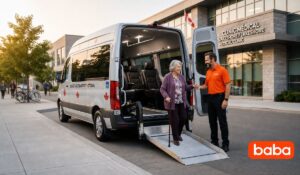
Door to Door Transportation for Older Adults
Door to door transportation can make healthcare appointments easier for seniors who have difficulty walking long distances.
Consider a senior who lives in an apartment building and needs to visit a medical clinic. Using conventional transportation may involve walking to a bus stop, waiting outside, boarding a vehicle, transferring between routes, and walking from the final stop to the clinic.
For someone with limited mobility, this journey may be tiring even before the appointment begins.
Door to door transportation can reduce these challenges by making the journey more direct.
This can be particularly useful during winter conditions. Snow, ice, wind, and cold temperatures can make outdoor travel more challenging for older adults. Lethbridge’s Age Friendly community planning identifies accessible transportation as an important factor in helping seniors reach health and social facilities.
Door to door service may also help seniors conserve energy.
If the primary purpose of the trip is a medical appointment, unnecessary walking and transfers can add physical and emotional strain. A more direct transportation arrangement can make the overall experience more manageable.
Wheelchair Accessible Transportation in Lethbridge
Wheelchair accessibility is an important factor for seniors with permanent or temporary mobility limitations.
A wheelchair user should not have to worry about whether a vehicle can accommodate their mobility equipment. Families should ask transportation providers about vehicle accessibility, wheelchair securement, boarding procedures, and the type of mobility equipment that can be accommodated.
Lethbridge Access A Ride vehicles are designed to transport both wheelchair and non wheelchair users.
Private transportation providers may offer additional options depending on their vehicles and operating policies.
When arranging a ride, families should provide accurate information about the senior’s mobility needs. This can include whether the passenger uses a manual wheelchair, power wheelchair, walker, cane, or other mobility equipment.
Clear information helps the transportation provider prepare appropriately.
Transportation for Medical Appointments
Medical appointments are one of the most common reasons seniors require transportation.
These appointments may include:
Family doctor visits
Specialist consultations
Hospital appointments
Diagnostic imaging
Laboratory testing
Physiotherapy
Occupational therapy
Rehabilitation
Dental appointments
Hearing care
Vision care
Pharmacy visits
Follow up appointments
Recurring treatment appointments
Each type of appointment can create different transportation requirements.
A senior visiting a family doctor may only need a short trip. Someone attending physiotherapy may have weekly or multiple weekly appointments. Another senior may require transportation to a hospital located farther from home.
A good transportation plan should account for the entire appointment schedule rather than treating each trip as an isolated event.
For recurring healthcare needs, families may benefit from arranging transportation in advance whenever possible.
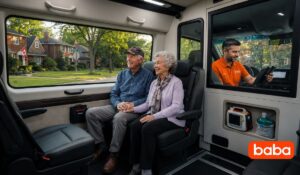
Supporting Seniors Who No Longer Drive
Giving up driving can be an emotional transition for many older adults.
Driving often represents freedom, independence, and control. When seniors stop driving, they may worry that they are becoming dependent on others.
Reliable transportation can help reduce this feeling.
Instead of viewing transportation as something that takes independence away, families can present it as another way for seniors to remain independent.
A senior who has reliable transportation can continue attending appointments without waiting for a family member to become available.
This can also make it easier for older adults to maintain relationships with healthcare professionals.
Consistent access to medical appointments can support continuity of care. Transportation therefore becomes part of a broader strategy for helping seniors remain active and connected.
The Role of Family Caregivers
Family caregivers often coordinate transportation, appointments, medications, household responsibilities, and other daily needs.
Transportation can become particularly challenging when several appointments occur during the same week.
For example, an older parent might have a doctor’s appointment on Monday, physiotherapy on Wednesday, and a specialist appointment on Friday. If the caregiver must personally provide transportation for every trip, the schedule can quickly become difficult to manage.
Professional senior transportation can provide additional flexibility.
Families can remain involved without having to physically drive the senior to every appointment.
This can be especially helpful for adult children who live outside Lethbridge or have demanding work schedules.
A transportation provider can become part of the senior’s support network while family members continue to provide emotional and practical support in other ways.
Choosing the Right Transportation Provider
Families comparing Best Medical Transportation Services for Seniors should look beyond price.
The cheapest option is not necessarily the most appropriate option for an older adult with mobility challenges.
Important factors include reliability, accessibility, communication, scheduling flexibility, driver professionalism, vehicle suitability, and the ability to understand senior-specific needs.
Families should ask questions before booking.
Is the vehicle wheelchair accessible?
Can the service accommodate walkers?
How far in advance should rides be booked?
Can recurring medical appointments be scheduled?
What happens if an appointment runs late?
Can a family member accompany the senior?
Does the service provide door to door transportation?
How are mobility devices handled?
Is the transportation appropriate for non emergency medical appointments?
These questions help families identify whether a provider is genuinely suitable for the senior.

Why Local Knowledge Matters
Transportation in Lethbridge requires familiarity with the local community.
A driver who understands the city can better navigate routes, healthcare destinations, residential areas, and common traffic patterns.
Local knowledge can also make the experience more comfortable for seniors who may feel anxious when traveling to unfamiliar locations.
Lethbridge’s transportation network includes conventional transit, Access A Ride, demand response options, and community transportation initiatives.
Community organizations also contribute to senior mobility. For example, the Go Friendly Shuttle operated through Nord Bridge Seniors Centre supports door to door transportation for seniors attending programs, services, and social activities. The program reported more than 7,500 one way trips annually.
This broader transportation ecosystem shows that senior mobility is an important part of community life in Lethbridge.
How to Evaluate Senior Transportation Services
Choosing transportation for an older adult should begin with the senior’s individual circumstances.
A person who walks independently may need only reliable transportation and assistance with directions. Someone who uses a walker may need additional boarding time. A wheelchair user may require a properly accessible vehicle.
The transportation provider should understand these differences.
Families should begin by identifying the senior’s transportation requirements.
Consider mobility.
Does the senior walk independently? Do they use a cane, walker, or wheelchair? Can they climb steps? Can they transfer from a wheelchair to a vehicle seat?
Consider the appointment.
Is it a routine doctor visit, specialist appointment, rehabilitation session, diagnostic test, or recurring treatment?
Consider timing.
Does the appointment have a fixed arrival time? Is the appointment likely to take one hour or several hours? Will the senior need transportation home immediately afterward?
Consider support.
Does the senior need a family member or caregiver to accompany them?
These questions help create a transportation plan that is realistic and comfortable.
Reliability Should Come First
For medical transportation, reliability is essential.
A senior may have spent several weeks waiting for a specialist appointment. Missing the appointment because transportation did not arrive on time can create significant frustration.
Reliable transportation means more than arriving at some point during the day.
The provider should communicate clearly about pickup arrangements and make reasonable efforts to coordinate the journey around the appointment.
Families should also understand that no transportation provider can control every factor, including weather, traffic, road construction, or unexpected delays.
However, a professional service should have clear communication procedures when circumstances change.
This gives seniors and caregivers confidence that they are not left wondering what is happening.
Scheduling Recurring Medical Transportation
Many seniors require recurring medical transportation.
Physiotherapy, rehabilitation, dialysis, specialist treatment, and follow up appointments may occur regularly.
Rather than arranging each ride at the last moment, families should ask whether transportation can be coordinated around recurring appointments.
Creating a consistent schedule can simplify weekly routines.
It can also help seniors become familiar with the transportation process.
For older adults who feel nervous about new situations, consistency can be reassuring.
Lethbridge’s public Access A Ride system allows registered clients to book trips in advance, including through online booking for eligible users.
Families considering other transportation options should similarly ask about advance scheduling and recurring bookings.
Medical Transportation Is Not Emergency Transportation
One important distinction is between non emergency medical transportation and emergency medical services.
Senior transportation services are appropriate for planned trips such as scheduled doctor visits, rehabilitation, diagnostic appointments, and other routine healthcare needs.
They are not a replacement for emergency medical care.
If a senior experiences a serious or life threatening medical emergency, families should use the appropriate emergency response system rather than attempting to arrange ordinary transportation.
For planned appointments, however, dependable senior transportation can help families organize healthcare travel in advance.
Understanding this distinction keeps transportation planning clear and appropriate.

Transportation After Medical Appointments
The return journey deserves as much attention as the trip to the appointment.
Some seniors may feel tired after a medical visit. Others may have received information that requires concentration or may simply want to return home as quickly and comfortably as possible.
Families should therefore consider round trip transportation when appropriate.
A round trip arrangement can reduce uncertainty.
Instead of asking the senior to find another transportation option after the appointment, the return journey can be planned in advance.
However, appointment durations can vary.
Families should ask the provider how return trips are handled if a medical appointment takes longer than expected.
This question is particularly important for hospital visits, specialist consultations, and diagnostic procedures that may involve unpredictable waiting times.
Comfort and Dignity Matter
Transportation for seniors should be respectful.
Older adults may already feel vulnerable when dealing with health concerns or changing mobility. The transportation experience should not make them feel rushed or treated as a burden.
A professional driver should communicate respectfully and allow reasonable time for boarding and exiting.
Simple actions can make a meaningful difference.
Speaking clearly.
Providing reassurance.
Allowing sufficient boarding time.
Helping with appropriate transportation-related tasks.
Respecting personal space.
Keeping the vehicle comfortable.
Confirming the destination.
These details contribute to a positive transportation experience.
The objective is not simply transportation efficiency. It is helping seniors feel secure and respected throughout the journey.
Transportation and Senior Independence
Mobility is closely connected to independence.
When seniors lose access to transportation, they may gradually reduce activities outside the home.
They may postpone medical appointments.
They may stop visiting friends.
They may avoid community programs.
They may depend more heavily on family members.
Reliable transportation can help interrupt this cycle.
The City of Lethbridge’s transportation planning recognizes accessible mobility as a way to help residents participate fully in community life, including seniors and people with disabilities.
This is why transportation should be considered part of senior support rather than merely a convenience.
For many older adults, a ride to a medical appointment represents much more than a trip. It can represent continued access to healthcare and continued control over daily life.
Comparing Public and Private Options
There is no single transportation solution that works for every senior.
Public transportation may be appropriate for an older adult who is mobile, confident, and comfortable navigating the transit system.
Access A Ride may be appropriate for eligible individuals who cannot use conventional transit safely and require accessible door to door transportation.
Community transportation programs can support seniors attending programs and activities.
Private senior transportation may provide another option for families seeking individualized scheduling or transportation arrangements.
The best choice depends on the senior’s needs.
Families should not assume that one service is automatically better than another.
Instead, compare the available options according to accessibility, scheduling, comfort, reliability, and the specific requirements of the older adult.
Why Families Consider RideSenior
RideSenior can be positioned as a practical transportation solution for seniors and families who need dependable transportation for planned healthcare trips.
The purpose of senior transportation should be to simplify the process.
A family should be able to identify the appointment, arrange the ride, communicate the senior’s mobility requirements, and know what transportation plan is in place.
For seniors, the experience should feel calm and respectful.
RideSenior’s senior focused approach can be especially useful when transportation needs are connected to medical appointments, healthcare facilities, rehabilitation, or other essential destinations.
Families should provide accurate information when arranging a trip so the transportation provider can understand the passenger’s requirements.
This includes pickup location, appointment destination, preferred timing, mobility equipment, and whether a companion will be traveling with the senior.
Clear information creates better preparation.
Common Medical Transportation Needs in Lethbridge
Senior transportation needs can vary considerably.
Some of the most common situations include transportation to family doctors.
Others involve specialist appointments.
Some seniors need rides to hospitals for diagnostic testing.
Others need transportation for physiotherapy or rehabilitation.
Dental appointments are another important reason seniors may require transportation.
Vision and hearing appointments can also become more frequent with age.
Pharmacy trips may be combined with healthcare transportation when appropriate.
Recurring treatment appointments may require a consistent transportation schedule.
Each situation deserves a transportation plan that reflects the passenger’s needs.
Transportation During Winter
Weather should be considered when arranging transportation for seniors in Lethbridge.
Cold temperatures, snow, ice, and difficult walking conditions can create additional challenges for older adults.
A short walk that seems manageable during warm weather may become significantly more difficult during winter.
For seniors with balance or mobility concerns, slippery surfaces can increase anxiety and make independent travel less comfortable.
This is another reason door to door transportation can be valuable.
Lethbridge’s age friendly planning has identified transportation accessibility as an important concern for seniors, including challenges related to availability and usability of accessible transportation.
Families should consider seasonal transportation needs when developing a longer term healthcare transportation plan.
Planning Transportation for Caregivers
Caregivers should also think about their own schedules.
Providing transportation every week can be demanding, especially when several family responsibilities overlap.
A professional transportation service can help divide responsibilities.
For example, a family caregiver may accompany a senior to important specialist appointments while using professional transportation for routine visits.
This approach does not reduce family involvement.
Instead, it can make caregiving more sustainable.
The caregiver has greater flexibility, while the senior still receives dependable transportation.
This can be especially helpful when adult children live in another city or province.
Questions to Ask Before Booking
Before choosing among Best Medical Transportation Services for Seniors, families can prepare a short checklist.
Ask whether the provider serves the senior’s pickup area.
Ask whether transportation is available for medical appointments.
Ask whether vehicles can accommodate walkers and wheelchairs.
Ask how much advance notice is recommended.
Ask whether recurring appointments can be scheduled.
Ask how return transportation is coordinated.
Ask whether a companion can accompany the passenger.
Ask how cancellations and schedule changes are handled.
Ask what information the driver needs before the trip.
These questions can prevent misunderstandings.
They also help families determine whether the service is designed for the senior’s actual transportation requirements.
Creating a Transportation Plan
A simple transportation plan can make healthcare travel easier.
Start with a list of regular medical appointments.
Add the names and locations of healthcare providers.
Record appointment times.
Identify mobility requirements.
Determine whether the senior needs assistance before or after the ride.
Arrange transportation as early as practical.
Keep transportation information in one convenient location.
Review the plan whenever the senior’s mobility or healthcare schedule changes.
This approach is particularly useful for families managing multiple appointments.
When a Senior Needs More Than a Ride
Some seniors need more transportation support than simply sitting in a vehicle.
They may require extra time to board.
They may need help managing a walker.
They may become anxious in unfamiliar environments.
They may have difficulty communicating appointment details.
They may need a family member or caregiver to accompany them.
These circumstances should be discussed with the transportation provider before booking.
Families should never assume that a transportation provider offers services that have not been confirmed.
Clear communication protects the senior and helps the provider determine whether the trip is appropriate.
A Better Approach to Senior Mobility
Senior mobility should be viewed as part of healthy aging.
When older adults can reach healthcare providers reliably, they have more opportunities to maintain continuity of care.
When they can attend community activities, they can remain socially connected.
When they can travel without constantly depending on relatives, they may experience greater confidence in their daily routines.
Transportation therefore affects more than logistics.
It can influence independence, family relationships, healthcare access, and quality of life.
Lethbridge’s community transportation initiatives reflect this broader role. The Go Friendly Shuttle, for example, was created to provide door to door transportation for seniors attending programs, services, and social activities.
Final Considerations for Families in Lethbridge
When searching for Best Medical Transportation Services for Seniors in Lethbridge, families should focus on the complete transportation experience.
The right provider should be dependable, respectful, accessible, and appropriate for the senior’s mobility requirements.
Public transportation and Access A Ride remain important resources for eligible residents. Private transportation can provide an additional option for families seeking personalized arrangements.
There is no universal solution.
The best transportation choice depends on the individual’s health related travel needs, mobility, appointment schedule, location, and level of independence.
For families comparing Best Medical Transportation Services for Seniors, the priority should always be safe and dependable access to essential healthcare.
A transportation service should make the journey easier rather than adding another source of stress.
Booking Senior Transportation in Lethbridge
When arranging transportation, families should prepare the key information before making a booking.
Provide the senior’s pickup address.
Provide the medical destination.
Provide the appointment date and time.
Explain mobility requirements.
Mention any wheelchair, walker, cane, or other mobility equipment.
Explain whether a companion will travel with the senior.
Confirm the expected return arrangements.
Providing complete information allows the transportation provider to determine the appropriate transportation arrangement.
For planned medical appointments, early booking is generally helpful because it gives families more time to coordinate transportation with the healthcare schedule.
Conclusion
Reliable transportation can play an important role in helping seniors maintain access to healthcare and independence in Lethbridge.
From family doctor appointments and specialist consultations to physiotherapy, rehabilitation, diagnostic testing, dental care, and recurring treatment, seniors may require transportation for many different healthcare needs.
Lethbridge already has public transportation resources, including conventional transit and Access A Ride, which provides accessible door to door transportation for eligible riders. Community initiatives such as the Go Friendly Shuttle also demonstrate the importance of accessible transportation for older adults.
For families, choosing the right service means considering much more than price.
Accessibility, reliability, communication, comfort, scheduling, mobility support, and senior dignity all matter.
Best Medical Transportation Services for Seniors should ultimately help older adults reach important destinations with greater confidence while giving caregivers additional flexibility.
For families seeking Best Medical Transportation Services for Seniors in, Lethbridge offers a range of transportation resources that can be evaluated according to individual circumstances.
With thoughtful planning and a transportation provider that understands the needs of older adults, medical appointments can become easier to manage, less stressful for families, and more accessible for seniors.
The goal is simple: help older adults get where they need to go safely, comfortably, and with dignity.
Bài viết liên quan: