
Top 10 Senior Activities in Montreal. Finding enjoyable, accessible, and meaningful activities is an important part of creating a fulfilling retirement lifestyle. For older adults searching for the Top 10 Senior Activities in Montreal, Quebec, the city offers an impressive range of opportunities to stay active, meet new people, continue learning, explore culture, enjoy nature, and participate in community life. Montreal is a city where seniors can combine recreation with social connection, whether they prefer gentle exercise, walking, dancing, reading, arts and crafts, museums, cultural events, volunteering, or spending time with friends and family. The City of Montreal provides access to sports and recreation programming through its Loisirs Montréal service, while individual boroughs and community organizations offer additional activities for residents of different ages and abilities.
Libraries are another important resource for older adults. Montreal libraries offer activities and training programs, including reading groups, computer instruction, creative workshops, and programs specifically designed for people aged 65 and older. The city’s current programming for seniors includes cognitive stimulation, history, arts, digital workshops, creative activities, embroidery, reading activities, and dance workshops that can be adapted for people with reduced mobility.
Montreal is also an excellent destination for seniors interested in culture. Montréal Museums represents nearly 50 museums across the city, giving older adults many opportunities to explore art, history, architecture, science, heritage, and local identity at their own pace. For example, the MEM Centre des mémoires montréalaises offers a permanent exhibition exploring Montreal’s history and the people who shaped the city’s identity.
Community centres provide another important layer of opportunities. Locations such as the Centre communautaire intergénérationnel in Outremont combine sports and leisure programming with community organizations, meeting spaces, dance and music facilities, and a café-style gathering area.
For seniors, the best activity is not necessarily the most physically demanding. A meaningful activity is one that fits personal interests, mobility, schedule, transportation needs, and comfort level. A weekly dance class, library visit, museum outing, walking routine, or social game can become an important part of everyday life.
This guide explores the first five activities in the Top 10 Senior Activities in Montreal and explains how they can help older adults create a more active, connected, and enjoyable retirement.

Why Senior Activities Matter in Montreal
Retirement can bring freedom, but it can also change a person’s daily routine.
Leaving the workforce may mean fewer regular conversations with colleagues.
Moving to a new neighbourhood may mean fewer established friendships.
Changes in mobility can make previous hobbies more difficult.
These changes do not mean seniors need to become less involved.
Instead, retirement can be an opportunity to discover new interests.
Montreal’s recreation and community network gives older adults many ways to build a new routine.
A senior might attend a fitness program on Monday, visit a library on Tuesday, walk in a park on Wednesday, participate in a cultural activity on Thursday, and meet friends for coffee on Friday.
The schedule does not need to be complicated.
Even one or two regular activities can create structure and connection.
The City of Montreal’s current recreation system allows residents to register for sports and recreation activities offered by the city and boroughs through Loisirs Montréal.
This provides a useful starting point for seniors who want to explore organized recreation.
1. Participate in Senior Fitness and Gentle Exercise Programs
Physical activity is one of the most popular choices for seniors who want to remain active.
However, senior fitness should not be defined only by intensive workouts.
Many older adults prefer gentle activities that emphasize movement, flexibility, balance, coordination, and enjoyment.
Montreal offers a variety of recreation organizations and community programs where seniors can find physical activities suited to different interests and abilities. In Côte-des-Neiges and Notre-Dame-de-Grâce, for example, community organizations provide activities for people aged 50 and older, including fitness and other recreational opportunities.
Chair Based Exercise
Chair based activities can be particularly useful for older adults who prefer lower impact movement.
Montreal’s library programming currently includes dance workshops that can be performed on a chair and are adapted to participants’ abilities, including people with reduced mobility.
This illustrates an important principle for senior recreation.
An activity does not have to be demanding to be valuable.
A senior can participate at a comfortable pace while still enjoying movement and social interaction.
Tai Chi and Gentle Movement
Tai Chi can appeal to seniors who enjoy controlled movements and a calm environment.
The activity can combine movement with concentration and body awareness.
Group classes also create opportunities for social interaction.
A senior who attends regularly may become familiar with instructors and other participants.
The class can therefore become both an exercise routine and a social activity.
Dance for Seniors
Dance can be another enjoyable form of movement.
It combines music, coordination, memory, and social interaction.
Montreal’s current city programming includes dance workshops for seniors and people aged 65 and older.
Seniors who enjoy music may find dance particularly motivating because the activity feels entertaining rather than simply like exercise.
Starting Slowly
Seniors do not need to begin with several classes each week.
One class can be enough to start.
The goal should be consistency rather than intensity.
Older adults should select programs that match their abilities and follow any relevant safety guidance.
Anyone with individual health or mobility concerns should seek appropriate professional advice before starting a new exercise routine.
2. Explore Montreal’s Parks and Enjoy Walking
Walking is one of the simplest activities available to older adults.
It requires little equipment and can be adapted to different abilities.
Montreal provides many parks and outdoor spaces where seniors can enjoy fresh air and a change of scenery.
A walk can last ten minutes or an hour.
The important consideration is comfort.
Walking With Friends
Walking can become more enjoyable when it is a social activity.
Two friends can meet in the morning.
A family member can accompany an older parent.
A caregiver or companion can provide support when appropriate.
The conversation makes the activity feel less like formal exercise.
It becomes an opportunity to spend time together.
Exploring Different Neighbourhoods
Montreal’s neighbourhoods offer different environments for walking.
Seniors can explore local streets, parks, public spaces, gardens, and cultural areas.
Instead of repeating the same route every day, they can occasionally choose a new destination.
This can add a sense of discovery.
A familiar neighbourhood can look completely different when explored slowly on foot.
Outdoor Activities Beyond Walking
Walking is only one possibility.
Seniors can also enjoy:
Bird watching
Photography
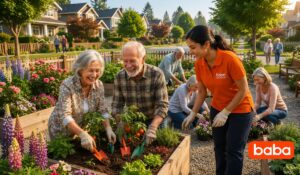
Gardening
Reading outdoors
People watching
Sketching
Picnics with family
Listening to music outdoors
These activities allow seniors to enjoy nature even when long walks are not comfortable.
Seasonal Considerations
Montreal experiences significant seasonal changes.
Summer can provide excellent opportunities for outdoor activities, while winter conditions may require additional caution.
During hot weather, seniors may prefer morning or evening outings.
During icy or snowy conditions, indoor activities can provide a safer alternative.
The goal is to maintain an enjoyable routine throughout the year rather than forcing outdoor activity in unsuitable conditions.
3. Visit Montreal Libraries for Reading and Lifelong Learning
Libraries are valuable destinations for seniors who enjoy reading, learning, technology, and social activities.
Montreal libraries provide a wide range of free activities and training programs, including book clubs, computer instruction, and programs specifically designed for people aged 65 and older.
The City’s current senior programming also includes workshops involving reading, cognitive stimulation, history, arts, digital skills, creative activities, and other subjects.
This makes libraries much more than places to borrow books.
They can become community learning spaces.
Reading for Pleasure
Seniors may use retirement as an opportunity to read books they never had time to explore during their working years.
Popular choices may include:
Historical novels
Biographies
Travel books
Mysteries
Poetry
Canadian history
Gardening books
Cooking books
Art books
Magazines and newspapers
Reading can be enjoyed independently or as part of a book club.
Book Clubs
A book club combines reading with social interaction.
Participants read a selected book and meet to discuss it.
The conversation can cover characters, historical context, writing style, personal opinions, and different interpretations.
For seniors who enjoy conversation, book clubs can be especially rewarding.
The book gives everyone a natural topic to discuss.
Technology Workshops
Digital skills can be increasingly useful for older adults.
Seniors may want to learn how to use smartphones, tablets, computers, email, online services, video calls, or digital photography.
Library technology programs can provide a supportive environment for learning.
A senior who becomes more comfortable with technology may also find it easier to stay connected with family members who live outside Montreal.
Cognitive and Educational Activities
Montreal’s libraries also provide activities designed around cognitive stimulation and learning.
These programs can give seniors opportunities to think, discuss ideas, solve problems, and learn new information.
The goal is not academic achievement.
The goal is curiosity and engagement.
Retirement can be a wonderful time to learn simply because something is interesting.
4. Discover Museums, Art, and Montreal Culture
Montreal’s cultural scene provides an excellent selection of activities for seniors who prefer learning and exploration.
Montréal Museums represents nearly 50 museums in the city, covering a broad range of themes and experiences.
This means seniors can choose museums based on their personal interests.
Someone may enjoy fine art.
Another person may prefer history.
Someone else may be interested in science, architecture, photography, heritage, or Montreal’s social history.
Visit the Montreal Museum of Fine Arts
The Montreal Museum of Fine Arts can be an appealing destination for seniors interested in painting, sculpture, photography, design, and cultural history.
Museum visits can be enjoyed at a relaxed pace.
A senior does not need to see every exhibition in one visit.
They can choose one section, sit down when necessary, and take time to appreciate individual works.
Explore Montreal’s History
The MEM Centre des mémoires montréalaises provides an opportunity to explore the story of Montreal through its people and communities. Its permanent exhibition focuses on the city’s identity and the experiences that shaped it.
This can be particularly meaningful for seniors who have lived in Montreal for many years.
They may recognize places, traditions, or stories connected with their own experiences.
For newcomers to the city, it can provide a useful introduction to Montreal’s history.
Museums as Social Activities
Museum visits do not have to be solitary.
Friends can visit together.
Adult children can take parents.
Grandparents can visit with grandchildren.
After viewing an exhibition, people can discuss what they liked.
This creates conversation and makes the outing more memorable.
Workshops and Creative Programs
Museums across Montreal also offer workshops, talks, and other events. Montréal Museums lists exhibitions, facility activities, courses, workshops, and cultural events across its member institutions.
Seniors who want a more interactive experience can therefore look beyond traditional museum visits.
They can attend a workshop or educational event connected with an exhibition.

5. Join Community Centres and Social Recreation Programs
Community centres can be excellent places for seniors who want to participate in several types of activities without travelling to many different locations.
Montreal’s boroughs operate and support a broad range of sports, recreation, cultural, and community programs.
The Centre communautaire intergénérationnel in Outremont, for example, offers sports and leisure programming, meeting spaces, dance and music facilities, community organizations, and a café-style gathering space.
The variety makes community centres particularly useful for seniors.
Social Games
Games such as cards, bingo, board games, and other recreational activities can provide mental stimulation and social interaction.
Montreal’s event listings currently include board game activities at libraries and other community locations.
Games create an easy reason to meet people.
A senior does not need to arrive with a conversation topic.
The activity provides one.
Coffee and Conversation
Simple social gatherings can be just as meaningful as formal classes.
Montreal’s current event listings include coffee and conversation activities for seniors, demonstrating how informal social programs can become part of community life.
For seniors who do not enjoy exercise or structured classes, this type of activity may be an ideal starting point.
Intergenerational Activities
Community centres can also provide opportunities for different generations to interact.
The Centre communautaire intergénérationnel in Outremont is specifically designed as a gathering place for different generations and offers sports and leisure programming for a broad range of ages.
Intergenerational activities can help seniors remain connected with younger residents while also giving younger people opportunities to benefit from older adults’ experience.
Trying Something New
A community centre is a good place to experiment.
A senior may attend one activity and discover another.
Someone who begins with a social gathering may later try fitness.
A person who joins a dance activity may become interested in music.
Someone who attends a recreation program may develop a new friendship.
This gradual exploration can make retirement more interesting.
Finding Affordable Recreation
Cost can sometimes influence whether a senior participates in an activity.
Montreal’s Accès-Loisirs program allows eligible low-income residents in participating boroughs to register free of charge for selected sports, arts, cultural, and fitness activities. Availability and registration procedures vary by borough.
Seniors and families can therefore explore both regular recreation programming and available financial assistance when planning activities.
Creating a Weekly Senior Activity Routine
The Top 10 Senior Activities in Montreal should not be viewed as a checklist.
A senior does not need to participate in ten activities.
Instead, the list can help older adults identify activities that match their personality.
A balanced weekly routine could include:
One gentle exercise class
One library visit
One outdoor walk
One cultural outing
One social gathering
This provides variety without creating an overwhelming schedule.
Choosing Activities Based on Personal Interests
Different seniors will naturally prefer different activities.
An outgoing person may enjoy community centres and group classes.
A quieter person may prefer reading and museums.
An active senior may enjoy walking and dance.
A creative person may choose art workshops.
Someone who values conversation may prefer coffee groups and social games.
There is no universal formula.
The best activity is the one the senior genuinely enjoys.
Considering Accessibility
Accessibility is an important consideration when choosing activities.
Seniors and families can ask:
Is the building accessible?
Are elevators available?
Is seating provided?
How long does the activity last?
Are washrooms nearby?
Is transportation convenient?
Can the activity be adapted?
Montreal’s current senior library programming includes dance workshops that can be performed on a chair and adapted for people with reduced mobility, showing how activities can be designed with different abilities in mind.

Transportation and Senior Activities
Transportation can sometimes determine whether an older adult can participate in a program.
A senior may be interested in a library workshop but have difficulty reaching the location.
Another person may feel comfortable driving during the day but prefer not to drive at night.
Family members and friends can sometimes provide transportation.
Public transportation may work for seniors who are comfortable using it.
Community and specialized senior transportation services may provide additional options depending on the individual’s needs and eligibility.
Reliable transportation can help seniors continue attending:
Community centre programs
Libraries
Museums
Medical appointments
Cultural events
Social gatherings
Parks
Family visits
Maintaining access to these destinations can support independence and social participation.
6. Enjoy Arts, Crafts, and Creative Hobbies
Creative activities can add color, variety, and personal meaning to retirement. For seniors in Montreal, arts and crafts can be an enjoyable way to spend time while developing new skills and expressing individual interests.
Creative hobbies can include painting, drawing, photography, knitting, embroidery, pottery, crafts, writing, music, and other forms of artistic expression.
Montreal’s libraries and community organizations regularly provide cultural and creative programming for older adults. The city’s current senior programming includes activities connected with arts, crafts, creative expression, embroidery, and other cultural interests. (montreal.ca)
Painting and Drawing
Painting and drawing are flexible activities that can be adapted to different abilities.
A senior does not need to be an experienced artist.
The purpose can simply be to experiment with colours, shapes, and ideas.
Someone who has never taken an art class may discover an unexpected talent after retirement.
Classes can also provide an opportunity to meet people with similar interests.
Crafts and Handwork
Craft activities can be particularly appealing to seniors who enjoy working with their hands.
Knitting, embroidery, paper crafts, decorative projects, and other hobbies can provide a relaxing routine.
They can also create opportunities to make gifts for family members.
A handmade item can have emotional value that is very different from something purchased in a store.
Photography
Photography can turn everyday experiences into creative projects.
A senior can photograph flowers in a park, architecture around Montreal, family gatherings, neighbourhood streets, seasonal scenery, or cultural events.
Smartphones have also made photography more accessible.
Older adults can learn basic photography skills and gradually experiment with composition, light, and editing.
Writing and Storytelling
Writing can be another valuable retirement hobby.
Seniors may write personal memories, family stories, poetry, short stories, or reflections about their experiences.
Storytelling can also become an intergenerational activity.
Grandchildren may enjoy hearing stories about their grandparents’ childhood, family traditions, or important life experiences.
Writing these stories down can help preserve family history for future generations.
7. Volunteer With Local Organizations and Community Initiatives
Volunteering is an excellent option for seniors who want to remain connected with their community while contributing their time and experience.
Retirement can provide more flexibility for volunteering.
Seniors can choose roles based on their interests, skills, mobility, and available time.
Sharing Professional Experience
Many seniors have decades of professional experience.
A retired teacher may enjoy educational volunteering.
A former office worker may help with administrative tasks.
Someone with experience in finance may assist an organization with basic organizational work.
A person with strong communication skills may enjoy welcoming visitors or helping at community events.
Volunteering allows seniors to continue using skills they have developed throughout their lives.
Social Benefits of Volunteering
Volunteering can also create regular social interaction.
Participants work alongside other volunteers and staff.
Over time, familiar faces can become friends.
For seniors who spend much of their time at home, having a regular volunteer commitment can create a valuable reason to leave the house.
Flexible Volunteering
Not every senior wants a major weekly commitment.
A person can begin with occasional events.
They might help at a community celebration, charity activity, cultural event, or local initiative.
If they enjoy the experience, they can gradually increase their participation.
Volunteering From Home
Some activities may also be completed from home.
Depending on the organization, seniors may be able to assist with phone calls, writing, administrative tasks, online communication, or other projects.
This can provide an option for people who have transportation or mobility limitations.
8. Explore Montreal’s Cultural Events, Heritage, and Neighbourhoods
Montreal is known for its diverse cultural identity, historic neighbourhoods, architecture, festivals, food, music, and arts.
For seniors, exploring the city’s cultural environment can turn retirement into an opportunity for discovery.
Explore Historic Montreal
A visit to Old Montreal can provide an opportunity to experience historic architecture, public spaces, cultural attractions, restaurants, shops, and waterfront areas.
Seniors who enjoy history may particularly appreciate learning how Montreal developed over time.
An outing can be short.
There is no need to walk through the entire area.
A senior can choose one destination, enjoy the surroundings, take breaks, and return home comfortably.
Visit Cultural Institutions
Montreal’s museum network offers many choices.
Montréal Museums represents nearly 50 museums throughout the city, covering art, history, science, heritage, culture, and other subjects. (museesmontreal.org)
This gives seniors an opportunity to choose experiences based on personal interests.
Someone may prefer fine art.
Another person may enjoy natural history.
Someone else may be fascinated by Montreal’s history.
Attend Music and Performing Arts
Music can be especially meaningful for older adults.
Seniors may enjoy concerts, community performances, cultural events, choirs, and other musical experiences.
Music can bring back memories and create opportunities to discover new artists.
Attending an event with a friend or family member can make the experience even more enjoyable.
Explore Local Food Culture
Montreal has a distinctive food culture influenced by many communities.
Seniors can explore restaurants, markets, bakeries, cafés, and cultural food events.
Trying a new restaurant can become a simple social activity.
Friends can meet for lunch.
Families can take grandparents out for dinner.
Grandparents can introduce younger family members to foods connected with their own cultural background.
Food can therefore become both a recreational and intergenerational experience.
Take Short Cultural Outings
A common misconception is that cultural activities require a full day.
They do not.
A senior can visit one gallery for an hour.
They can have coffee afterward.
They can attend a short performance.
They can explore one neighbourhood.
Short outings can provide variety while reducing fatigue.
9. Participate in Intergenerational and Family Activities
Family activities can be among the most meaningful experiences for seniors.
Retirement gives many older adults more opportunities to spend time with children and grandchildren.
The activity itself does not need to be complicated.
The most important element is spending quality time together.
Activities With Grandchildren
Grandparents can participate in many activities with grandchildren.
They can:
Visit a library
Play board games
Walk through a park
Visit a museum
Cook together
Bake
Watch a movie
Create crafts
Take photographs
Attend cultural events
Explore neighbourhoods
Share family stories
These activities can create memories that children remember for years.
Learning From Different Generations
Intergenerational activities work both ways.
Grandparents can share family history, traditional recipes, stories, practical skills, and personal experiences.
Younger family members can help seniors learn new technology, apps, digital photography, or modern communication tools.
This creates a relationship based on mutual learning.
Family Meals
Regular meals can provide a simple structure for family connection.
A weekly lunch or dinner gives everyone something to anticipate.
Seniors who live alone may especially appreciate a regular family meal.
It can be at home or at a restaurant.
The meal itself does not have to be elaborate.
Conversation is often the most valuable part.
Celebrating Milestones
Birthdays, anniversaries, holidays, graduations, and other milestones can provide opportunities for family gatherings.
Seniors can take an active role in these celebrations.
They can help prepare food, tell stories, organize photographs, or simply enjoy being surrounded by family.
10. Join Social Clubs, Games, and Community Gatherings
Social interaction is an essential part of a fulfilling retirement lifestyle.
Montreal provides many opportunities for seniors to participate in community gatherings, social clubs, games, conversations, and recreational activities.
The City of Montreal’s recreation system and local community organizations offer programs across different neighbourhoods. (montreal.ca)
Card Games
Card games can be an excellent social activity.
They require little equipment and can be played in small groups.
Seniors can enjoy familiar games or learn something new.
The competitive aspect can add excitement, while the conversation provides social connection.
Board Games
Board games offer another opportunity for mental and social engagement.
They can involve strategy, memory, problem solving, and communication.
Seniors who enjoy friendly competition may find these activities particularly enjoyable.
Libraries and community spaces sometimes host board game events, giving older adults opportunities to meet other participants. (montreal.ca)
Coffee and Conversation
Not every social activity needs a formal program.
A coffee gathering can be enough.
Montreal’s community programming includes activities that encourage seniors to meet, talk, and spend time together in relaxed environments. (montreal.ca)
This can be particularly suitable for seniors who are uncomfortable with organized exercise or competitive games.
Making New Friends
Making friends later in life can sometimes feel difficult.
Structured activities can make the process easier.
When people regularly attend the same program, they naturally become familiar with one another.
A simple conversation can eventually become a friendship.
This is one reason regular activities are often more valuable than occasional events.

Building a Balanced Activity Schedule
The Top 10 Senior Activities in Montreal can provide inspiration, but seniors do not need to participate in all ten.
A balanced routine should include activities that support different interests.
For example:
Monday: Gentle exercise
Tuesday: Library visit
Wednesday: Creative hobby
Thursday: Social club
Friday: Cultural outing
Saturday: Family activity
Sunday: Personal relaxation
This schedule is only an example.
Some seniors may prefer a slower routine.
Others may want several activities every week.
The ideal schedule should be comfortable and enjoyable.
Balancing Activity and Rest
An active retirement does not mean being busy every day.
Rest is also important.
A senior might have two active days followed by a quieter day.
For example, a museum visit can be followed by a reading afternoon.
A social gathering can be followed by time at home.
This balance can help prevent activities from becoming tiring or overwhelming.
Choosing Activities Based on Personality
Personality should play an important role in activity selection.
An outgoing senior may enjoy group events and social clubs.
A quiet senior may prefer reading, photography, art, or museums.
Someone who enjoys physical movement may choose walking, dance, or recreational programs.
A person who values intellectual stimulation may prefer lectures, libraries, history programs, or cultural events.
The goal is to find activities that feel natural.
Supporting Seniors With Limited Mobility
Limited mobility does not necessarily mean giving up community participation.
Many activities can be adapted.
A senior may choose seated exercise.
They may attend a library program.
They can enjoy a museum with accessible facilities.
They may participate in crafts.
They can play cards or board games.
They can attend social gatherings.
Montreal’s senior programming includes activities that can accommodate reduced mobility, including chair-based dance workshops. (montreal.ca)
Families should consider accessibility before choosing a destination.
Important questions include:
Is there an accessible entrance?
Is seating available?
Are washrooms nearby?
Is there an elevator?
How much walking is required?
Can the activity be modified?
Does transportation drop off close to the entrance?
Planning ahead can make an outing much more comfortable.
Transportation for Senior Activities in Montreal
Transportation can be an important factor when seniors choose activities.
A senior may want to participate in a community program but no longer feel comfortable driving.
Another person may drive during the daytime but avoid driving at night.
Weather can also influence transportation decisions, particularly during Montreal’s winter months.
Families and friends can sometimes provide transportation.
Public transit may be suitable for seniors who are comfortable navigating the system.
Specialized senior transportation services can also be considered when an older adult needs additional assistance.
Reliable transportation can help seniors access:
Libraries
Community centres
Museums
Parks
Cultural events
Senior clubs
Recreation programs
Shopping areas
Medical appointments
Family gatherings
Transportation therefore becomes more than simply a way to travel.
It can help seniors remain connected to the activities and people that matter to them.
How Families Can Encourage Senior Participation
Family members often want their parents or grandparents to become more active.
The best approach is usually encouragement rather than pressure.
Start by asking what the senior enjoys.
Someone who dislikes exercise may enjoy a museum.
A person who dislikes museums may enjoy gardening.
Someone who does not like large groups may prefer a small book club.
Another senior may simply want regular family lunches.
The activity should reflect the person’s interests.
Try Activities Together
A family member can make the first visit easier by joining the senior.
Going together can reduce uncertainty.
After the senior becomes familiar with the activity, they may feel comfortable attending independently.
Help With Registration
Some programs require online registration.
Family members can assist with the technical process.
However, the senior should remain involved in choosing the program.
Help With Transportation
Transportation can be one of the biggest practical barriers.
Families can coordinate rides when possible.
For seniors who need additional assistance, appropriate transportation services can provide another option.
Making Retirement More Meaningful
Activities are not simply ways to fill free time.
They can provide structure, purpose, friendship, creativity, learning, and enjoyment.
A senior who joins a social club may develop new friendships.
A person who begins painting may discover a lifelong hobby.
Someone who starts volunteering may develop a renewed sense of purpose.
A library program may inspire a new interest.
A family outing may create a treasured memory.
These experiences can make everyday life more meaningful.
Frequently Asked Questions About Senior Activities in Montreal
What are some of the best activities for seniors in Montreal?
Popular options include walking, gentle exercise, library programs, museums, art activities, cultural events, volunteering, social clubs, games, and family activities.
Are there activities for seniors with reduced mobility?
Yes. Seniors can explore seated exercise, accessible cultural venues, library programs, crafts, games, reading groups, and other activities that can be adapted to individual abilities.
Can seniors participate in free activities?
Some library and community activities are free, while others may require registration or a fee. Seniors should check the current program information with the relevant organization or borough.
What can seniors do indoors during winter?
Indoor options include libraries, museums, art programs, community centres, social clubs, games, dance programs, crafts, educational workshops, and family gatherings.
What are good social activities for seniors?
Seniors can join social clubs, play cards or board games, participate in group classes, attend coffee gatherings, volunteer, join book clubs, and participate in community events.
Are museums good activities for older adults?
Yes. Museums can provide cultural exploration and learning without requiring strenuous physical activity. Seniors can choose shorter visits and take breaks when needed.
How can seniors make new friends in Montreal?
Regular participation is one of the best approaches. Joining a community group, class, library program, volunteer organization, or social club gives seniors repeated opportunities to meet the same people.
Can grandparents participate in activities with grandchildren?
Absolutely. Libraries, museums, parks, games, crafts, cooking, cultural events, photography, and family outings can all become enjoyable intergenerational activities.
Tips for Choosing the Right Senior Activities
Before choosing an activity, seniors and families can consider several practical factors.
Interest
Does the senior genuinely enjoy the activity?
Interest is often more important than popularity.
Accessibility
Can the senior comfortably enter and participate in the location?
Transportation
Is the destination easy to reach?
Schedule
Does the activity fit naturally into the senior’s weekly routine?
Social Comfort
Does the senior prefer a large group, small group, or individual activity?
Physical Requirements
Is the activity appropriate for the person’s mobility and energy level?
Cost
Are there registration fees, equipment costs, or transportation expenses?
Frequency
Would the senior prefer a weekly activity or occasional outings?
Considering these factors can help families create a routine that is realistic and enjoyable.
Final Thoughts on the Top 10 Senior Activities in Montreal
The Top 10 Senior Activities in Montreal demonstrate that older adults have many ways to remain active, connected, curious, and involved in community life.
Seniors can enjoy gentle fitness and dance.
They can explore parks and neighbourhoods.
They can visit libraries and continue learning.
They can discover museums and Montreal’s cultural heritage.
They can participate in community centre programs.
They can explore painting, crafts, photography, and other creative hobbies.
They can volunteer and contribute their experience.
They can attend cultural events and explore different parts of the city.
They can spend meaningful time with children and grandchildren.
They can join social clubs, games, and community gatherings.
The right combination will be different for every senior.
Some older adults will enjoy a busy weekly schedule.
Others will prefer a few meaningful activities.
There is no need to participate in everything.
The most important goal is to create a routine that provides enjoyment and purpose.
A senior who attends a library program every week may build meaningful friendships.
Someone who visits museums may develop a new appreciation for art.
A person who joins a walking group may become more comfortable spending time outdoors.
Someone who volunteers may discover a renewed sense of purpose.
A grandparent who regularly spends time with grandchildren may create memories that last for generations.
Montreal’s diverse community infrastructure makes it possible for seniors to find activities that suit many different interests and abilities. From cultural institutions and libraries to community centres, parks, recreation programs, and social organizations, older adults have many opportunities to remain connected with the city.
For families supporting an aging parent, the best strategy is to encourage participation while respecting independence.
Ask what the senior wants to do.
Help identify suitable programs.
Consider transportation and accessibility.
Join them when helpful.
Allow them to try different activities.
Most importantly, listen to their preferences.
Retirement should not be defined by inactivity.
It can be a period of exploration, friendship, creativity, learning, and meaningful experiences.
With the right activities and practical support, seniors in Montreal can continue enjoying their community, developing new interests, maintaining social connections, and creating fulfilling routines.
The best activity may be a new hobby, a familiar tradition, a weekly class, a walk with a friend, or simply an afternoon spent with family.
What matters most is that the activity brings meaning to the senior’s life.
Montreal offers the environment and opportunities.
The next step is finding the activities that make each individual senior feel engaged, comfortable, valued, and connected.
Bài viết liên quan: