
Top 10 Senior Activities in Richmond. Finding enjoyable, accessible, and meaningful ways to stay active is an important part of healthy aging. For older adults searching for the Top 10 Senior Activities in Richmond, British Columbia, the city offers a wide range of opportunities for recreation, fitness, social connection, creativity, lifelong learning, and community participation. Richmond is particularly well suited to active aging because seniors can choose from dedicated senior programs, community centres, parks, cultural experiences, libraries, aquatic facilities, walking opportunities, arts programs, and social activities. The City of Richmond currently provides 55+ programs and services at eight community facilities, including the Seniors Centre at Minoru Centre for Active Living.
One of the city’s most important destinations for older adults is the Seniors Centre at Minoru Centre for Active Living. Located at 7191 Granville Avenue, the centre includes a lounge, cafeteria, arts studio, woodworking shop, billiards room, multipurpose rooms, and other spaces designed to support social and recreational activities. The Minoru Seniors Society works in partnership with the City of Richmond to provide an expanded range of programs and services for older adults.
Richmond also offers recreation opportunities through facilities such as Minoru Centre for Active Living, South Arm Community Centre, Cambie Community Centre, City Centre Community Centre, Hamilton Community Centre, and other neighbourhood facilities. The City provides senior programming across its community network, allowing older adults to find activities that are convenient for their location and lifestyle.
For seniors who enjoy learning and reading, Richmond Public Library provides collections, resources, technology support, and programs designed for older adults. Its senior services include lifelong learning resources and events, while technology programs can help older adults become more comfortable with digital devices.
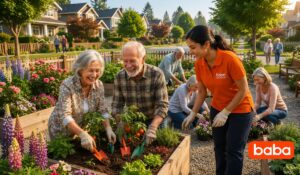
Outdoor recreation is another attractive option. Richmond’s parks programs include community gardens, wildlife initiatives, nature activities, stewardship opportunities, and other programs designed to connect residents with local spaces.
Whether a senior prefers gentle exercise, social games, arts and crafts, swimming, walking, reading, cultural events, or spending time with family, Richmond provides many ways to create a fulfilling routine. The best activity is not necessarily the most demanding one. It is the activity that feels enjoyable, accessible, and meaningful enough to become part of everyday life.
This guide explores the first five activities among the Top 10 Senior Activities in Richmond and explains how each can contribute to a more active, connected, and enjoyable retirement.

Why Senior Activities Matter in Richmond
Retirement can bring freedom and flexibility, but it can also change a person’s daily routine.
After leaving the workforce, seniors may no longer have regular opportunities to interact with colleagues. Some may spend more time at home, while others may be looking for new friendships and interests.
Regular activities can help create structure.
A weekly fitness class gives a senior something to look forward to.
A card game can create social interaction.
A walking group can combine exercise with friendship.
A library program can provide intellectual stimulation.
A creative class can offer an opportunity for personal expression.
Richmond’s network of community facilities makes it easier for seniors to find activities based on their interests and abilities. The City specifically identifies recreation, wellness, cultural, educational, and social opportunities as important parts of its senior programming.
A balanced routine does not need to be complicated. Even two or three regular activities can provide meaningful benefits.
1. Join Programs at the Seniors Centre at Minoru Centre for Active Living
One of the best starting points for seniors who want to become more active in Richmond is the Seniors Centre at Minoru Centre for Active Living.
The facility provides dedicated spaces for older adults, including an arts studio, woodworking shop, billiards room, lounge, cafeteria, and multipurpose rooms. It also operates in partnership with the Minoru Seniors Society, which provides a broad range of programs and services.
The variety of spaces makes the centre suitable for different personalities.
A senior who enjoys conversation may prefer the lounge or cafeteria.
Someone who enjoys hands-on hobbies may be interested in the woodworking shop.
A person who enjoys creative expression can explore arts activities.
Another senior may prefer games, social gatherings, or community programs.
This flexibility is one reason the Minoru Seniors Centre can be an excellent starting point for older adults who want to become more involved in Richmond.
Building Social Connections
One of the greatest advantages of participating in a senior centre is the opportunity to meet other people.
Friendships often develop naturally when people attend the same activities regularly.
A senior may initially attend a program simply because they enjoy the activity. Over time, familiar faces become friends.
This can be particularly meaningful for seniors who have recently retired, moved to Richmond, or experienced changes in their social routine.
A community centre creates a setting where conversations can happen naturally.
People can talk before a program begins, during breaks, over coffee, or while participating in an activity.
The activity itself becomes a bridge to social connection.
Exploring Different Interests
Seniors should not feel limited to one type of activity.
Someone who begins with a social program may later discover an interest in painting.
A person who enjoys woodworking may become interested in another creative activity.
Someone who initially attends for companionship may eventually participate in fitness or educational programs.
Exploration is part of an enjoyable retirement.
There is no requirement to choose one hobby permanently.
A Convenient Starting Point for New Residents
Richmond attracts people from many backgrounds and communities.
For seniors who are new to the city, a community centre can provide a practical way to become familiar with the local community.
Instead of trying to make new friendships individually, seniors can join organized activities where social interaction occurs naturally.
This can help make a new environment feel more familiar.
2. Enjoy Swimming and Aquatic Activities
Swimming and aquatic recreation can be excellent choices for seniors who enjoy being active while looking for alternatives to conventional land based exercise.
Minoru Centre for Active Living is a major aquatics and fitness destination in Richmond. The facility is located next to Minoru Park and includes six aquatic spaces along with a large fitness centre designed for people of different ages and abilities.
Aquatic activities can provide variety in a senior’s weekly routine.
Some older adults may enjoy swimming.
Others may prefer gentle water based movement or structured aquatic programs.
The important factor is selecting an activity that matches the individual’s comfort level and physical abilities.
Why Seniors May Enjoy Aquatic Recreation
Water provides a different environment from walking or traditional gym activities.
For seniors who become bored with the same exercise routine, swimming can introduce variety.
Aquatic programs can also be social.
A senior who attends a regular class may become familiar with instructors and other participants.
Over time, the program can become both an exercise opportunity and a social routine.
Building Confidence Through Regular Activity
Seniors do not need to start with an intense schedule.
One manageable aquatic session each week may be enough to introduce a new routine.
As confidence increases, a senior can decide whether to participate more frequently.
The goal should be consistency and enjoyment rather than competition.
Seniors who are not confident swimmers should choose appropriate programs and follow facility safety requirements.
Anyone with specific physical concerns should consider discussing new exercise activities with an appropriate healthcare professional.
3. Explore Walking and Outdoor Recreation
Walking is one of the most accessible activities for many older adults.
It can be done alone, with a friend, with family, or as part of an organized group.
Richmond provides numerous parks and outdoor spaces where seniors can enjoy fresh air and a change of scenery.
The City’s parks programming includes nature activities, community gardens, stewardship opportunities, wildlife initiatives, and other experiences designed to connect residents with local environments.
Outdoor recreation does not need to involve a long walk.
A senior can spend time sitting in a park, observing nature, taking photographs, reading outdoors, or enjoying a conversation with a friend.
Walking With a Companion
Walking can become more enjoyable when it is treated as a social activity.
Two friends can meet for a morning walk.
A family member can accompany an older parent.
A caregiver or companion can provide assistance when needed.
The combination of movement and conversation can make the activity feel less like exercise and more like quality time.
Adapting Walking to Different Abilities
Every senior has different mobility levels.
Some older adults may comfortably walk for an hour.
Others may prefer ten or fifteen minute outings with rest periods.
Both approaches can be valuable.
The goal is to create an activity that feels comfortable and sustainable.
Seniors who use mobility aids should consider routes that provide suitable surfaces, convenient resting areas, and accessible facilities.
Outdoor conditions should also be considered.
During hot weather, seniors may prefer morning or evening outings.
During periods of heavy rain, ice, or other difficult conditions, indoor activities may be safer.
Nature as a Source of Relaxation
Outdoor activities can provide more than physical movement.
Being surrounded by trees, gardens, water, and wildlife can create a peaceful environment.
Seniors can combine outdoor recreation with hobbies such as photography, bird watching, gardening, or reading.
This makes nature an activity that can be adjusted to almost any pace.

4. Try Gentle Fitness, Yoga, and Mobility Activities
Fitness does not have to mean strenuous exercise.
Many seniors prefer activities that focus on flexibility, balance, mobility, strength, and controlled movement.
Richmond’s senior programming and community facilities provide opportunities for older adults to participate in different forms of fitness and wellness programming. The City offers 55+ activities through its network of community facilities, while individual centres provide their own seasonal schedules.
The Spring 2026 Steveston Seniors Program Guide, for example, included programs such as agility, mobility, balance and strength, beginner balance classes, minds, muscles and mobility, and other fitness activities for adults aged 55 and older.
These programs demonstrate that senior fitness can include different levels and approaches.
Benefits of Gentle Movement
Gentle movement activities can be useful for seniors who want to remain active while avoiding unnecessarily demanding routines.
Depending on the program, activities may focus on:
Flexibility
Balance
Strength
Coordination
Mobility
Body awareness
Relaxation
The specific benefits depend on the activity and individual participation.
Choosing an Appropriate Fitness Program
A senior who is new to exercise may prefer a beginner level class.
Someone with good mobility may enjoy a more active program.
Another person may prefer a slower activity.
The best choice depends on comfort, confidence, experience, and individual needs.
Seniors should not feel pressured to keep pace with more experienced participants.
A good program should allow participants to work within their own abilities.
Making Fitness Social
Group fitness can provide an additional benefit that exercising alone does not always provide.
Participants can recognize one another, exchange conversation, and develop friendships.
A weekly class can become part of a senior’s social calendar.
This is particularly useful for older adults who want to remain physically active while also meeting new people.
5. Play Cards, Billiards, and Social Games
Games can be an excellent choice for seniors who prefer activities that combine mental stimulation with social interaction.
The Seniors Centre at Minoru Centre for Active Living includes a billiards room along with lounges and multipurpose spaces.
Other Richmond community facilities also provide games rooms and social spaces. South Arm Community Centre, for example, includes a games room, seniors activity room, and seniors lounge among its facilities.
These environments give older adults opportunities to participate in activities while interacting with other members of the community.
Why Games Are Popular With Seniors
Games can provide several forms of engagement at once.
A card game may require memory, strategy, concentration, and communication.
Billiards can combine coordination with social interaction.
Board games can encourage problem solving and friendly competition.
Bingo can provide a relaxed group experience.
The best option depends on personal preference.
Social Benefits of Games
Games create natural conversation.
People can discuss strategies, share stories, joke with one another, and enjoy friendly competition.
For seniors who may feel uncomfortable attending a general social gathering, a game can make interaction easier.
There is always something to focus on.
The activity creates a natural reason to talk.
Over time, repeated participation can lead to friendships.
Family Game Activities
Games can also be enjoyed at home.
Grandparents can play cards with grandchildren.
Adult children can organize a family board game afternoon.
Seniors can invite neighbours or friends to participate.
These activities can be inexpensive while still creating meaningful social experiences.
The emphasis should be on enjoying time together rather than winning.

Creating a Weekly Senior Activity Routine
The Top 10 Senior Activities in Richmond should not be treated as a checklist.
A senior does not need to participate in ten different activities.
Instead, the goal is to find a small combination of activities that provides variety.
For example, a weekly routine might include:
One fitness class
One outdoor walk
One social game
One family visit
One personal hobby
This creates opportunities for physical movement, social connection, mental engagement, and relaxation.
A senior who prefers a quieter lifestyle might choose fewer activities.
Another person may enjoy a much busier schedule.
Both approaches are valid.
Choosing Activities Based on Personal Interests
The most sustainable activity is usually one that the senior genuinely enjoys.
Someone who loves conversation may prefer a community centre.
A person who enjoys water may choose swimming.
An outdoor enthusiast may prefer walking and nature activities.
A creative person may enjoy painting or crafts.
Someone who enjoys strategy may prefer cards or billiards.
The activity should reflect the person rather than forcing the person to fit the activity.
Considering Accessibility and Transportation
Accessibility is another important consideration.
Before registering for an activity, seniors and families can consider the location, transportation options, walking distance, seating, building accessibility, and schedule.
Richmond’s senior programs are distributed across several community facilities, which can make it easier for older adults to identify options closer to home. The City’s senior programming network includes facilities such as Cambie, City Centre, Hamilton, South Arm, and the Seniors Centre at Minoru Centre for Active Living.
Transportation can become particularly important for seniors who no longer drive.
A senior may be interested in attending a class but unable to reach it independently.
Family members, friends, community transportation options, and senior transportation providers can help reduce this barrier.
Reliable transportation can support independence by allowing older adults to continue participating in activities that matter to them.

Making Social Participation Comfortable
Some seniors may feel nervous about joining a new program.
This is completely understandable.
A family member can accompany them during their first visit.
A friend can register for the same program.
A senior can also begin with a low pressure activity, such as a library visit or casual social program.
Once the environment becomes familiar, participation may become easier.
The Importance of Variety
Doing the same activity every day can become repetitive.
Variety can keep a routine interesting.
A senior can combine:
Physical activities
Creative hobbies
Social programs
Outdoor recreation
Learning
Family activities
Quiet relaxation
This combination provides a more balanced lifestyle.
6. Discover Arts, Crafts, and Creative Activities
Creative activities can bring a different kind of energy to retirement. While physical activities focus on movement, creative hobbies give seniors opportunities to express ideas, develop skills, preserve memories, and create something they can share with others.
Richmond provides a variety of community spaces where older adults can explore creative interests. The Seniors Centre at Minoru Centre for Active Living includes an arts studio, while Richmond’s broader community centre network provides spaces for programs and activities designed for different age groups and interests. (richmond.ca)
Painting, drawing, crafts, photography, knitting, woodworking, writing, and music can all become meaningful senior hobbies.
The activity does not need to produce professional results.
The enjoyment comes from the process.
Painting and Visual Arts
Painting can be a relaxing activity for seniors who enjoy colours, landscapes, portraits, or abstract art.
A beginner does not need extensive artistic experience.
A simple class can introduce basic techniques while allowing participants to work at their own pace.
Painting can also become a social activity.
Participants can discuss their projects, exchange ideas, and encourage one another.
For seniors who spend much of their time at home, attending an art class can provide both a creative outlet and a reason to interact with other people.
Crafts and Handwork
Craft activities can include knitting, sewing, paper crafts, decorative projects, and other forms of handwork.
Some seniors may already have years of experience.
Others may want to learn a skill they never had time to explore during their working years.
Creative hobbies can also connect generations.
A grandparent can teach a grandchild how to knit or sew.
A younger family member may introduce a senior to digital photography or another modern creative tool.
These exchanges allow both generations to learn from one another.
Woodworking and Hands On Hobbies
The Seniors Centre at Minoru Centre for Active Living includes a woodworking shop, providing another option for older adults who enjoy hands on projects. (richmond.ca)
Woodworking can provide a sense of accomplishment because participants can create physical objects.
However, seniors should always follow facility safety requirements and choose projects appropriate for their abilities.
Those who have limited strength, balance, or mobility may prefer creative activities that require less physical effort.
7. Visit Richmond Public Library for Reading and Lifelong Learning
Libraries can be valuable community spaces for older adults.
Richmond Public Library provides senior focused resources, lifelong learning opportunities, technology support, and access to books and other materials. Its senior services include resources intended to help older adults remain informed, connected, and engaged. (yourlibrary.ca)
For seniors who enjoy reading, the library can become a regular destination.
A weekly library visit can provide a simple routine without requiring strenuous physical activity.
Reading as a Senior Activity
Reading can take many forms.
A senior may enjoy novels, biographies, history, travel books, newspapers, magazines, poetry, or books about hobbies.
Reading can also provide an opportunity to explore subjects that were not possible to study earlier in life.
Retirement creates more time for curiosity.
A person who always wanted to learn about Canadian history can explore historical books.
Someone interested in gardening can read about plants.
A travel enthusiast can explore destinations through books and magazines.
Lifelong Learning
Learning does not have to end after retirement.
Libraries and community organizations can provide opportunities to learn new information, attend programs, explore technology, and participate in discussions.
Lifelong learning can give seniors a sense of purpose.
It can also help maintain an active relationship with the community.
The goal is not to earn a qualification.
The goal is curiosity.
Technology Learning for Seniors
Technology has become an important part of everyday communication.
Seniors may want to learn how to use smartphones, tablets, computers, email, video calls, online services, or digital photography.
Richmond Public Library provides technology related resources and support for older adults, making libraries useful places for seniors who want to improve digital confidence. (yourlibrary.ca)
Learning one new skill can make a significant difference.
For example, learning video calling can make it easier for a senior to stay connected with relatives who live in another city or country.
Learning digital photography can allow a senior to share pictures with family.
Learning how to use online library services can provide access to even more reading material.
8. Enjoy Cultural Events, Heritage, and Community Experiences
Cultural activities can provide seniors with opportunities to learn, socialize, and experience something different from their normal routine.
Richmond is a culturally diverse community, and seniors can explore local events, arts programming, performances, exhibitions, heritage experiences, and community celebrations.
Cultural activities are especially useful for seniors who prefer low intensity recreation.
A person does not need to walk long distances or participate in strenuous exercise to enjoy an exhibition or performance.
Exploring Local Culture
A cultural event can introduce seniors to music, food, art, history, and traditions.
For longtime Richmond residents, local cultural experiences can also bring back memories.
An older adult may recognize places, traditions, or stories from earlier periods of life.
Sharing these memories with children and grandchildren can make a cultural outing even more meaningful.
Cultural Activities With Family
Cultural experiences can become excellent family activities.
An adult child can invite a parent to a local event.
Grandparents can attend with grandchildren.
Families can visit an exhibition and discuss what they enjoyed.
These experiences create opportunities for conversation.
Instead of simply spending time together at home, family members can share an experience that gives them something new to talk about.
Cultural Experiences for Seniors Living Alone
For seniors who live alone, attending community events can provide an important opportunity to leave the home and interact with others.
The event itself does not need to be large.
A small local program, community gathering, arts activity, or library event can provide enough social interaction to make the day feel different.
Regular participation can gradually help a senior develop familiarity with the community.
9. Volunteer and Participate in Community Activities
Volunteering can be a meaningful choice for seniors who want to remain involved and contribute their experience.
Many older adults have valuable professional knowledge, practical skills, community experience, and life experience that can benefit other people.
Volunteering can provide a sense of purpose while creating opportunities for social interaction.
Why Seniors May Enjoy Volunteering
Retirement can sometimes create a feeling that a person’s previous professional role has suddenly disappeared.
Volunteering can provide a new form of responsibility.
A senior may help with a community event, support a charitable organization, participate in neighbourhood initiatives, assist with cultural activities, or contribute skills to a local group.
The exact opportunity should match the person’s abilities and interests.
Volunteering at a Comfortable Level
Volunteering does not have to mean committing to several days every week.
A senior can begin with a small commitment.
For example, they may help during a community event once a month.
Someone with strong organizational skills may help with administration.
A person who enjoys talking to people may prefer a welcoming or information role.
A senior who enjoys crafts may contribute to a community creative activity.
The flexibility of volunteering allows older adults to choose roles that feel meaningful.
Social Benefits of Volunteering
Volunteering can create relationships with people of different ages.
This can be particularly valuable for seniors who want to expand their social network.
The shared purpose of volunteering gives participants a natural reason to interact.
Instead of simply meeting people at a social event, volunteers work together toward a common goal.
This can make friendships develop naturally.
10. Spend Quality Time With Family and Friends
The final activity on our list is one of the simplest and most important.
Spending quality time with family and friends can make retirement more meaningful.
Not every senior activity needs to be organized by a community centre.
A coffee with a friend, lunch with family, a walk with a neighbour, or an afternoon with grandchildren can provide meaningful social connection.
Family Visits
Regular family visits can create structure.
For example, adult children can establish a weekly lunch or Sunday afternoon visit.
Grandchildren can visit for games, crafts, cooking, or outdoor activities.
These routines give seniors something to look forward to.
Intergenerational Activities
Grandparents and grandchildren can participate in activities together.
They might:
Play cards
Complete a puzzle
Visit a park
Cook a family recipe
Look through old photographs
Attend a cultural event
Work on an art project
Learn technology together
Share family stories
These activities can create memories that are valuable to both generations.
Staying Connected With Distant Family
Not all family members live nearby.
Technology can help seniors maintain relationships with relatives who live elsewhere.
Video calls, messaging applications, email, and digital photographs can help maintain regular communication.
A family member can help a senior learn these tools if necessary.
Even a short weekly video call can become an important part of a senior’s routine.
Building a Balanced Weekly Schedule
The Top 10 Senior Activities should not be interpreted as ten activities that every senior needs to complete.
Instead, the list provides ideas.
A senior can select two, three, or four activities that fit personal interests and abilities.
A balanced week could include physical activity, social interaction, creative hobbies, learning, and family time.
For example:
Monday could include a gentle fitness class.
Tuesday could be a library or reading day.
Wednesday could involve a walk with a friend.
Thursday could be a creative activity.
Friday could include cards or another social game.
Saturday could be reserved for family.
Sunday could be a quieter day.
This is only a model.
Some seniors may prefer a more active schedule, while others may need more rest.
Choosing Activities Based on Mobility
Mobility is an important consideration when selecting activities.
A senior who walks comfortably may have a wide range of options.
Someone who uses a walker or wheelchair may need accessible facilities and suitable transportation.
A person with limited endurance may prefer shorter activities with seating and rest opportunities.
This does not mean that seniors with mobility limitations should avoid community activities.
Instead, activities can be adapted.
A senior who cannot participate in a long walking program may still enjoy a park visit.
Someone who cannot stand for extended periods may enjoy cards, reading, painting, or seated exercise.
The goal is inclusion.
Considering Transportation in Richmond
Transportation can determine whether a senior can realistically participate in an activity.
A person may want to attend a class but no longer drive.
Another senior may drive during the day but feel uncomfortable driving at night.
Families can help by providing rides when possible.
Friends and neighbours may also be able to coordinate transportation.
Community transportation services can provide additional options depending on eligibility and availability.
For seniors who require more specialized assistance, senior transportation providers may help make community activities more accessible.
Reliable transportation can support independence.
It allows older adults to continue attending programs, visiting friends, participating in cultural events, shopping, and maintaining important routines.
Making Activities More Accessible
Before attending a new program, seniors and families can consider several practical questions.
Is the building accessible?
Is there convenient parking or drop off?
Are there elevators or ramps?
Are restrooms nearby?
Is seating available?
How long does the activity last?
Is transportation available?
Can the activity be modified?
These questions can help prevent unnecessary barriers.
Richmond has a network of community facilities that provide senior programming in different neighbourhoods. The City lists facilities including Minoru, South Arm, Cambie, City Centre, Hamilton, and other locations as part of its senior programming network. (richmond.ca)
This variety allows seniors to explore options that may be more convenient for their location.
How Families Can Encourage Senior Participation
Families often want older relatives to stay active.
However, encouragement works best when seniors retain choice.
Instead of deciding which activity a parent or grandparent should attend, family members can ask what they enjoy.
One senior may love games.
Another may prefer gardening.
Another may want to learn computer skills.
Another may simply enjoy meeting friends for coffee.
Personal preference matters.
Start Small
If a senior has not participated in community activities for a long time, starting with one simple outing may be easier.
A family member can accompany them to a library.
They can attend a community centre together.
They can try a short walk.
Once the senior feels comfortable, they may become more willing to explore other activities independently.
Focus on Enjoyment
The objective is not to create a packed calendar.
It is to create meaningful experiences.
An activity that makes a senior happy is often more valuable than an activity that looks impressive on paper.
Benefits of Staying Socially Active
Social participation can become especially important during retirement.
Regular interaction gives seniors opportunities to talk, share experiences, laugh, and maintain friendships.
Community activities can also create a sense of belonging.
A senior who knows the people at their weekly class may feel more connected to the neighbourhood.
A person who volunteers may feel that they continue to contribute.
Someone who attends a library program may develop new interests.
These experiences can make everyday life feel more purposeful.
Combining Physical and Social Activities
One of the best ways to create an enjoyable routine is to combine different benefits.
Walking with a friend combines physical activity and social connection.
A group fitness class combines movement and community.
A creative class combines learning and social interaction.
A cultural outing with family combines education and relationships.
Volunteering combines purpose and social engagement.
This approach can make activities feel more rewarding than focusing on one benefit alone.
Indoor and Outdoor Balance
Richmond seniors can also benefit from having both indoor and outdoor activities.
Outdoor activities are excellent when weather conditions are comfortable.
Indoor programs provide reliable alternatives when the weather is less suitable.
A senior might walk in a park during pleasant weather and attend a library or community centre program when conditions are poor.
Having alternatives makes it easier to maintain a consistent routine throughout the year.
Frequently Asked Questions
What are the best senior activities in Richmond?
Some excellent choices include senior centre programs, swimming, walking, gentle fitness, cards, billiards, arts and crafts, library activities, cultural events, volunteering, and family activities.
Where can seniors find activities in Richmond?
The City of Richmond provides 55+ programs and services through several community facilities, including the Seniors Centre at Minoru Centre for Active Living and other neighbourhood community centres. (richmond.ca)
What can seniors do at Minoru Centre for Active Living?
Minoru Centre for Active Living includes the Seniors Centre, aquatic facilities, fitness spaces, and other amenities. The Seniors Centre includes an arts studio, woodworking shop, billiards room, lounge, cafeteria, and multipurpose rooms. (richmond.ca)
Are there activities for seniors with limited mobility?
Yes. Seniors can explore seated fitness, gentle programs, games, reading, arts and crafts, cultural activities, and accessible community programs. Individual abilities should always be considered when selecting an activity.
Can seniors learn technology in Richmond?
Yes. Richmond Public Library provides technology resources and support for seniors, including opportunities to improve digital skills. (yourlibrary.ca)
What are good social activities for older adults?
Cards, billiards, community centre programs, fitness classes, creative groups, volunteering, library programs, and family activities can all provide opportunities for social interaction.
How can families help seniors stay active?
Families can identify activities based on the senior’s interests, provide transportation when necessary, accompany them to new locations, and encourage regular participation without taking away the senior’s independence.
What if a senior does not like group activities?
That is perfectly fine. Seniors can enjoy individual activities such as reading, photography, gardening, crafts, walking, listening to music, or spending time outdoors. The goal is to find something personally meaningful.
Final Thoughts on the Top 10 Senior Activities in Richmond
The Top 10 Senior Activities in Richmond demonstrate that older adults have many ways to remain active, connected, creative, and engaged.
Seniors can participate in programs at Minoru Centre for Active Living, enjoy swimming and gentle fitness, explore Richmond’s parks, play games, create art, visit the library, attend cultural events, volunteer, and spend quality time with family and friends.
There is no single perfect activity for every senior.
Some older adults enjoy an active lifestyle filled with walking, swimming, fitness, and recreational sports.
Others prefer quieter experiences such as reading, painting, games, cultural visits, or spending time with friends.
Many seniors enjoy a combination of both.
The most important consideration is personal enjoyment.
A weekly activity can provide structure.
A social program can create friendship.
A creative hobby can provide purpose.
A walk can provide fresh air and movement.
A library visit can encourage lifelong learning.
A volunteer role can provide a sense of contribution.
Family activities can strengthen relationships.
Together, these experiences can help make retirement more fulfilling.
Richmond’s network of recreation facilities, senior programs, libraries, parks, cultural resources, and community organizations gives older adults many opportunities to discover activities that fit their lifestyle.
For seniors who are new to Richmond, exploring one local program can be a good first step.
For longtime residents, retirement can be an opportunity to discover activities they never had time to try before.
Families can support this process by helping with transportation, accompanying seniors to new activities, and respecting their preferences.
The goal is not to fill every hour of the week.
The goal is to create a life that includes movement, connection, learning, creativity, relaxation, and meaningful relationships.
A simple card game can become a weekly friendship.
A library visit can lead to a new interest.
A painting class can become a favourite hobby.
A walk in the park can become a cherished family routine.
A volunteer opportunity can create a renewed sense of purpose.
These small moments can have a meaningful impact on everyday life.
For older adults looking for activities in Richmond, the best approach is to start with one activity that feels enjoyable and manageable.
Try it.
Meet people.
Explore the community.
Then decide what comes next.
Richmond offers plenty of opportunities for seniors to remain involved, active, and connected at every stage of retirement.
Bài viết liên quan: