
Best Hospitals for Seniors in Halifax. Choosing the right hospital for an older adult is an important decision for families in Halifax. Seniors may require more comprehensive medical attention because aging can be accompanied by chronic conditions, reduced mobility, medication complexity, cognitive changes, falls, cardiovascular concerns, or longer recovery periods. When families search for Best Hospitals for Seniors, they are often looking for more than emergency treatment. They want access to experienced physicians, geriatric specialists, rehabilitation professionals, diagnostic services, safe hospital environments, and coordinated follow up care. Halifax is home to a major academic healthcare network centered around the QEII Health Sciences Centre, which includes the Halifax Infirmary and Victoria General sites. Nova Scotia Health describes the QEII as a major teaching and research organization affiliated with Dalhousie University Faculty of Medicine and serving specialized healthcare needs across the region. The city also has important senior focused services through the Geriatric Medicine Clinic, Camp Hill Veterans Memorial Building, Dartmouth General Hospital, and the broader Nova Scotia Health system. The Geriatric Medicine Clinic supports adults aged 65 and older living with frailty and conditions such as falls or changes in memory and thinking, with an interdisciplinary team that includes nurses, pharmacists, social workers, physiotherapists, and occupational therapists. For families researching Best Hospitals for Seniors in Halifax, these specialized resources can be just as important as the hospital itself. Halifax also benefits from the Division of Geriatric Medicine at Dalhousie University, whose comprehensive geriatric assessment model focuses on interdisciplinary treatment for frail older adults. The right choice ultimately depends on the senior’s condition, urgency, specialist needs, mobility, living situation, and expected recovery. Understanding the strengths of Halifax hospitals can help families make a more informed decision when an older loved one needs hospital care.

Why Hospital Choice Matters for Older Adults
Hospital care can be more complicated for seniors than for younger adults. An older person may arrive with one medical problem while also living with several chronic conditions.
For example, a senior admitted because of a fall may also have osteoporosis, diabetes, high blood pressure, arthritis, vision problems, or medication related dizziness. Treating the immediate injury is important, but understanding why the fall occurred can be equally important.
A hospital that has access to geriatric expertise and multidisciplinary care can help address these overlapping needs.
Families searching for Best Hospitals for Seniors in Halifax should therefore consider several factors, including emergency services, geriatric medicine, specialist access, rehabilitation, medication management, discharge planning, and caregiver communication.
QEII Health Sciences Centre
Nova Scotia Health operates the QEII Health Sciences Centre, one of the most important healthcare institutions in Halifax.
The QEII is a multi campus teaching and research organization with two major sites: the Victoria General site and the Halifax Infirmary site. Nova Scotia Health identifies the QEII as a cornerstone of healthcare in the region, with a strong connection to Dalhousie University Faculty of Medicine and a focus on specialized treatment and research.
For seniors with complex medical conditions, the QEII can be particularly important because care may involve several specialties during the same episode of treatment.
The network includes inpatient care, outpatient clinics, emergency services, rehabilitation resources, cancer care, cardiovascular services, surgical services, and other specialized programs.
Halifax Infirmary
Halifax Infirmary is part of the QEII Health Sciences Centre and is located at 1796 Summer Street.
The Halifax Infirmary houses the Charles V. Keating Emergency and Trauma Centre and provides inpatient services as well as general surgery, vascular surgery, cardiovascular surgery, orthopedic surgery, and outpatient clinics.
These services can be highly relevant to seniors.
Older adults may require emergency treatment after falls, fractures, chest symptoms, infections, sudden weakness, or other acute health events. Seniors may also need orthopedic or cardiovascular treatment that requires specialist assessment.
The presence of multiple hospital based specialties allows patients with complex conditions to receive coordinated care within a major academic healthcare environment.
Emergency Care at Halifax Infirmary
Emergency care is one of the most important considerations when evaluating hospitals for seniors.
Older adults may experience atypical symptoms during serious illness. A severe infection, for example, may present with confusion or weakness rather than obvious fever. A cardiovascular problem may appear as fatigue, dizziness, or shortness of breath.
The Halifax Infirmary’s Charles V. Keating Emergency and Trauma Centre provides emergency and trauma services within the QEII system.
Families should remember that emergency situations require immediate medical attention. When a senior has severe symptoms or a life threatening condition, calling 911 is more appropriate than trying to select a hospital based on an online comparison.

Victoria General Site of the QEII
The Victoria General site is another major part of the QEII Health Sciences Centre.
The site includes the Nova Scotia Rehabilitation Centre, Victoria Building, Centennial Building, Dickson Building, Centre for Clinical Research, and other facilities.
The Victoria Building houses outpatient clinics and services, including the Diabetes Centre.
The Dickson Building is home to the QEII Cancer Centre and includes cancer care services, radiation treatment, and outpatient clinics.
For seniors who need ongoing specialist appointments, these outpatient resources can be important because older adults frequently require repeated follow up rather than a single hospital visit.
Geriatric Medicine in Halifax
One of the strongest factors families should consider when researching Best Hospitals for Seniors in Halifax is access to geriatric medicine.
Geriatric medicine focuses on the complex health needs of older adults. Instead of looking at only one diagnosis, geriatric professionals consider the interaction between physical health, cognition, medications, mobility, mental wellbeing, independence, and social circumstances.
The Nova Scotia Health Geriatric Medicine Clinic supports adults aged 65 and older who are living with frailty and other health problems, including falls and changes in memory or thinking. The team includes nurses, pharmacists, social workers, physiotherapists, and occupational therapists.
This interdisciplinary approach is particularly valuable for seniors with multiple health concerns.
Camp Hill Veterans Memorial Building
Camp Hill Veterans Memorial Building is part of the QEII Health Sciences Centre.
The facility houses restorative rehabilitation and geriatric outpatient care and is also the residence for Camp Hill Veterans’ Services Long Term Care.
This makes Camp Hill particularly relevant when the focus shifts from acute hospital treatment to rehabilitation, functional recovery, and longer term support.
For older adults recovering from illness or hospitalization, rehabilitation can be essential for maintaining independence.
Geriatric Restorative Care
Recovery after hospitalization can be difficult for seniors.
An older adult may become weaker after spending time in bed, particularly if they already have limited mobility or frailty.
Nova Scotia Health provides a Geriatric Restorative Care Program at the Veterans Memorial Building. The program helps people aged 65 and older become more independent, perform daily activities, and improve their quality of life after a hospital stay.
This type of service illustrates why families should evaluate the entire care pathway rather than focusing only on emergency treatment.
A hospital may stabilize an illness, but rehabilitation and functional support can determine how successfully a senior returns to daily life.

The Role of Dalhousie University
Dalhousie University plays an important role in the medical environment surrounding Halifax’s senior care.
The Division of Geriatric Medicine at Dalhousie University works with Nova Scotia Health and identifies comprehensive geriatric assessment and interdisciplinary treatment as central components of its approach to caring for frail older adults. The division also contributes to education and research in geriatric medicine.
This academic connection can benefit the healthcare environment by bringing together clinical practice, education, research, and professional development.
For seniors with complex conditions, access to an academic healthcare system can be especially valuable when specialist consultation or multidisciplinary assessment is required.
Falls and Frailty in Older Adults
Falls are a major concern for older adults.
A fall can result in fractures, head injuries, pain, loss of confidence, and reduced independence. However, a fall may also indicate an underlying problem.
Healthcare professionals may need to assess medications, blood pressure, vision, balance, muscle strength, neurological function, hydration, and home safety.
The Geriatric Medicine Clinic in Halifax specifically supports older adults living with frailty and health issues such as falls.
Families should provide healthcare professionals with information about previous falls and any recent changes in mobility.
Cognitive Changes and Memory Concerns
Older adults may experience dementia, mild cognitive impairment, or temporary confusion caused by an acute illness.
A sudden change in mental status should not automatically be considered a normal part of aging.
Confusion can sometimes be associated with infection, medication changes, dehydration, pain, metabolic problems, or other acute conditions.
The Halifax Geriatric Medicine Clinic specifically provides care for seniors experiencing changes in memory or thinking.
Families can help by describing the senior’s usual cognitive condition and explaining exactly what has changed.
Medication Management for Seniors
Medication management becomes increasingly important as people age.
Many seniors take several prescription medications, along with over the counter products, vitamins, supplements, eye drops, creams, or inhalers.
The Geriatric Medicine Clinic recommends bringing medications in their original packages or bringing a complete medication list to appointments.
This simple step can help healthcare professionals understand the patient’s current treatment and reduce the possibility of confusion during medication changes.
Families should also keep an updated medication list at home.
Rehabilitation and Mobility
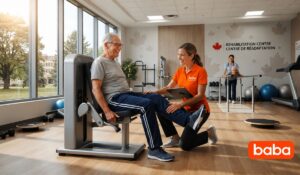
Mobility is closely connected to independence.
A senior who can walk safely, transfer independently, prepare meals, and manage personal care may be able to remain at home longer.
Hospitalization can temporarily reduce these abilities.
The QEII environment includes rehabilitation resources, while the Camp Hill Veterans Memorial Building specifically houses restorative rehabilitation and geriatric outpatient care.
Families should ask whether physiotherapy or occupational therapy is appropriate after hospitalization.
Dartmouth General Hospital
Dartmouth General Hospital is another important hospital serving the Halifax Regional Municipality.
Located at 325 Pleasant Street in Dartmouth, Dartmouth General Hospital provides services to approximately 120,000 people in Dartmouth and surrounding communities. Nova Scotia Health lists it as a hospital with an emergency department and identifies several services specifically relevant to older adults.
For families on the Dartmouth side of the Halifax region, Dartmouth General Hospital can be an important part of the local healthcare system.
Early Mobility Program at Dartmouth General Hospital
One feature that makes Dartmouth General particularly relevant to seniors is its Early Mobility Program.
The program supports hospitalized patients aged 65 and older who may be at risk of losing strength and mobility while in hospital. Patients may be assessed using the Clinical Frailty Scale and can be referred to the mobility program during their hospital stay.
This approach recognizes a major challenge in senior healthcare.
Even when an illness is successfully treated, prolonged inactivity can contribute to weakness and reduced independence.
Encouraging appropriate movement during hospitalization can help support physical function.
Geriatric Navigator in Dartmouth
Dartmouth also has access to a Community Geriatric Navigator connected with Dartmouth General Hospital.
The service provides in home health assessments for frail and elderly people aged 65 and older living in Dartmouth. Assessments may include cognitive testing, mood assessment, mobility assessment, functional abilities, medication compliance, home safety, and community support needs.
This service is valuable because many senior health challenges are easier to understand when professionals can see the person’s living environment.
A home assessment may identify hazards that would not be visible during a hospital appointment.
Supporting Aging in Place
Many older adults want to remain in their own homes for as long as possible.
Aging in place can support independence, familiarity, emotional wellbeing, and quality of life.
However, successful aging in place requires the right support.
The Dartmouth Community Geriatric Navigator can make recommendations regarding community resources that may help seniors remain at home and improve quality of life. Follow up home visits can be based on the person’s abilities and needs.
For families comparing Best Hospitals for Seniors in Halifax, this type of community connection is an important consideration.
Social Work and Discharge Planning
Hospitalization can create challenges that are not strictly medical.
A senior may need assistance with transportation, home care, housing, financial resources, caregiver support, or long term care planning.
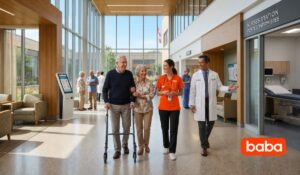
Social workers can help address some of these issues.
At Dartmouth General Hospital, social workers can assist with adjustment to illness, disability, community referrals, and complex discharge needs such as care at home or nursing home planning.
This type of support can make the transition from hospital to home more manageable.
Cardiovascular Care for Seniors
Heart conditions are common among older adults.
Seniors may need evaluation for chest discomfort, heart failure, arrhythmias, hypertension, vascular conditions, or complications associated with cardiovascular disease.
The Halifax Infirmary houses cardiovascular surgery and vascular surgery services within the QEII system.
For patients requiring highly specialized cardiac or vascular treatment, the appropriate pathway may involve referral to the QEII.
Families should always follow the direction of the patient’s healthcare professionals for planned specialist care.
Orthopedic Care and Senior Mobility
Orthopedic problems can significantly affect independence.
Hip fractures, knee problems, spinal conditions, arthritis, and other musculoskeletal issues can make everyday activities difficult.
The Halifax Infirmary provides orthopedic surgery within the QEII system.
For older adults, orthopedic treatment should ideally be connected with rehabilitation.
A successful procedure is only one part of recovery. Seniors may also need physiotherapy, strength training, mobility equipment, home modifications, and assistance with daily activities.
Cancer Care for Older Adults
Cancer treatment can be particularly complex for seniors.
An older adult may have other chronic conditions that influence surgery, medication choices, radiation treatment, nutrition, mobility, or recovery.
The QEII Cancer Centre is located within the Dickson Building at the Victoria General site. The facility houses cancer care services and the James and Edna Claydon radiation treatment centre, along with outpatient clinics.
Families should discuss the patient’s overall health and functional status with the oncology team.
Age alone does not determine whether a senior can receive a particular cancer treatment. Medical history, independence, frailty, preferences, and treatment goals can all be relevant.
Diabetes and Endocrine Health
Diabetes management is another important consideration for older adults.
A senior may experience changes in blood sugar because of illness, diet, reduced activity, medications, or changes in kidney function.
The Victoria Building at the QEII includes the Diabetes Centre among its outpatient services.
For seniors who need ongoing diabetes management, access to specialized outpatient care can complement hospital treatment.
Kidney Disease and Complex Medical Conditions
Chronic kidney disease can require regular monitoring and specialist care.
Older adults with kidney problems may also have cardiovascular disease, diabetes, hypertension, anemia, or medication related concerns.
This is another example of why multidisciplinary healthcare can be important.
When multiple conditions interact, the patient’s treatment plan should take into account the whole person rather than focusing on only one diagnosis.
Rehabilitation After a Hospital Stay
Recovery does not end when a senior leaves the hospital.
Some older adults require weeks or months of rehabilitation.
Physiotherapy may help restore walking and strength.
Occupational therapy may help seniors relearn daily activities.
Social workers may help organize community resources.
Family caregivers may assist with meals, transportation, medication routines, and appointments.
The Camp Hill Veterans Memorial Building houses restorative rehabilitation and geriatric outpatient care within the QEII system.
Dartmouth General also provides access to an Early Mobility Program designed to reduce the loss of strength and mobility among hospitalized older adults.
Transportation Between QEII Sites
The QEII includes multiple buildings and two major sites, so transportation between facilities can be an important practical issue for older patients.
Nova Scotia Health provides a free shuttle between the Victoria General and Halifax Infirmary sites for patients and families who are mobile. The shuttle normally runs Monday through Friday, and the current service information notes that the shuttle is not wheelchair accessible.
Families should therefore consider mobility requirements when planning appointments at different QEII locations.
A senior who uses a wheelchair or has significant mobility limitations may need another transportation arrangement.
Accessibility for Older Adults
Accessibility is an important factor when choosing healthcare facilities.
Seniors may use walkers, wheelchairs, canes, or other mobility aids.
Nova Scotia Health identifies the Halifax Infirmary, QEII, Dartmouth General Hospital, and Camp Hill Veterans Memorial Building among its accessible facilities.
Families should still contact the facility when they have specific accessibility requirements.
Preparing for a Senior’s Hospital Visit
Preparation can make hospital visits less stressful.
Families should consider bringing:
The patient’s health card and identification
A current medication list
Information about allergies
Names of primary healthcare providers
Important medical history
Emergency contact information
Mobility information
Hearing or vision requirements
Information about the senior’s normal cognitive condition
A list of questions for the healthcare team
For patients with dementia or memory concerns, a caregiver can provide valuable information about the patient’s baseline behaviour and daily abilities.
Questions Families Should Ask Healthcare Teams
When a senior is admitted to hospital, caregivers can ask several practical questions.
What is the current diagnosis?
What tests are being performed?
Which medications have changed?
How will mobility be assessed?
Does the patient require physiotherapy?
Is a geriatric assessment appropriate?
What support will be needed after discharge?
What follow up appointments are required?
What symptoms should cause the family to seek urgent assistance?
Clear communication can reduce uncertainty and help families participate appropriately in care planning.
Choosing the Best Hospital for Different Senior Needs
There is no single hospital that is automatically the right choice for every older adult.
For emergency and trauma care, the Halifax Infirmary is a major destination within the QEII system. It provides emergency and trauma services as well as surgical specialties.
For complex specialist and academic healthcare, the broader QEII Health Sciences Centre provides access to numerous hospital and outpatient services.
For geriatric medicine, the Halifax Geriatric Medicine Clinic provides interdisciplinary support for seniors living with frailty, falls, and cognitive concerns.
For restorative rehabilitation and geriatric outpatient care, Camp Hill Veterans Memorial Building is an important resource.
For seniors living in Dartmouth, Dartmouth General Hospital provides emergency care, an Early Mobility Program, social work services, and connections with community geriatric support.
Therefore, families should match the hospital and service to the senior’s specific medical and functional needs.
What Makes a Hospital Senior Friendly?
A senior friendly hospital should consider more than the immediate illness.
Important characteristics include:
Geriatric expertise
Multidisciplinary care
Safe mobility support
Medication review
Cognitive awareness
Family communication
Rehabilitation planning
Discharge coordination
Accessible facilities
Community follow up
These factors can help reduce the risk that a senior will lose independence during or after hospitalization.
The Importance of Comprehensive Geriatric Assessment
Comprehensive geriatric assessment is especially useful for frail older adults.
The approach examines multiple areas of health rather than focusing on a single disease.
Professionals may evaluate mobility, cognition, mood, medications, nutrition, functional abilities, social circumstances, and living arrangements.
The Division of Geriatric Medicine at Dalhousie University identifies comprehensive geriatric assessment and interdisciplinary treatment as central to its care model for frail older adults.
This model is particularly relevant to seniors who have several interacting health concerns.
Supporting Families and Caregivers
Caregivers are an important part of senior healthcare.
A spouse, adult child, friend, or other trusted person may help the senior understand medical information, remember appointments, manage medications, and communicate changes in health.
Caregivers should also communicate their own limitations.
If a senior requires extensive assistance after discharge, the family should be honest about what support they can realistically provide.
Hospital teams may be able to connect families with community services or other resources.
Planning for the Transition Home
A safe discharge plan should begin before the senior leaves hospital.
Families can ask whether the home needs modifications.
For example, a senior may need grab bars, improved lighting, mobility equipment, a walker, a shower chair, or temporary assistance with meals.
Medication routines should also be reviewed.
The senior should know which medications to take and when.
Follow up appointments should be scheduled or clearly explained.
If the senior cannot safely return home independently, the healthcare team should discuss appropriate alternatives and supports.
Final Thoughts: Best Hospitals for Seniors in Halifax
For families searching for Best Hospitals for Seniors in Halifax, the most useful approach is to look at the complete healthcare environment rather than selecting a hospital based on reputation alone.
The QEII Health Sciences Centre is a central part of Halifax’s healthcare system and includes the Halifax Infirmary and Victoria General sites. It provides extensive emergency, surgical, specialist, outpatient, rehabilitation, cancer, and research resources.
The Halifax Infirmary is particularly important for emergency and trauma care, cardiovascular and vascular surgery, orthopedic surgery, general surgery, inpatient treatment, and outpatient services.
The Victoria General site provides important outpatient, rehabilitation, diabetes, cancer, and research resources within the QEII network.
For seniors with frailty, falls, or cognitive concerns, Halifax has dedicated geriatric services through the Geriatric Medicine Clinic. The interdisciplinary team includes nurses, pharmacists, social workers, physiotherapists, and occupational therapists.
Camp Hill Veterans Memorial Building adds restorative rehabilitation and geriatric outpatient care, while Dartmouth General Hospital offers an Early Mobility Program and community connections designed to support older adults.
The connection between Nova Scotia Health and Dalhousie University’s Division of Geriatric Medicine further strengthens the region’s focus on comprehensive geriatric assessment, interdisciplinary treatment, education, and research.
Ultimately, the right hospital depends on the senior’s condition and the type of care required. Emergency symptoms should always be handled through emergency medical services. Complex medical conditions may require a specialized academic hospital. Frailty, falls, memory changes, and loss of independence may require geriatric expertise. Recovery after hospitalization may require rehabilitation and community support.
For older adults in Halifax, good hospital care should not stop at treating the immediate illness. It should also consider mobility, independence, medication safety, cognitive wellbeing, family involvement, rehabilitation, and the transition back to everyday life.
By considering these factors, families can make a more informed decision when looking for Best Hospitals for Seniors and identify the healthcare services that best match the needs of an aging loved one.
Bài viết liên quan: