
Best Hospitals for Seniors in Mississauga. As one of Ontario’s largest and fastest-growing cities, Mississauga offers seniors access to some of Canada’s most respected healthcare institutions. Families searching for the Best Hospitals for Seniors in Mississauga are often looking for more than excellent medical treatment. They want hospitals that provide compassionate care, experienced physicians, modern diagnostic technology, specialized geriatric services, rehabilitation programs, and coordinated support that helps older adults maintain their independence and quality of life. With an aging population and increasing healthcare needs, choosing the right hospital has become an important decision for seniors, caregivers, and families throughout Peel Region.
The search for the Best Hospitals for Seniors in Mississauga involves evaluating several factors, including emergency care, chronic disease management, orthopedic surgery, cardiology, oncology, neurology, rehabilitation, accessibility, patient-centered care, and collaboration with community healthcare providers. Seniors often require comprehensive treatment plans because many live with multiple chronic conditions such as heart disease, diabetes, arthritis, osteoporosis, respiratory illnesses, or cognitive disorders. Hospitals that provide integrated medical services help ensure each patient receives personalized care from multidisciplinary healthcare teams.
Mississauga benefits from an outstanding healthcare network led by Trillium Health Partners, one of the largest community-based hospital systems in Canada. Seniors living in Mississauga also have convenient access to world-renowned hospitals across the Greater Toronto Area, including facilities affiliated with the University of Toronto, Sunnybrook Health Sciences Centre, Toronto General Hospital, Princess Margaret Cancer Centre, Toronto Western Hospital, and St. Michael’s Hospital. Together, these healthcare organizations provide advanced medical expertise covering nearly every specialty required by older adults.
Finding the Best Hospitals for Seniors in Mississauga also means considering hospitals that emphasize preventive care, early diagnosis, patient education, rehabilitation, safe discharge planning, medication management, and caregiver involvement. Older adults often experience complex healthcare needs that require close coordination between specialists, family physicians, physiotherapists, occupational therapists, pharmacists, nurses, dietitians, and social workers. Hospitals that prioritize collaboration help seniors recover faster while reducing hospital readmissions and improving long-term health outcomes.
Whether you are planning future healthcare, searching for specialized treatment, or helping an aging loved one navigate medical care, understanding the Best Hospitals for Seniors in Mississauga can help you make informed decisions with confidence. This comprehensive guide explores leading hospitals, specialized services, rehabilitation programs, and essential factors every family should consider when selecting healthcare for seniors.

Why Senior Healthcare Requires Specialized Hospitals
Older adults experience healthcare differently from younger patients. Aging often affects multiple body systems simultaneously, making diagnosis, treatment, and recovery more complex.
Common health concerns among seniors include:
- Heart disease
- Diabetes
- High blood pressure
- Arthritis
- Osteoporosis
- Stroke
- Dementia
- Parkinson’s disease
- Chronic kidney disease
- Respiratory disorders
- Cancer
Many seniors manage several of these conditions at the same time. Specialized hospitals understand these complexities and coordinate care among multiple medical specialists.
Characteristics of Senior-Friendly Hospitals
Not every hospital provides the same level of support for older adults. The best facilities combine advanced medical expertise with patient-centered care specifically designed for aging populations.
Important characteristics include:
Comprehensive Geriatric Care
Geriatric specialists understand the unique medical challenges associated with aging.
They evaluate:
- Medication safety
- Mobility
- Memory
- Nutrition
- Fall prevention
- Functional independence
- Mental health
- Social support
This comprehensive approach improves both treatment outcomes and quality of life.
Modern Medical Technology
Leading hospitals invest heavily in advanced equipment such as:
- MRI scanners
- CT imaging
- Digital X-rays
- PET scans
- Ultrasound systems
- Cardiac imaging
- Robotic-assisted surgery
Advanced diagnostics help physicians identify health problems earlier and develop more accurate treatment plans.
Coordinated Healthcare Teams
Older adults often receive care from multiple specialists.
Hospitals with integrated care teams include:
- Physicians
- Nurses
- Pharmacists
- Physiotherapists
- Occupational therapists
- Speech-language pathologists
- Dietitians
- Social workers
This collaborative approach ensures every aspect of patient health receives attention.

Credit Valley Hospital
Credit Valley Hospital, part of Trillium Health Partners, is one of the most important hospitals serving Mississauga and surrounding communities.
It provides comprehensive healthcare services including:
- Emergency medicine
- Cardiology
- Cancer care
- Orthopedic surgery
- Diagnostic imaging
- Stroke treatment
- Internal medicine
- Surgical services
- Critical care
Older adults frequently receive treatment for complex chronic diseases while benefiting from coordinated multidisciplinary care.
Credit Valley Hospital is particularly recognized for its cardiovascular services and orthopedic programs, making it an excellent choice for seniors requiring specialized treatment.
Mississauga Hospital
Mississauga Hospital is another major Trillium Health Partners facility providing advanced healthcare to thousands of patients each year.
Key services include:
- Emergency department
- Intensive care
- Cardiology
- General surgery
- Diagnostic imaging
- Laboratory medicine
- Neurology
- Vascular services
Its highly experienced physicians and healthcare professionals work together to provide individualized care plans that address the complex medical needs of aging adults.
Queensway Health Centre
Queensway Health Centre focuses heavily on rehabilitation and continuing care.
Many seniors benefit from services including:
- Rehabilitation
- Complex continuing care
- Physiotherapy
- Occupational therapy
- Outpatient clinics
- Chronic disease management
The centre plays an important role in helping older adults regain independence following illness or surgery.
Sunnybrook Health Sciences Centre
Located in nearby Toronto, Sunnybrook Health Sciences Centre serves many Mississauga residents requiring advanced specialized treatment.
Areas of excellence include:
- Cardiology
- Cancer care
- Orthopedic surgery
- Trauma medicine
- Neurology
- Geriatrics
- High-risk surgery
Sunnybrook combines clinical excellence with extensive medical research, giving patients access to innovative treatments.
Toronto General Hospital
Toronto General Hospital consistently ranks among Canada’s leading academic hospitals.
Specialties include:
- Cardiac surgery
- Organ transplantation
- Internal medicine
- Vascular surgery
- Intensive care
- Advanced imaging
Patients with highly complex medical conditions are frequently referred here from community hospitals throughout Ontario.
Toronto Western Hospital
Toronto Western Hospital is internationally recognized for neurological care.
Senior patients often receive treatment for:
- Parkinson’s disease
- Stroke
- Movement disorders
- Brain surgery
- Spine surgery
- Rehabilitation
Its neurological expertise makes it one of Canada’s premier referral centres.
Princess Margaret Cancer Centre
Cancer treatment requires specialized expertise, especially among older adults.
Princess Margaret Cancer Centre offers:
- Radiation oncology
- Chemotherapy
- Surgical oncology
- Personalized medicine
- Clinical trials
- Supportive cancer care
Comprehensive treatment plans help improve outcomes while maintaining quality of life throughout treatment.
St. Michael’s Hospital
St. Michael’s Hospital provides outstanding care in numerous specialties including:
- Cardiology
- Trauma services
- Diabetes management
- Kidney care
- Internal medicine
- Vascular surgery
Its multidisciplinary approach benefits seniors with complicated medical conditions requiring coordinated treatment.
Mount Sinai Hospital
Mount Sinai Hospital has built a strong reputation for internal medicine and specialized surgical services.
Older adults frequently receive treatment for:
- Digestive disorders
- Kidney disease
- Diabetes
- Endocrine disorders
- Complex surgery
Its patient-centered philosophy emphasizes individualized treatment and collaborative care.
Emergency Services for Older Adults
Medical emergencies become more common as people age.
Leading hospitals provide rapid treatment for:
- Heart attack
- Stroke
- Falls
- Fractures
- Severe infections
- Breathing difficulties
- Internal bleeding
- Sudden confusion
Fast emergency assessment greatly improves recovery outcomes.

Cardiac Care for Seniors
Heart disease remains one of the leading causes of hospitalization among Canadian seniors.
Comprehensive cardiac programs often include:
- Echocardiography
- Stress testing
- Cardiac catheterization
- Heart surgery
- Pacemaker implantation
- Heart failure management
- Cardiac rehabilitation
Early diagnosis and coordinated treatment significantly improve survival rates.
Orthopedic Care
Bone and joint problems become increasingly common with age.
Hospitals serving Mississauga provide treatment for:
- Hip fractures
- Knee replacement
- Hip replacement
- Spine disorders
- Arthritis
- Osteoporosis
- Sports injuries affecting older adults
Rehabilitation following orthopedic procedures helps restore mobility and independence.
Stroke Care
Stroke treatment requires immediate action.
Leading stroke centres provide:
- Rapid imaging
- Neurology consultation
- Clot-busting medication when appropriate
- Intensive monitoring
- Physiotherapy
- Occupational therapy
- Speech-language therapy
Comprehensive stroke rehabilitation helps patients regain daily living skills.
Diagnostic Imaging
Accurate diagnosis depends upon advanced imaging technologies.
Modern hospitals provide:
- MRI
- CT scanning
- Ultrasound
- X-ray
- Nuclear medicine
- PET imaging
- Cardiac imaging
Quick access to diagnostic testing supports earlier intervention and more effective treatment.
Surgical Excellence
Many seniors require surgery later in life.
Common procedures include:
- Joint replacement
- Cardiac surgery
- Cataract surgery
- Cancer surgery
- Hernia repair
- Vascular surgery
- Gallbladder surgery
Hospitals specializing in minimally invasive techniques often reduce recovery times while minimizing complications.
Rehabilitation Services
Successful recovery extends beyond surgery or hospitalization.
Rehabilitation programs may include:
Physiotherapy
Physiotherapists help improve:
- Balance
- Walking
- Strength
- Flexibility
- Mobility
Occupational Therapy
Occupational therapists assist seniors with:
- Dressing
- Bathing
- Meal preparation
- Home safety
- Adaptive equipment
Speech Therapy
Speech-language pathologists help patients recovering from neurological conditions improve communication and swallowing abilities.
Managing Multiple Medical Conditions
Many seniors require coordinated treatment for several chronic illnesses simultaneously.
Hospitals develop integrated care plans that combine expertise from multiple specialties while minimizing medication interactions and improving long-term health outcomes.
This multidisciplinary approach is one of the defining characteristics of the best hospitals serving older adults.
Caregiver Support and Family Involvement
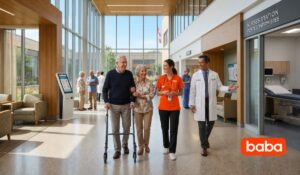
Family caregivers are an essential part of the healthcare journey for many older adults. Whether assisting with transportation, medication management, or emotional support, caregivers help seniors navigate complex medical situations before, during, and after hospitalization.
The Best Hospitals for Seniors recognize the value of family participation and encourage caregivers to become active members of the healthcare team. Physicians, nurses, pharmacists, rehabilitation specialists, and social workers often work together with families to ensure treatment plans are fully understood and properly followed after discharge.
Hospitals serving Mississauga commonly provide caregiver resources such as:
- Family education sessions
- Care planning meetings
- Medication reviews
- Discharge preparation
- Home care referrals
- Community resource information
- Social work consultations
- Follow-up appointment coordination
When caregivers understand the recovery plan, seniors often experience fewer complications and greater confidence during rehabilitation.
Safe Medication Management
Medication safety becomes increasingly important with age. Many seniors take prescriptions from several specialists, increasing the possibility of medication interactions or duplicate therapies.
Hospital pharmacists carefully evaluate every patient’s medication profile by reviewing:
- Prescription medications
- Over-the-counter medications
- Vitamins
- Herbal supplements
- Allergies
- Previous adverse reactions
They also work closely with physicians to adjust dosages based on kidney function, liver health, and age-related physiological changes.
This collaborative approach helps reduce medication errors while improving treatment effectiveness.
Preventing Falls in Hospital
Falls are one of the leading causes of hospitalization among older adults, and preventing additional falls during recovery is a major priority.
Senior-friendly hospitals implement comprehensive fall prevention strategies including:
- Mobility assessments
- Bedside safety evaluations
- Non-slip flooring
- Handrails throughout patient areas
- Proper lighting
- Walking assistance
- Individualized care plans
- Regular nursing supervision
These measures help create a safer environment while encouraging seniors to remain as independent as possible.
Rehabilitation Following Hospitalization
Recovery continues long after discharge. Rehabilitation services help older adults regain mobility, strength, and confidence following surgery, illness, or injury.
Common rehabilitation programs include:
Physiotherapy
Physiotherapists develop personalized exercise programs to improve:
- Walking ability
- Muscle strength
- Flexibility
- Endurance
- Balance
Occupational Therapy
Occupational therapists assist seniors with daily activities including:
- Dressing
- Bathing
- Cooking
- Household tasks
- Home safety modifications
Adaptive equipment recommendations allow many patients to remain safely in their own homes.
Speech and Language Therapy
Neurological conditions such as stroke or Parkinson’s disease may affect communication and swallowing.
Speech-language pathologists provide therapy that helps restore:
- Speech clarity
- Language skills
- Cognitive communication
- Safe swallowing
These services contribute significantly to improved independence and quality of life.
Managing Chronic Diseases
Many older adults require ongoing treatment for chronic illnesses that may never completely resolve but can be successfully managed.
Hospitals coordinate care for conditions including:
- Diabetes
- Heart disease
- Chronic kidney disease
- Arthritis
- Chronic obstructive pulmonary disease
- Osteoporosis
- Hypertension
- Heart failure
Integrated care plans help patients remain healthier while reducing emergency department visits and future hospital admissions.
Mental Health Services
Healthy aging involves both physical and emotional well-being.
Hospitals increasingly provide mental health support for seniors experiencing:
- Depression
- Anxiety
- Dementia
- Delirium
- Memory loss
- Grief
- Social isolation
Psychiatrists, psychologists, geriatric specialists, nurses, and social workers collaborate to provide individualized care that addresses emotional as well as medical needs.
Nutrition During Recovery
Nutrition plays a major role in healing after surgery, illness, or hospitalization.
Hospital dietitians develop meal plans tailored to each patient’s medical condition.
Nutrition services commonly support patients with:
- Diabetes
- Heart disease
- Kidney disease
- Cancer
- Swallowing disorders
- Weight management
- Malnutrition
Healthy eating supports immune function, wound healing, muscle maintenance, and overall recovery.
Diagnostic Technology Supporting Better Care
Modern healthcare relies heavily on advanced diagnostic equipment that allows physicians to identify diseases earlier and more accurately.
Hospitals serving Mississauga utilize technologies such as:
- MRI
- CT scans
- Ultrasound
- Digital radiology
- PET imaging
- Echocardiography
- Cardiac monitoring
- Advanced laboratory testing
Accurate diagnosis allows treatment to begin sooner, improving long-term outcomes for seniors.
Community Healthcare After Discharge
Hospital care is only one part of a senior’s healthcare journey. Many patients continue receiving services after returning home.
Community support may include:
- Home nursing
- Personal support workers
- Physiotherapy
- Occupational therapy
- Medication monitoring
- Nutrition counseling
- Home safety assessments
- Chronic disease education
Hospitals work closely with community healthcare organizations to provide continuity of care and reduce the likelihood of readmission.
Preventive Healthcare for Healthy Aging
Preventive medicine helps seniors maintain better health while reducing the risk of serious illness.
Healthcare providers encourage regular preventive services such as:
- Annual physical examinations
- Blood pressure monitoring
- Diabetes screening
- Cholesterol testing
- Cancer screening
- Vision examinations
- Hearing assessments
- Bone density testing
- Vaccinations
- Medication reviews
Early detection often results in simpler treatment and improved health outcomes.
Accessibility Features That Benefit Seniors
Hospitals designed with accessibility in mind create safer, more comfortable experiences for older adults.
Important accessibility features include:
- Automatic entrance doors
- Wheelchair-accessible pathways
- Elevators
- Accessible parking
- Handrails
- Comfortable seating
- Clear directional signs
- Volunteer assistance
These features reduce stress for both patients and caregivers while improving overall accessibility.
Emergency Preparedness
Families should prepare for unexpected medical emergencies by keeping important health information readily available.
Every senior should maintain:
- Ontario Health Card
- Current medication list
- Allergy information
- Medical history summary
- Emergency contact information
- Family physician details
- Advance care directives when appropriate
Preparation allows emergency healthcare teams to deliver timely and accurate treatment.
The Future of Senior Healthcare in Mississauga
Healthcare continues to evolve with remarkable advances in medicine and technology.
Hospitals serving Mississauga are expanding services through:
- Artificial intelligence-assisted diagnostics
- Telemedicine
- Remote patient monitoring
- Personalized medicine
- Robotic-assisted surgery
- Enhanced rehabilitation technologies
- Digital health records
- Expanded outpatient programs
These innovations improve efficiency while supporting safer, more personalized healthcare experiences for seniors.
Frequently Asked Questions
Which hospital serves most seniors living in Mississauga?
Credit Valley Hospital and Mississauga Hospital, both part of Trillium Health Partners, provide comprehensive medical care for most seniors living throughout Mississauga.
Can seniors receive specialized treatment outside Mississauga?
Yes. Patients are frequently referred to Toronto hospitals such as Sunnybrook Health Sciences Centre, Toronto General Hospital, Princess Margaret Cancer Centre, Toronto Western Hospital, Mount Sinai Hospital, and St. Michael’s Hospital when highly specialized care is required.
Do hospitals provide rehabilitation after surgery?
Yes. Many hospitals offer inpatient rehabilitation or coordinate outpatient rehabilitation programs that include physiotherapy, occupational therapy, and speech-language therapy.
Are caregivers involved during hospitalization?
Absolutely. Hospitals encourage caregivers to participate in treatment planning, discharge preparation, medication education, and follow-up appointments whenever appropriate.
What should seniors bring to the hospital?
Patients should bring:
- Ontario Health Card
- Identification
- Current medications
- Emergency contacts
- Medical history
- Mobility aids if needed
- Glasses
- Hearing aids
- Comfortable clothing
Conclusion
Choosing the Best Hospitals for Seniors in Mississauga involves evaluating much more than location alone. Seniors benefit most from hospitals that combine experienced healthcare professionals, modern medical technology, comprehensive geriatric services, advanced diagnostics, rehabilitation programs, coordinated chronic disease management, and compassionate patient-centered care. Facilities such as Credit Valley Hospital, Mississauga Hospital, Queensway Health Centre, along with leading referral hospitals across the Greater Toronto Area, provide access to exceptional healthcare services that support older adults throughout every stage of treatment and recovery.
As Mississauga’s senior population continues to grow, hospitals are expanding their focus on integrated care, preventive medicine, rehabilitation, digital health technologies, and community partnerships. These advancements allow older adults to receive more personalized treatment while maintaining greater independence and quality of life. Whether seeking emergency care, specialized surgery, cancer treatment, cardiac services, neurological expertise, or rehabilitation following hospitalization, families can feel confident knowing that the Best Hospitals for Seniors in Mississauga are committed to delivering safe, compassionate, and high-quality healthcare that meets the evolving needs of Canada’s aging population.
Bài viết liên quan: